
Águas Claras
Explore stays
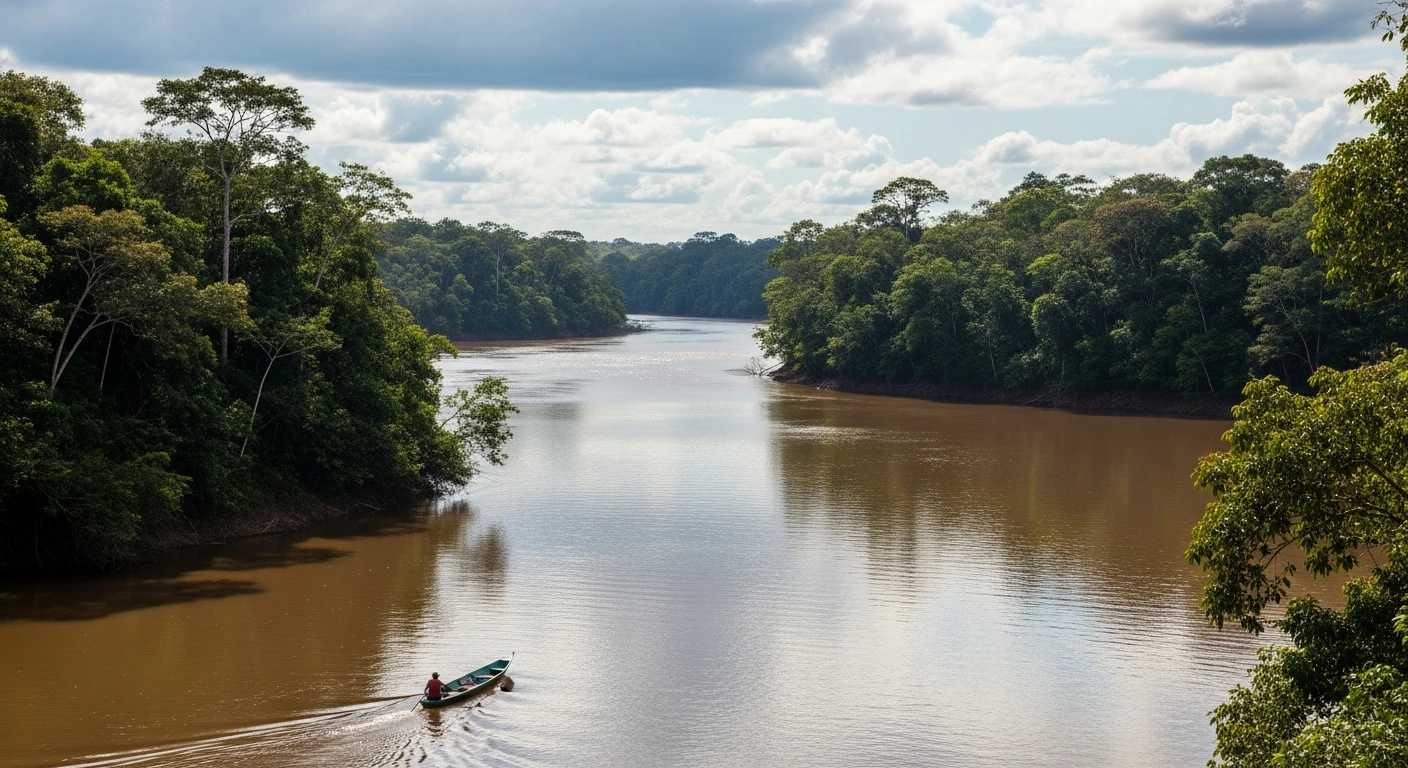
Amapá, a state in northern Brazil, is a region rich in history and natural beauty. Nestled between the Amazon River and the Atlantic Ocean, Amapá offers a unique blend of lush rainforests, sprawling savannas, and coastal landscapes. Historically, Amapá has been a site of cultural convergence, with influences from indigenous tribes, European colonizers, and African communities, each leaving a lasting impact on the region's cultural tapestry.
The capital city, Macapá, is famously known as the city that straddles the equator, with the Marco Zero monument marking this geographic wonder. The vibe here is laid-back and welcoming, with locals known for their warm hospitality and vibrant traditions. The state's economy is largely driven by mining, agriculture, and fishing, but tourism is gradually gaining momentum as more travelers discover its untouched beauty.
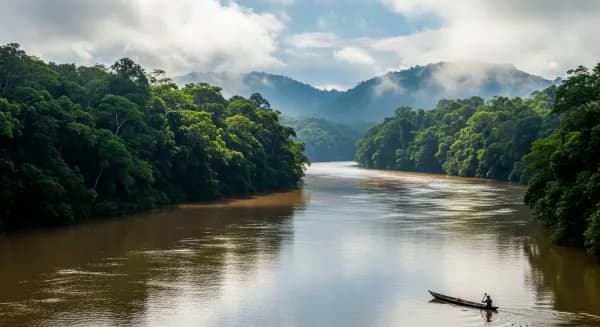
Amapá's untouched rainforests are home to diverse wildlife, including jaguars, giant otters, and numerous bird species. The state is also a gateway to the Amazon rainforest, offering an authentic experience of Brazil's natural wonders. Visitors can explore the region's rich biodiversity, engage with local communities, and immerse themselves in the captivating stories of Amapá's past.
When visiting Amapá, travelers will find a range of accommodation options to suit different budgets. In Macapá, luxury seekers can indulge in upscale hotels like the Hotel do Forte, which offers stunning views of the Amazon River and top-notch amenities. For those on a budget, there are numerous guesthouses and hostels, such as the Pousada Estrela, providing comfortable and affordable stays with a touch of local charm.
For a more immersive experience, consider staying in eco-lodges located near the rainforest. These lodges, such as the Fazenda São Francisco, offer a unique opportunity to connect with nature while enjoying modern comforts. Staying in these areas allows travelers to explore the surrounding natural beauty and engage in activities like bird watching and guided jungle tours.
Getting around Amapá like a local involves a mix of transportation modes. In Macapá, buses are the most common and affordable way to navigate the city. They connect major neighborhoods and tourist areas, making it easy to explore the capital. Taxis and ride-sharing services are also available for more convenient travel.
For those venturing into the Amazon or remote areas, boats are a primary means of transportation. River travel is an integral part of life in this region, offering a unique perspective on the landscape. Additionally, renting a car can be an option for those looking to explore the state at their own pace, though it's essential to be mindful of road conditions, especially during the rainy season.
Amapá is a treasure trove of hidden gems waiting to be explored. One must-visit destination is the Tumucumaque Mountains National Park, the largest tropical forest park in the world. This pristine wilderness offers a chance to witness untouched nature, with opportunities for hiking and wildlife spotting.
Another off-the-beaten-path excursion is a visit to the Maracá-Jipioca Ecological Station, a protected area that boasts diverse ecosystems, including mangroves, forests, and savannas. It's an ideal spot for birdwatchers and nature enthusiasts. For a cultural experience, head to the town of Mazagão Velho, where you can learn about the region's colonial history and participate in local festivals.
The best time to visit Amapá, Brazil, is during the dry season, which runs from July to December. During these months, the weather is more predictable, with less rainfall and pleasant temperatures, making it ideal for outdoor activities and exploration.
The rainy season, from January to June, brings heavy downpours and high humidity, which can make travel challenging. However, this period also offers a unique opportunity to experience the lushness of the rainforest in full bloom. Travelers should plan their visit based on their interests and preferred activities.
Amapá experiences a tropical rainforest climate, with warm temperatures year-round. January and February are the wettest months, with frequent rain showers and high humidity. March to June sees a gradual decrease in rainfall, but the humidity remains high.
From July to December, the weather becomes drier and more comfortable, with temperatures ranging from 24°C to 32°C (75°F to 90°F). This period is perfect for exploring the outdoors and enjoying the natural beauty of Amapá, Brazil.
Amapá's culture is a vibrant blend of indigenous, African, and European influences. The state is home to several indigenous groups, each with its own unique traditions and languages. Festivals play a significant role in Amapá's cultural landscape, with events like the Marabaixo Festival celebrating African heritage through music, dance, and rituals.
The people of Amapá are known for their friendly and welcoming nature. Visitors are encouraged to engage with locals, learn about their customs, and participate in community events. Understanding local etiquette, such as greeting with a handshake and using polite expressions, enhances the travel experience in Brazil.
Amapá's culinary scene is a delightful fusion of flavors and ingredients. One must-try dish is 'tacacá,' a traditional Amazonian soup made with jambu leaves, tucupi broth, and shrimp. This dish offers a unique taste experience that reflects the region's indigenous roots.
Another local favorite is 'açaí,' a superfood berry that is often served as a refreshing smoothie or bowl. The açaí from Amapá is renowned for its rich flavor and nutritional value. Visitors should also sample 'pato no tucupi,' a duck dish cooked in a flavorful tucupi sauce, showcasing the diverse culinary heritage of Brazil.
Amapá, Brazil, offers a variety of attractions that showcase its natural and cultural richness. The Marco Zero Monument in Macapá is a must-visit landmark. This unique structure marks the equator line, allowing visitors to stand in both the Northern and Southern Hemispheres simultaneously.
Fortress of São José de Macapá is another historical site worth exploring. Built in the 18th century, this fortress played a crucial role in protecting the region from foreign invasions. Its impressive architecture and strategic location offer a glimpse into Brazil's colonial past.
The Amazonian Botanical Garden is a haven for nature lovers, featuring a vast collection of native plant species. Visitors can take guided tours to learn about the region's flora and conservation efforts. For wildlife enthusiasts, the Araguari River is a prime spot for spotting river dolphins and exploring the Amazon's diverse ecosystems.
Lastly, the Oiapoque River, located at the border with French Guiana, offers a unique opportunity to experience the cultural exchange between Brazil and its neighboring country. Travelers can explore the vibrant markets and enjoy a boat ride along the river.
Nearby places worth adding to your itinerary.
Top stays in Amapá picked for comfort, value, and great guest reviews.