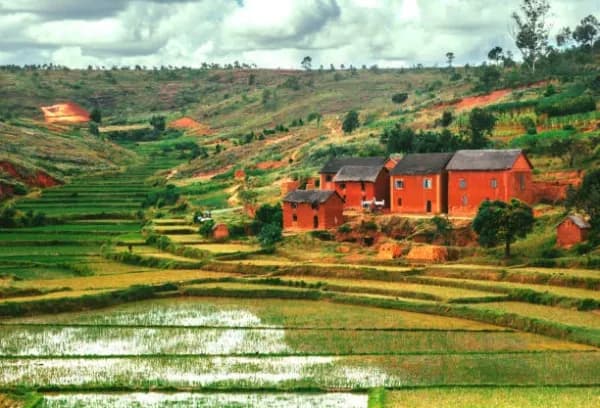
Ambatolahy
Explore stays
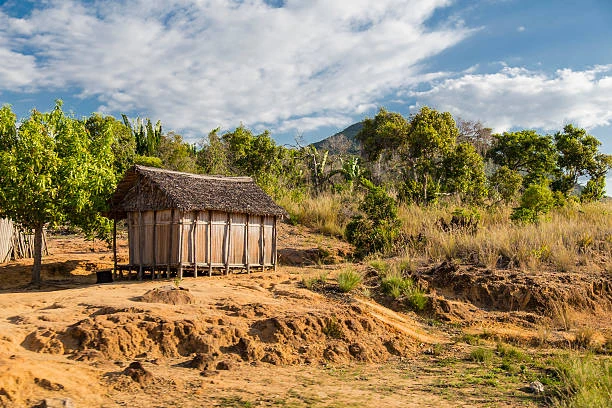
Ampangorinana, nestled on the eastern coast of Madagascar, is a small yet enchanting village that offers an authentic glimpse into the island's rich tapestry of cultures and natural wonders. Historically, this region was influenced by the arrival of the first settlers, primarily from Southeast Asia, leading to a unique blend of customs, languages, and traditions that define the local community today. The village serves as a gateway to explore Madagascar’s biodiversity, particularly the lush rainforests that house some of the world's most unique flora and fauna.
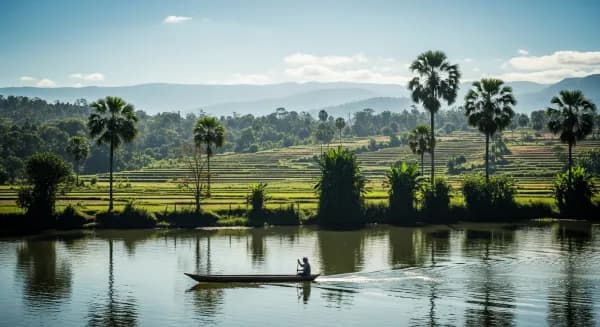
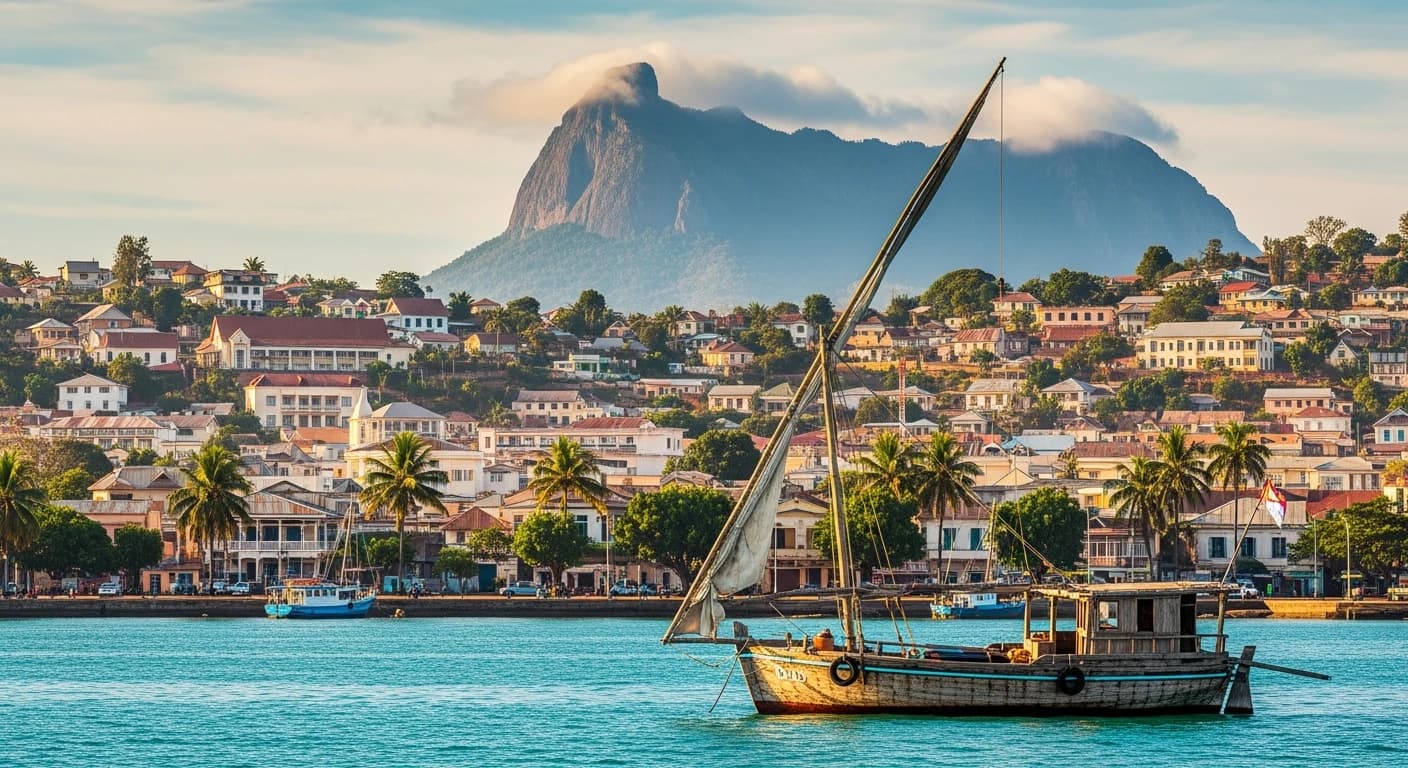
Geographically, Ampangorinana is located near the Indian Ocean, surrounded by verdant hills and diverse ecosystems. The village's vibe is a harmonious mix of tranquility and vibrancy; the gentle sounds of nature blend with the lively chatter of locals engaging in daily activities. This serene environment attracts not only adventurous travelers but also those seeking a peaceful retreat away from the hustle and bustle of modern life.
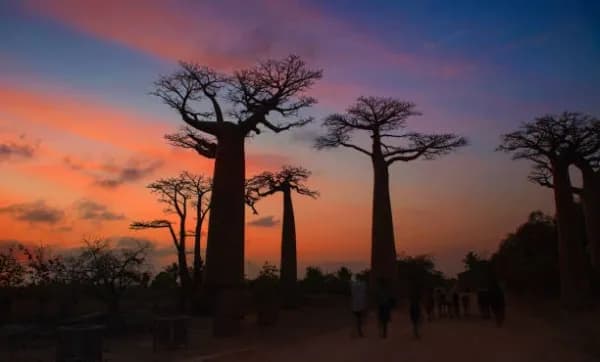
As the sun sets, Ampangorinana transforms into a canvas of vibrant colors, with locals coming together to celebrate their heritage through music and dance. This picturesque village serves as an ideal base for exploring Madagascar's unique landscapes, making it a must-visit destination for any intrepid traveler.
When it comes to accommodations in Ampangorinana, travelers can choose from a variety of options that cater to different budgets and preferences. For those seeking luxury, there are a few boutique lodges that offer exceptional service, stunning views, and amenities such as private balconies and gourmet dining experiences. These lodges are often situated near the coastline, providing guests with direct access to the beautiful beaches and breathtaking sunrises.
On the other hand, budget travelers will find a range of guesthouses and hostels that offer a more rustic experience. These affordable options allow visitors to immerse themselves in the local culture while providing basic comforts. Staying in these budget accommodations often means sharing stories with fellow travelers and locals, which adds to the richness of the experience. Regardless of the choice, each accommodation option provides a unique perspective on life in this charming village.
Navigating Ampangorinana like a local can be an adventure in itself. The primary mode of transportation is by foot; the village is compact, making it easy to explore on foot while soaking in the stunning surroundings. For longer distances, travelers can opt for ‘taxi-brousse,’ shared minibuses that connect Ampangorinana to nearby towns and cities. This mode of transport is not only economical but also offers a chance to interact with locals, as these rides are often filled with lively conversations and laughter.
Ampangorinana serves as a perfect launching point for discovering nearby hidden gems. One of the most notable excursions is a trek to the Andasibe-Mantadia National Park, where visitors can witness the famous Indri lemurs in their natural habitat. Another must-see is the picturesque beach of Nosy Mangabe, an uninhabited island known for its pristine sands and crystal-clear waters.
For those interested in cultural experiences, the nearby village of Andasibe offers guided tours that showcase the rich traditions and crafts of the local Betsimisaraka people. Exploring the local markets is also a delightful way to experience the vibrant culture and purchase handmade souvenirs. The surrounding landscapes are dotted with waterfalls, lush forests, and unique wildlife, making every excursion an unforgettable adventure.
The best time to visit Ampangorinana is during the dry season, which typically runs from April to October. This period offers pleasant weather, ideal for outdoor activities and exploration. The months of July and August are particularly popular due to the cool temperatures and low humidity, making it comfortable for hiking and wildlife spotting. However, travelers should note that the rainy season, from November to March, can lead to muddy trails and potential flooding, which may limit access to some areas.
Ampangorinana experiences a tropical climate, characterized by distinct wet and dry seasons. In January, temperatures average around 28°C (82°F), with heavy rainfall, making it one of the wettest months. As the year progresses into March, the temperatures remain high, but the rainfall starts to decrease.
By April, the weather begins to cool slightly, with average temperatures dropping to around 25°C (77°F). The dry season from May to October brings pleasant temperatures, ranging from 20°C (68°F) to 25°C (77°F), making it ideal for outdoor activities. November marks the beginning of the rainy season again, with increased humidity and temperatures rising back to around 28°C (82°F).
The culture of Ampangorinana is a vibrant tapestry woven from the threads of various ethnic groups, primarily the Betsimisaraka. Festivals play a crucial role in the community, with the most significant being the 'Famadihana,' or the turning of the bones, a traditional Malagasy ritual where families honor their ancestors. This event is marked by music, dancing, and feasting, showcasing the deep respect that locals have for their heritage.
Interactions with the locals require a certain level of etiquette. Greetings are important, and a simple handshake often accompanied by a smile goes a long way. It’s customary to ask about someone's health and family before diving into conversation, reflecting the community’s values of respect and connection. Visitors are often welcomed with open arms, and participating in local customs can lead to enriching experiences that deepen one’s understanding of Malagasy culture.
The culinary scene in Ampangorinana is a delightful reflection of Madagascar's diverse culture. Must-try dishes include 'Romazava,' a hearty beef stew made with greens, and 'Ravitoto,' a traditional dish made from crushed cassava leaves. Rice is a staple in every meal, often served with various accompaniments, including zebu meat and fresh seafood, reflecting the island's geographical bounty.
Street food also plays a significant role in the local culinary landscape. Travelers can indulge in 'Mofo Gasy,' a Malagasy rice flour cake, and grilled skewers of zebu, which are popular snacks among locals. The culinary history of Madagascar is rich, with influences from African, Asian, and European cuisines, making every meal an exploration of the island's cultural heritage.
Ampangorinana is surrounded by an array of attractions that showcase the beauty and biodiversity of Madagascar. Here are the top five landmarks worth visiting:
This park is a UNESCO World Heritage site renowned for its rich biodiversity, including various species of lemurs, reptiles, and birds. The park’s lush rainforest offers numerous hiking trails that cater to all levels of fitness, making it a top destination for nature enthusiasts.
A unique eco-lodge that provides visitors with the opportunity to interact with lemurs up close. The lodge is surrounded by beautiful gardens and offers various activities such as canoeing and horseback riding.
Located near the Vakona Forest Lodge, Lemur Island is a sanctuary for rescued lemurs. Visitors can enjoy guided tours that allow them to observe and interact with these fascinating creatures in a safe environment.
This reserve is known for its rare Indri lemurs and offers guided night walks, providing a chance to observe nocturnal wildlife and experience the sounds of the jungle after dark.
This small island is a protected area known for its beautiful beaches and unique biodiversity. It serves as a great spot for snorkeling and exploring the vibrant marine life of Madagascar.
Each of these attractions highlights the natural beauty and cultural richness of Madagascar, making Ampangorinana an ideal base for exploration.
Nearby places worth adding to your itinerary.
Top stays in Ampangorinana picked for comfort, value, and great guest reviews.