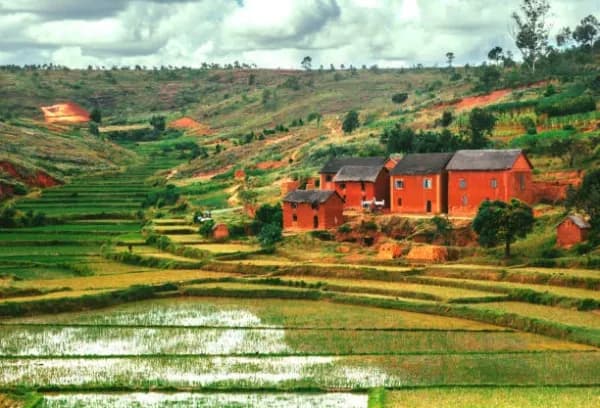
Ambatolahy
Explore stays
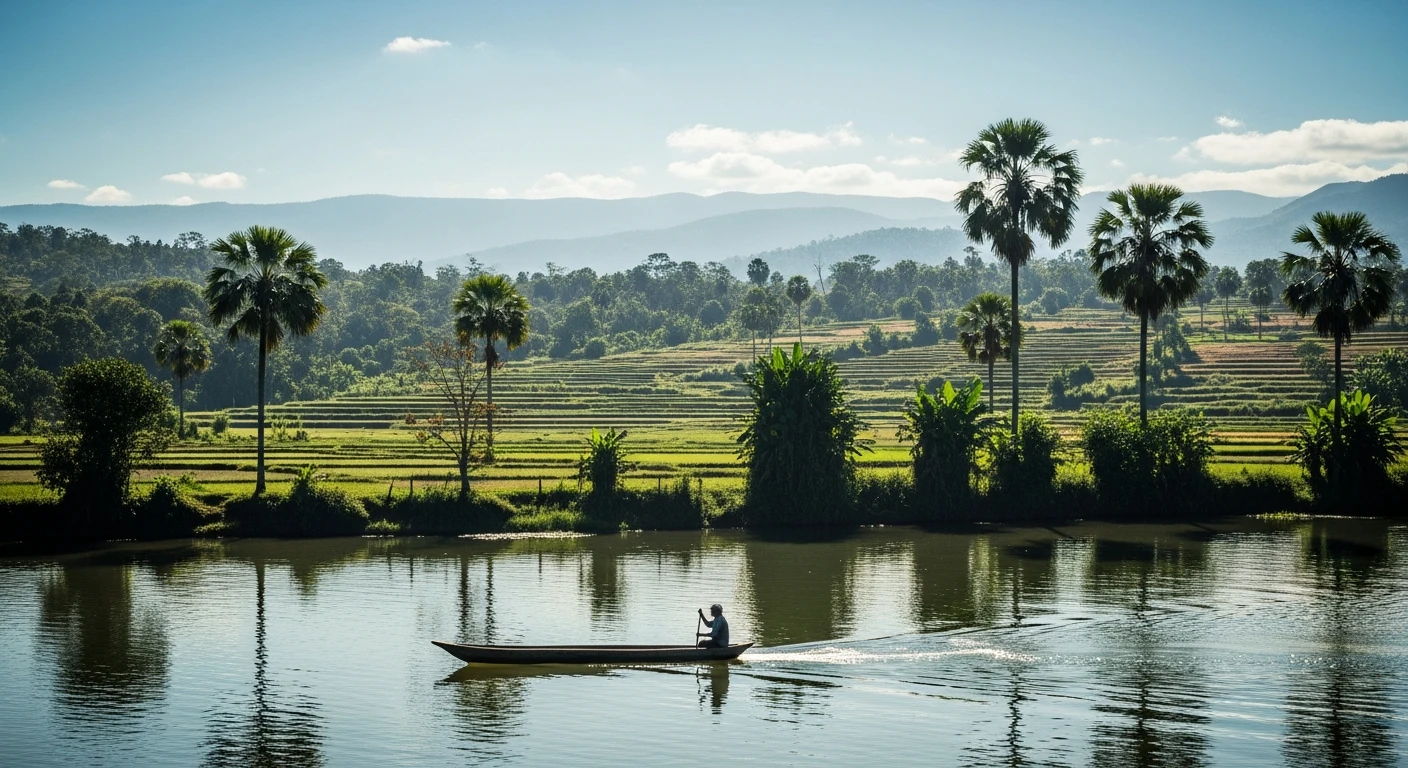
Analanjirofo, a captivating region on the northeastern coast of Madagascar, is a treasure trove of natural beauty and cultural richness. The name 'Analanjirofo' translates to 'forest of cloves,' a nod to the region's historical significance as a major clove producer. This lush area is characterized by its dense rainforests, stunning coastlines, and the iconic vanilla plantations that have been the backbone of its economy for centuries.
Historically, Analanjirofo has been a melting pot of cultures. The region's strategic location along the Indian Ocean made it a hub for trade and cultural exchange. Over the years, it has seen the influence of Arab traders, European colonizers, and African settlers, each leaving an indelible mark on its cultural tapestry. Today, Analanjirofo is known for its vibrant communities, where traditional Malagasy customs blend seamlessly with modern influences.
The vibe of Analanjirofo is one of serene adventure. It's a place where the rhythm of life is dictated by the tides and the seasons, offering a perfect escape for those looking to reconnect with nature and experience authentic Malagasy culture. Whether you're exploring the bustling markets of Fenoarivo Atsinanana or trekking through the verdant landscapes of Masoala National Park, Analanjirofo promises an unforgettable journey.
When visiting Analanjirofo, accommodation options range from luxurious resorts to budget-friendly guesthouses, each offering a unique way to experience the region. For those seeking luxury, the coastal town of Sainte Marie is home to several high-end resorts that offer stunning ocean views, private beaches, and world-class amenities. These resorts provide a perfect base for exploring the island's pristine beauty while enjoying the comforts of modern hospitality.
For budget travelers, the towns of Maroantsetra and Mananara Nord offer a variety of affordable guesthouses and lodges. These accommodations provide a more rustic experience, often set amidst lush gardens or along the banks of tranquil rivers. Staying in these areas allows visitors to immerse themselves in local life and enjoy the warm hospitality of the Malagasy people.
Getting around Analanjirofo can be an adventure in itself. The region's rugged terrain and limited infrastructure mean that transportation options are varied and often unconventional. The most common mode of transport is the taxi-brousse, a shared minibus that connects major towns and villages. While these can be crowded and slow, they offer a unique opportunity to travel like a local and witness daily life in Madagascar.
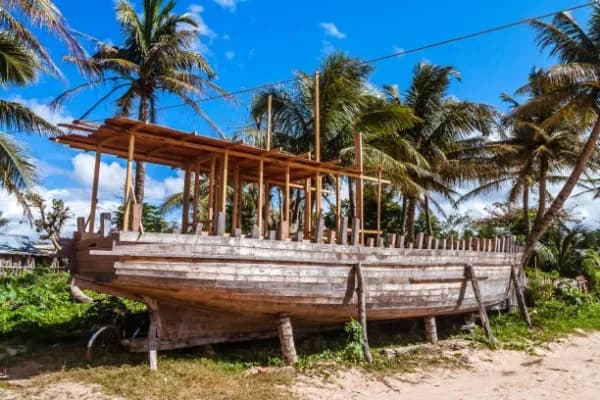
For those looking to explore remote areas, hiring a 4x4 vehicle is recommended. This allows for greater flexibility and the ability to reach off-the-beaten-path destinations. In coastal areas, traditional pirogues or motorboats are often used to navigate the waterways and reach secluded beaches or islands.
Analanjirofo is a gateway to some of Madagascar's most enchanting natural wonders. A must-visit is the Masoala National Park, a UNESCO World Heritage site renowned for its biodiversity. Here, visitors can embark on guided treks through lush rainforests, spot rare wildlife, and explore pristine coral reefs.
Another hidden gem is the Nosy Mangabe Special Reserve, an island sanctuary that offers a glimpse into Madagascar's unique flora and fauna. Known for its lemur populations and rare amphibians, Nosy Mangabe is a paradise for nature enthusiasts and researchers alike.
The best time to visit Analanjirofo is during the dry season, which runs from May to October. This period offers pleasant weather and is ideal for outdoor activities such as hiking and wildlife viewing. The cooler temperatures and lower humidity make exploring the region's natural attractions more enjoyable.
From November to April, the region experiences its wet season, characterized by heavy rains and occasional cyclones. While this time of year sees fewer tourists, the lush landscapes and vibrant greenery can be appealing to those who don't mind braving the elements.
Analanjirofo's climate is tropical, with distinct wet and dry seasons. January and February are the wettest months, with frequent rain showers and high humidity. March and April see a gradual decrease in rainfall, leading into the dry season.
May through September offer the most favorable weather, with cooler temperatures and minimal rainfall. October and November mark the transition back to the wet season, with increasing humidity and occasional storms.
Analanjirofo is a cultural mosaic, where diverse traditions and customs coexist harmoniously. The region is home to several ethnic groups, including the Betsimisaraka and the Antemoro, each with their own unique heritage and practices.
Festivals play a significant role in the cultural life of Analanjirofo. One of the most celebrated events is the Sambatra, a traditional circumcision ceremony that occurs every seven years. This vibrant festival brings communities together in a celebration of life and continuity, featuring music, dance, and feasting.
Visitors to Analanjirofo are encouraged to respect local customs and etiquette. Greetings are important, and a simple 'Salama' (hello) goes a long way in establishing goodwill. Visitors should also be mindful of local dress codes and traditions, especially when visiting rural areas or participating in cultural events.
Madagascar's culinary scene is as diverse as its landscapes, and Analanjirofo is no exception. The region's cuisine is heavily influenced by its coastal location and agricultural heritage. Seafood is a staple, with dishes featuring fresh fish, prawns, and crab commonly found on local menus.
One must-try dish is 'Ravitoto,' a traditional Malagasy stew made from cassava leaves and pork. Another local favorite is 'Romazava,' a hearty meat and greens stew that is often considered Madagascar's national dish. Vanilla, one of the region's most famous exports, is used to flavor everything from desserts to savory dishes, adding a unique twist to local cuisine.
Analanjirofo boasts a wealth of attractions that showcase its natural beauty and cultural heritage. The Ile Sainte Marie, or Nosy Boraha, is a popular destination known for its idyllic beaches and historical sites. Once a haven for pirates, the island is home to several pirate graves and the charming town of Ambodifotatra, where visitors can explore colonial architecture and vibrant markets.
The Maroantsetra region offers access to the Masoala National Park, a biodiversity hotspot that is home to unique species such as the red-ruffed lemur and the elusive aye-aye. The park's diverse ecosystems include rainforests, mangroves, and coral reefs, making it a paradise for nature lovers.
Another notable attraction is the Fenerive Est, a coastal town known for its lively markets and traditional Malagasy architecture. Visitors can explore the bustling streets, sample local delicacies, and purchase handmade crafts and souvenirs.
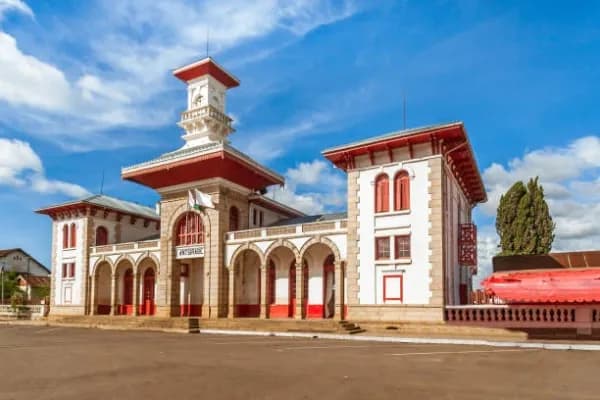
For those interested in history, the town of Mananara Nord offers a glimpse into Madagascar's colonial past. The area is dotted with historical sites, including old plantations and colonial buildings, that tell the story of the region's complex history.
Nearby places worth adding to your itinerary.
Top stays in Analanjirofo picked for comfort, value, and great guest reviews.