
Apartadó
Explore stays
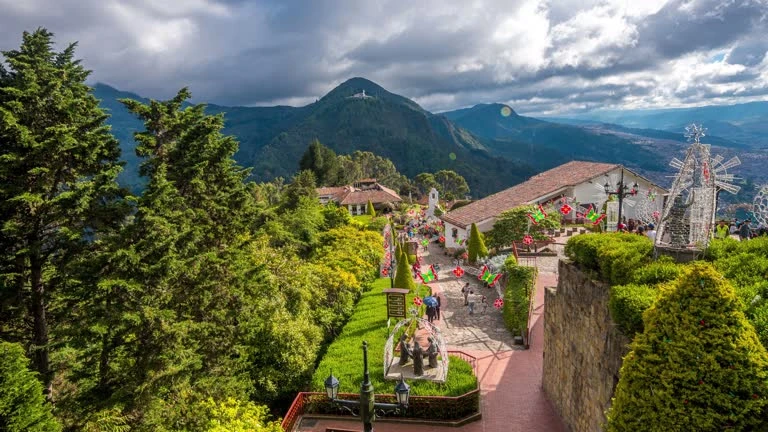
The Andes Mountains stretch along the western edge of South America. They run through seven countries: Venezuela, Colombia, Ecuador, Peru, Bolivia, Chile, and Argentina. This stunning mountain range is the longest in the world, extending over 4,300 miles (7,000 kilometers). The Andes are known for their diverse landscapes, rich culture, and unique wildlife. They offer breathtaking views and a variety of outdoor activities for tourists.
Traveling through the Andes is relatively easy, thanks to various transport options.
By Car: Major highways connect many cities in the Andes. Renting a car allows flexibility to explore remote areas.
By Bus: Long-distance buses operate between cities in the Andes. This is a budget-friendly way to travel and enjoy the scenery.
The Andes are accessible from major international airports in nearby cities.
Ecuador: Quito's Mariscal Sucre International Airport is a gateway to the central Andes.
Peru: Jorge Chávez International Airport in Lima offers access to the Andes and popular destinations like Cusco.
Chile: Santiago International Airport is the main hub for those traveling to the southern Andes.
The Andes are near many major cities:
Quito, Ecuador: A great starting point for exploring the northern Andes, just a few hours away from the mountains.
Cusco, Peru: The historic capital of the Inca Empire and the gateway to Machu Picchu, located in the central Andes.
La Paz, Bolivia: The highest capital city in the world, situated near the central Andes.
The Andes offer a wide range of attractions and activities for every type of traveler.
One of the most famous sites in the Andes, Machu Picchu is an ancient Inca city perched high in the mountains. Visitors can:
Hike the Inca Trail: A multi-day trek leading to the iconic ruins. The trail offers stunning views of the landscape and the chance to see diverse wildlife.
Explore the Ruins: Discover the fascinating history and architecture of this UNESCO World Heritage site.
Lake Titicaca is the highest navigable lake in the world. It straddles the border between Bolivia and Peru. Things to do include:
Boat Tours: Explore the lake's islands, including the famous Uros floating islands made of reeds.
Cultural Experiences: Visit local communities to learn about their traditions and crafts.
Colca Canyon is one of the deepest canyons in the world. It is twice as deep as the Grand Canyon. Visitors can enjoy:
Trekking: Hike through stunning landscapes, spotting Andean condors along the way.
Hot Springs: Relax in natural hot springs after a day of hiking.
Located in Patagonia, this park is known for its dramatic mountains and glaciers. Activities include:
Hiking: Explore various trails, from easy walks to challenging treks. The "W" trek is especially popular.
Wildlife Watching: Spot guanacos, foxes, and a variety of birds in their natural habitat.
The capital city of Ecuador offers a mix of history and culture. Highlights include:
Historic Center: A UNESCO World Heritage site filled with colonial architecture, churches, and plazas.
TelefériQo: A cable car that takes you high up the Pichincha Volcano for panoramic views of the city and surrounding mountains.
Aconcagua is the highest mountain in the Andes and the Americas. It attracts climbers from around the world. Activities include:
Climbing: Experienced climbers can attempt the summit.
Trekking: There are scenic trails around the base for hikers of all levels.
The Andes offer diverse culinary experiences that reflect local cultures.
Peru is known for its delicious food. Must-try dishes include:
Ceviche: Fresh fish marinated in lime juice, served with onions and chili peppers.
Lomo Saltado: Stir-fried beef with vegetables, served with rice and fries.
Ecuador's food is influenced by its diverse geography. Popular dishes include:
Cuy: Roasted guinea pig, a traditional delicacy in the Andes.
Locro de Papa: A hearty potato soup topped with avocado and cheese.
Bolivia's cuisine features unique ingredients. Dishes to try:
Salteñas: Baked empanadas filled with meat, potatoes, and spices.
Pique Macho: A mixed plate of beef, sausage, and potatoes, topped with peppers and boiled eggs.
Chilean food is influenced by its coastal location and mountain regions. Popular dishes include:
Pastel de Choclo: A corn pie with meat, olives, and hard-boiled eggs.
Asado: A traditional barbecue featuring various meats cooked on an open flame.
In the Andes, public transport options vary by country and region.
Long-distance buses connect many cities in the Andes. They are comfortable and affordable, making them a popular choice for travelers.
In larger cities, taxis and rideshare services like Uber are widely available. They are convenient for short trips and airport transfers.
Local buses operate in towns and cities, providing an economical way to get around. Be sure to check the routes and schedules.
Some areas in the Andes have scenic train routes. For example, the train from Cusco to Machu Picchu offers breathtaking views of the landscape.
The Andes offer many unique features that make it a must-visit destination.
From towering peaks to lush valleys, the Andes are filled with breathtaking landscapes. Each region offers unique scenery, from deserts to forests.
The Andes are home to diverse indigenous cultures with rich traditions. Visitors can learn about their customs, crafts, and languages.
The Andes are a paradise for outdoor enthusiasts. Hiking, climbing, and wildlife watching are just a few activities available.
The local food reflects the rich diversity of the region. Each country has its specialties, providing a culinary adventure for travelers.
With ancient ruins like Machu Picchu and colonial cities like Quito, the Andes offer a wealth of history to explore.
The best time to visit the Andes varies by region:
Dry Season: Generally, May to September is the dry season for many areas, making it ideal for trekking.
Wet Season: From November to March, some regions experience rain, but it's also when the landscape is lush and green.
When visiting the Andes, consider packing:
Layered Clothing: Temperatures can vary widely, so wear layers to adjust to changing weather.
Hiking Gear: Sturdy shoes and a good backpack are essential for exploring the mountains.
Sun Protection: Sunscreen, hats, and sunglasses are necessary due to high altitudes and strong sun.
Traveling in the Andes can be safe, but consider these tips:
Stay Hydrated: The high altitude can lead to dehydration. Drink plenty of water.
Acclimatize: If you are hiking at high elevations, take time to acclimatize to avoid altitude sickness.
Follow Local Guidelines: Respect the environment and local cultures.
Nearby places worth adding to your itinerary.
Local guide picks to help you explore Andes better.