Antofagasta
Explore stays
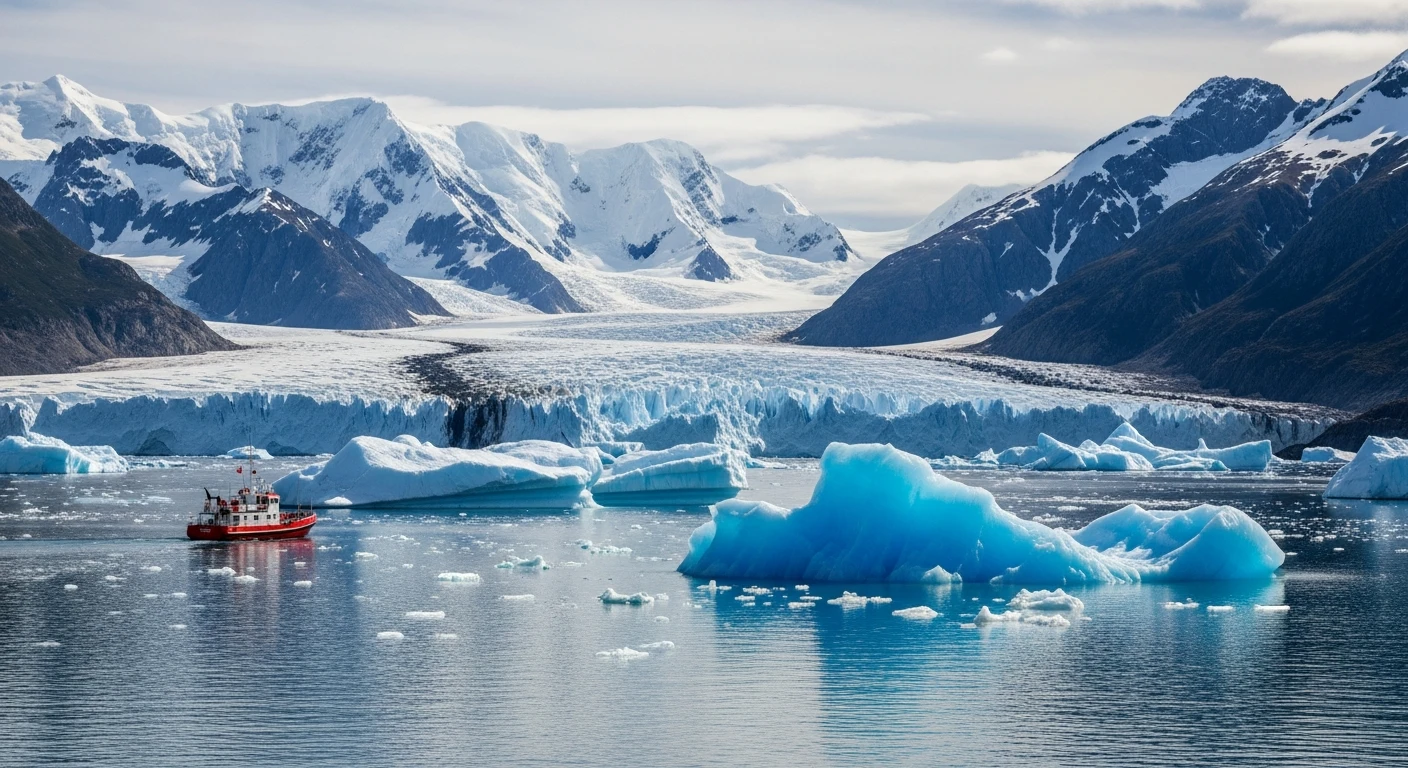
Antártica Chilena, the southernmost region of Chile, is a land of breathtaking extremes and unparalleled natural beauty. This remote area, part of the larger Antarctic Peninsula, is a territory claimed by Chile and is characterized by its vast ice fields, towering glaciers, and unique wildlife. The history of Antártica Chilena is intertwined with tales of exploration and adventure. Early explorers like Sir Ernest Shackleton and Roald Amundsen braved these icy waters, drawn by the allure of the unknown and the promise of scientific discovery.
Geographically, Antártica Chilena is a vast expanse of ice and snow, covering approximately 1.25 million square kilometers. It forms part of the Antarctic continent and is bordered by the Bellingshausen Sea to the west and the Weddell Sea to the east. The region is known for its dramatic landscapes, including the imposing peaks of the Ellsworth Mountains and the expansive ice shelves that stretch towards the horizon.
The vibe in Antártica Chilena is one of awe-inspiring solitude. Visitors are often struck by the sheer scale and silence of the environment, where the only sounds are the crackling of ice and the distant calls of seabirds. This is a place where nature reigns supreme, and human presence is a fleeting anomaly. The region is a haven for scientists and adventurers alike, offering a rare glimpse into the planet's most pristine and untouched landscapes.
Accommodation in Antártica Chilena is limited and primarily geared towards researchers and expedition teams. However, for adventurous travelers, there are a few options to consider. Most visitors stay aboard expedition ships that offer comfortable cabins and amenities while cruising the icy waters. These ships provide a unique vantage point to explore the region's natural wonders.
For those seeking a more immersive experience, there are luxury camps such as the Union Glacier Camp, which offer heated tents and gourmet meals amidst the stark beauty of the Antarctic landscape. Budget travelers might consider joining organized tours that include accommodation as part of the package, ensuring a safe and memorable journey.
Staying in Antártica Chilena is not about luxury in the traditional sense but rather about the luxury of experiencing one of the world's last frontiers. Whether you choose a cruise or a camp, the focus is on connecting with the environment and embracing the spirit of exploration that defines this remarkable region of Chile.
Navigating Antártica Chilena requires careful planning and a sense of adventure. The primary mode of transportation is by ship, with expedition cruises being the most popular choice for visitors. These ships are equipped to handle the icy waters and provide access to remote areas that are otherwise inaccessible.
For those traveling on land, snowmobiles and specialized vehicles are used to traverse the icy terrain. Helicopter tours are also available, offering a bird's-eye view of the stunning landscapes below. It's important to travel with experienced guides who are familiar with the region's unique challenges and can ensure a safe and enriching experience.
While the transportation options may be limited, they are designed to maximize the opportunity to explore and appreciate the unparalleled beauty of Chile's Antarctic territory.
Antártica Chilena offers a range of excursions that allow visitors to delve into its hidden gems. One of the most popular activities is visiting the penguin colonies on the South Shetland Islands. Here, you can observe thousands of penguins in their natural habitat, a truly unforgettable experience.
Another must-do excursion is a visit to the Larsen Ice Shelf, a massive expanse of ice that is both awe-inspiring and humbling. The ice shelf is a dynamic environment, with icebergs calving and shifting, creating a constantly changing landscape.
For those interested in history, a visit to the historic huts used by early explorers provides insight into the challenges faced by those who first ventured into this icy wilderness. These excursions offer a chance to connect with the past and appreciate the enduring spirit of exploration that defines Antártica Chilena.
The best time to visit Antártica Chilena is during the Antarctic summer, which spans from November to March. During this period, temperatures are relatively mild, and the days are long, providing ample daylight for exploration and activities.
November marks the beginning of the season, with the ice starting to melt and wildlife becoming more active. December and January are the peak months, offering the best weather conditions and opportunities to see baby penguins and seals. February and March are ideal for whale watching as these majestic creatures migrate through the region.
Visiting during this time allows travelers to experience the full splendor of Antártica Chilena, with its vibrant wildlife and stunning landscapes bathed in the glow of the midnight sun.
The weather in Antártica Chilena is extreme, with temperatures varying significantly throughout the year. In November, temperatures range from -2°C to 3°C, with increasing daylight hours. December and January are the warmest months, with temperatures reaching up to 5°C, making it the most comfortable time for outdoor activities.
February sees a slight drop in temperature, averaging between -1°C and 4°C, but it's an excellent time for whale watching. March marks the end of the tourist season, with temperatures dropping further and daylight hours decreasing.
Visitors should be prepared for sudden weather changes and pack appropriately, with layers and waterproof gear being essential for a comfortable experience in Chile's Antarctic region.
The culture of Antártica Chilena is shaped by its unique environment and the people who inhabit it. While there are no permanent residents, the region is home to a transient community of scientists and researchers from around the world. This diverse group brings a rich tapestry of cultural influences, creating a collaborative and international atmosphere.
Festivals and events are rare due to the harsh conditions, but the camaraderie among those who work and visit here is palpable. The spirit of cooperation and shared purpose is a defining feature of the Antarctic community, reflecting the challenges and rewards of living and working in such a remote location.
Etiquette in Antártica Chilena emphasizes respect for the environment and adherence to strict guidelines designed to preserve the fragile ecosystem. Visitors are encouraged to leave no trace and to approach wildlife with caution and respect, ensuring that future generations can enjoy this pristine wilderness.
While Antártica Chilena does not have a traditional cuisine of its own, the food served in the region reflects the international nature of its inhabitants. Expedition ships and research stations offer a diverse array of meals, often featuring ingredients sourced from Chile and beyond.
Must-try dishes include fresh seafood, such as Chilean sea bass and king crab, which are staples in Chilean cuisine. The culinary history of the region is influenced by the need for hearty and nourishing meals to sustain those working in the challenging Antarctic conditions.
Dining in Antártica Chilena is less about the food itself and more about the shared experience of enjoying a meal in one of the most remote and awe-inspiring places on Earth.
Antártica Chilena is home to several iconic landmarks that draw visitors from around the world. The first must-see attraction is the majestic Deception Island, a volcanic caldera that offers a unique opportunity to swim in the warm waters of its geothermal springs. The island's dramatic landscape and rich history make it a fascinating destination.
Another highlight is the Lemaire Channel, often referred to as the 'Kodak Gap' due to its stunning scenery and photogenic vistas. This narrow passage is flanked by towering cliffs and glaciers, providing a breathtaking backdrop for any Antarctic adventure.
The Amundsen-Scott South Pole Station, while not within the Chilean claim, is a significant landmark for those interested in Antarctic exploration. A visit here offers insight into the scientific research conducted in the region and the challenges faced by those who live and work at the pole.
The Chilean Antarctic Base, Bernardo O'Higgins, is another important site, serving as a hub for scientific research and exploration. Visitors can learn about the important work being done to study the Antarctic environment and its global implications.
Finally, the Weddell Sea is a must-visit for wildlife enthusiasts, offering the chance to see seals, whales, and a variety of seabirds in their natural habitat. These attractions provide a glimpse into the diverse and captivating world of Antártica Chilena, making it a truly unforgettable destination.
Nearby places worth adding to your itinerary.
Top stays in Antártica Chilena picked for comfort, value, and great guest reviews.