
Alto Bio Bio
Explore stays
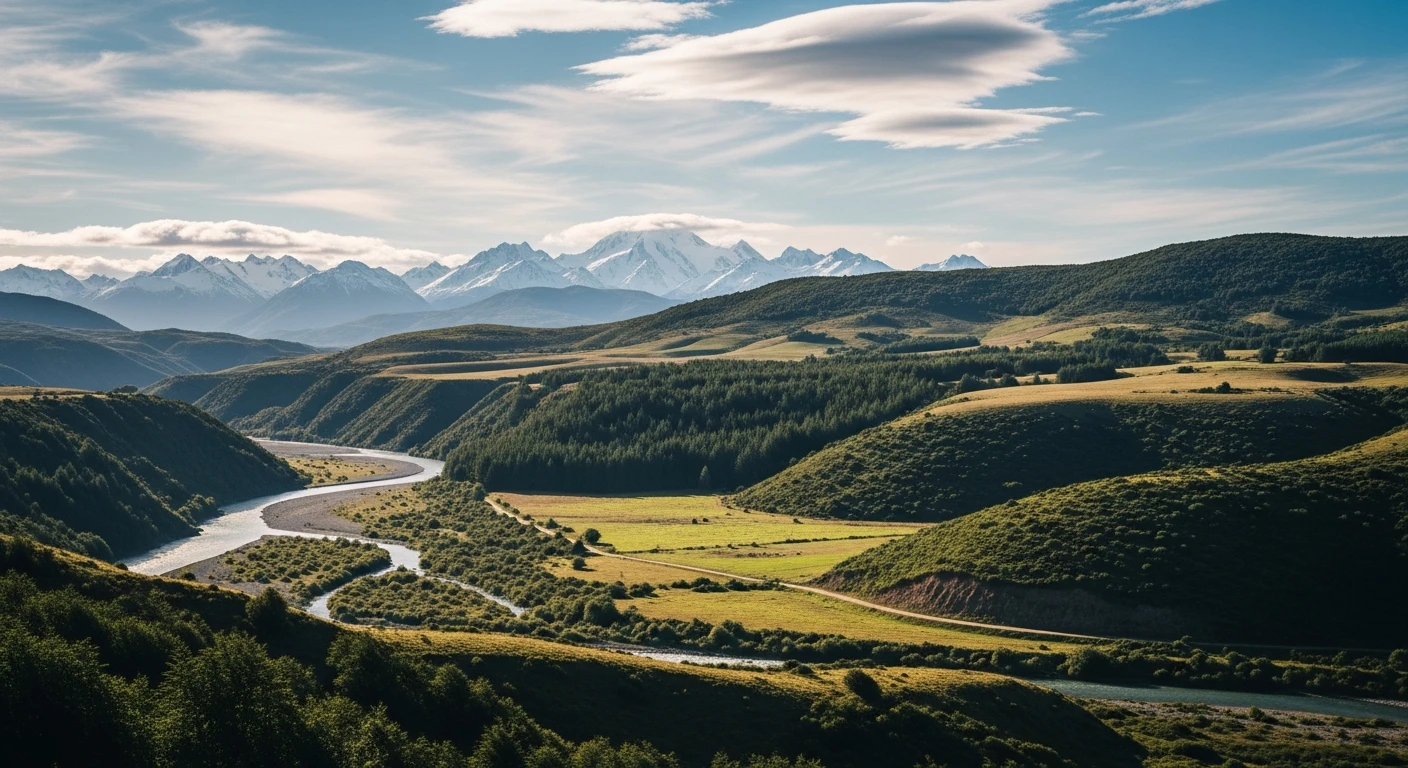
The Biobío region, nestled in the heart of Chile, is a captivating blend of history, natural beauty, and cultural vibrancy. This region, named after the Biobío River, is historically significant as it served as a natural boundary for the Mapuche people during the Spanish conquest. The river itself is one of the longest in Chile, symbolizing the flow of life and resistance that characterizes the region.
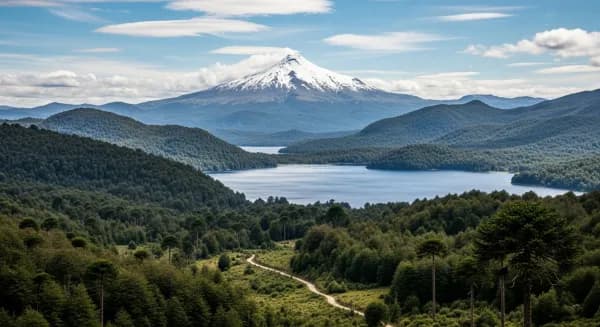
Geographically, Biobío is diverse, stretching from the Andes mountains to the Pacific Ocean, offering a variety of landscapes from lush forests to sandy beaches. Its capital, Concepción, is a bustling urban center known for its vibrant arts scene and youthful energy, thanks to its large student population. The vibe here is a mix of traditional Chilean culture and modern urban life, creating a unique atmosphere that is both welcoming and intriguing.
Biobío has also played a pivotal role in Chile's history, being a center of industry and innovation. The region's resilience is evident in its recovery from the devastating 2010 earthquake, showcasing the strength and spirit of its people. Today, Biobío stands as a testament to Chile's rich history and dynamic future, making it a must-visit for travelers seeking both adventure and cultural immersion.
When visiting Biobío, accommodation options range from luxurious retreats to budget-friendly hostels, catering to every type of traveler. Concepción, the region's largest city, offers a variety of upscale hotels like the Hotel Diego de Almagro, known for its panoramic views and excellent service. For those seeking a more intimate experience, boutique hotels such as the Hotel Alborada provide a charming atmosphere with personalized service.
For budget travelers, hostels such as Hostal Concepción offer affordable rates without compromising on comfort. These hostels are often located in central areas, providing easy access to the city's attractions and nightlife. In rural areas, eco-lodges and guesthouses offer a chance to experience the region's natural beauty up close, often with opportunities for outdoor activities like hiking and bird watching.
Navigating Biobío like a local is made easy with its efficient transportation network. Concepción's public transit system includes buses and colectivos (shared taxis), which are both affordable and convenient for getting around the city. The Biotren, a commuter rail service, connects Concepción with nearby towns, offering a scenic and efficient way to explore the region.
For more flexibility, renting a car is a popular option, especially for those looking to explore the rural areas and hidden gems of Biobío. The region's roads are generally well-maintained, and driving allows visitors to experience the stunning landscapes at their own pace. Bicycles are also a great way to explore, particularly in Concepción, where bike-friendly paths are becoming increasingly common.
Biobío is surrounded by hidden gems that offer unforgettable excursions for adventurous travelers. One such destination is the Nahuelbuta National Park, located in the Andes foothills. This park is home to ancient araucaria forests and offers hiking trails with breathtaking views of the surrounding mountains and valleys.
Another must-visit is the coastal town of Lota, known for its historic coal mines and the picturesque Chivilingo Hydroelectric Plant, the first of its kind in Chile. Guided tours provide insight into the region's industrial past and the lives of the miners who once worked there.
For a taste of local culture, the small town of Ralco is a gateway to the indigenous Pehuenche communities. Visitors can learn about their traditional way of life and enjoy the stunning landscapes of the Alto Biobío region, including the majestic Ralco National Reserve.
The best time to visit Biobío depends on the activities you wish to pursue. The spring months of September to November offer mild temperatures and blooming landscapes, ideal for outdoor activities and exploring national parks.
Summer, from December to February, is perfect for beachgoers and those looking to enjoy the vibrant cultural festivals. The weather is warm and sunny, making it an excellent time for coastal excursions.
Autumn, from March to May, brings cooler temperatures and fewer crowds, providing a more relaxed atmosphere for sightseeing. Winter, from June to August, is the least popular time to visit due to the colder weather, but it offers a unique charm with snow-capped mountains and cozy indoor activities.
Biobío's climate varies significantly depending on the time of year and location within the region. January is the warmest month, with temperatures averaging around 25°C (77°F), making it ideal for enjoying the beaches and outdoor festivals.
In contrast, July is the coldest month, with temperatures dropping to around 8°C (46°F). The Andes region experiences snowfall, attracting winter sports enthusiasts. Rain is most common from May to August, with June being the wettest month.
Spring and autumn offer moderate temperatures, typically ranging from 15°C to 20°C (59°F to 68°F), providing comfortable conditions for hiking and exploring the region's natural beauty.
Biobío's cultural scene is a rich tapestry of traditions, influenced by its indigenous Mapuche heritage and European settlers. The region is known for its vibrant festivals, such as the Festival Internacional de Teatro del Biobío, which attracts performers and audiences from across Chile and beyond.
The people of Biobío are known for their warmth and hospitality, often going out of their way to welcome visitors. It's customary to greet with a friendly "hola" and a handshake or cheek kiss, reflecting the region's friendly and open nature.
Etiquette in Biobío is similar to the rest of Chile, with an emphasis on politeness and respect. When dining, it's common to wait for the host to start the meal, and it's considered polite to try all dishes offered, as a sign of appreciation for the host's efforts.
Biobío's culinary scene is a delightful mix of traditional Chilean flavors and local specialties. A must-try dish is the "curanto," a hearty stew traditionally cooked in an underground pit, featuring a mix of seafood, meats, and vegetables.
Another local favorite is the "empanada de pino," a pastry filled with seasoned meat, onions, and olives, showcasing the region's love for savory flavors. Seafood is abundant, with dishes like "caldillo de congrio," a flavorful fish stew, reflecting the region's coastal influence.
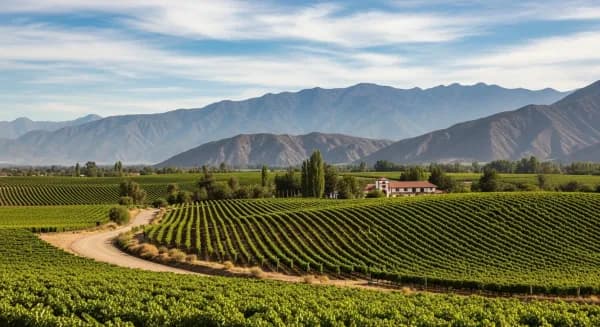
The region's fertile land also produces excellent wines, particularly reds, which pair beautifully with the local cuisine. Don't miss the chance to sample a glass of Chilean Carménère, a wine variety that has found a perfect home in Biobío's vineyards.
Biobío is home to numerous attractions that showcase its natural beauty and cultural heritage. One of the top landmarks is the University of Concepción, renowned for its beautiful campus and the iconic "Campanil," a symbol of the city.
Another must-visit is the Museo de Historia Natural de Concepción, where visitors can explore exhibits on the region's natural history, including its diverse flora and fauna. The museum also offers insights into the geological forces that have shaped Chile.
For a taste of local art, the Casa del Arte houses an impressive collection of Chilean paintings, including the famous mural "Presencia de América Latina" by Jorge González Camarena, which captures the spirit and history of Latin America.
Nature lovers will appreciate the Parque Ecuador, a vast green space in Concepción perfect for leisurely strolls and picnics. The park's lush landscapes provide a peaceful retreat from the city's hustle and bustle.
Lastly, the historic town of Chillán offers a glimpse into the region's colonial past with its charming architecture and the impressive Chillán Cathedral, a testament to the resilience of the local community following the 1939 earthquake.
Nearby places worth adding to your itinerary.
Top stays in Biobío picked for comfort, value, and great guest reviews.