
Arroyo Grande
Explore stays
Buenos Aires, the vibrant capital of Argentina, is a city where the old-world charm of Europe meets the spirited energy of Latin America. Founded in 1536 by Spanish explorer Pedro de Mendoza, the city has evolved through centuries of colonial influence, immigration, and cultural fusion. Its name, which translates to 'Fair Winds,' reflects the optimism and resilience of its people, known as Porteños.
Geographically, Buenos Aires is situated on the southeastern coast of South America, along the western shore of the Río de la Plata. This strategic location has historically made it a bustling port city, contributing to its economic and cultural significance. The city is a sprawling metropolis, divided into distinct barrios or neighborhoods, each with its own unique character and charm.
The vibe of Buenos Aires is one of passion and creativity. It is a city that never sleeps, with a pulsating nightlife, a thriving arts scene, and a rich tapestry of music and dance. From the melancholic strains of tango echoing through the cobblestone streets of San Telmo to the modern skyscrapers of Puerto Madero, Buenos Aires offers a captivating blend of the past and the present.
When visiting Buenos Aires, choosing the right neighborhood to stay in can greatly enhance your experience. For luxury travelers, Recoleta is an ideal choice. Known for its elegant French-style architecture, this area boasts high-end hotels, upscale boutiques, and fine dining restaurants. The Recoleta Cemetery, where Eva Perón is buried, is a must-visit landmark in this area.
For those on a budget, Palermo offers a lively atmosphere with affordable accommodations. This trendy neighborhood is famous for its vibrant nightlife, street art, and eclectic mix of cafes and bars. Hostels and boutique hotels abound, providing a range of options for budget-conscious travelers.
San Telmo, one of Buenos Aires' oldest neighborhoods, offers a bohemian vibe with its antique shops, tango bars, and historic buildings. It's a great area for travelers seeking a more authentic experience.
Getting around Buenos Aires is relatively easy, thanks to its comprehensive public transportation system. The Subte, the city's subway, is the fastest way to navigate between neighborhoods. With six lines covering major parts of the city, it is both efficient and affordable.
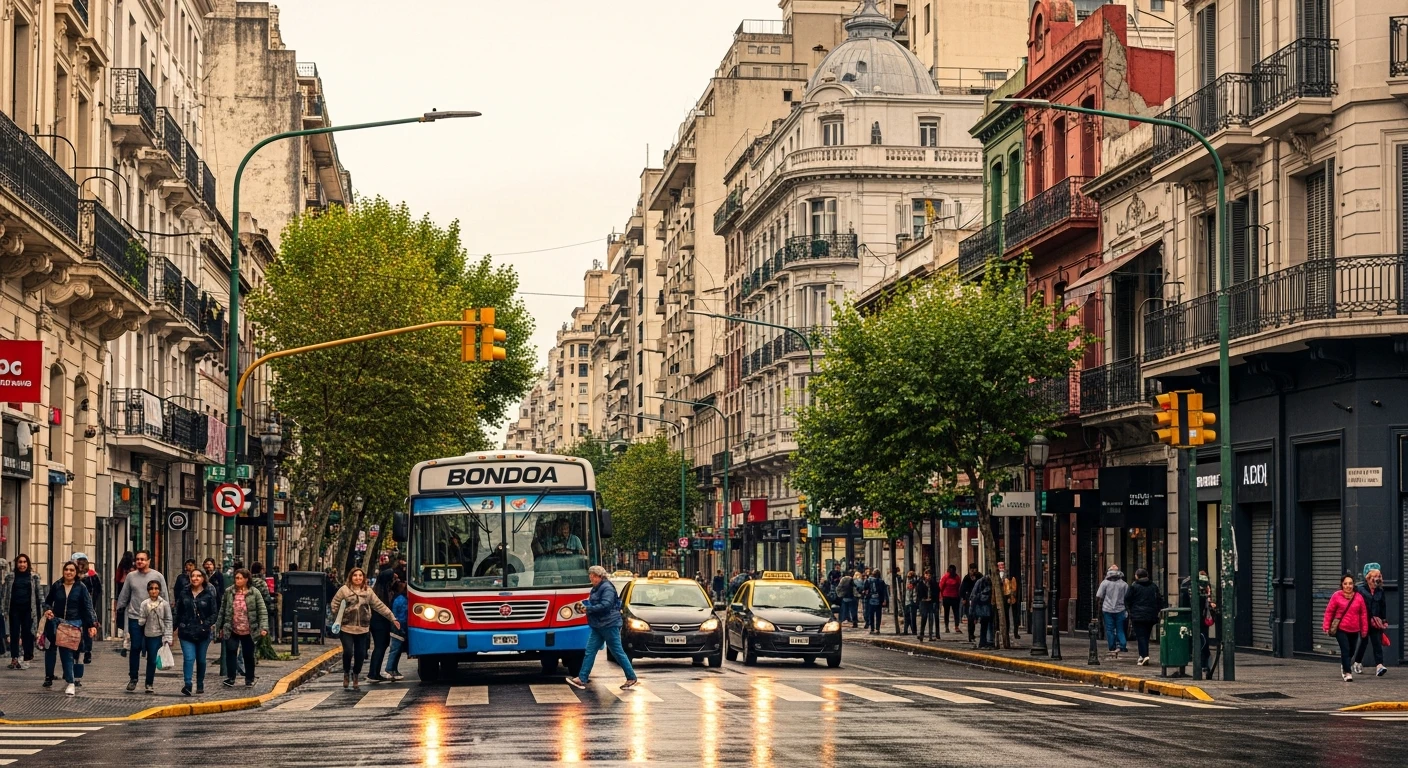
Buses, known as colectivos, are another popular option. With an extensive network covering the entire city, they offer a more scenic route. However, understanding the routes can be challenging for newcomers, so using a transportation app is advisable.
Taxis and ride-sharing services like Uber are readily available and provide a convenient way to travel, especially late at night. Cycling is also gaining popularity, with dedicated bike lanes and rental services available throughout the city.
Beyond the city limits of Buenos Aires, several hidden gems await exploration. A short ferry ride across the Río de la Plata takes you to Colonia del Sacramento in Uruguay, a UNESCO World Heritage site known for its cobblestone streets and historic architecture.
The Tigre Delta, located just an hour north of Buenos Aires, offers a picturesque escape with its network of waterways and lush islands. Visitors can enjoy boat tours, kayaking, and riverside dining.
For nature enthusiasts, a visit to the Pampas, the vast plains surrounding Buenos Aires, provides a glimpse into Argentina's rural life. Estancias, or traditional ranches, offer horseback riding and the chance to experience gaucho culture firsthand.
The best time to visit Buenos Aires is during the spring (September to November) and fall (March to May) when the weather is mild and pleasant. During these months, the city is alive with festivals and outdoor events, making it an ideal time for sightseeing and exploring.
Summer (December to February) can be hot and humid, but it's also the season for lively street parties and cultural celebrations. Winter (June to August) is cooler, with fewer tourists, offering a more relaxed experience.
Buenos Aires experiences a temperate climate with distinct seasons. January, the hottest month, sees temperatures averaging 86°F (30°C), while July, the coldest month, averages around 50°F (10°C).
Spring and autumn are characterized by mild temperatures and occasional rainfall, making them ideal for outdoor activities. Winter is relatively dry, with cool temperatures and crisp, clear days.
Regardless of the season, Buenos Aires' weather is generally unpredictable, so it's wise to pack layers and be prepared for sudden changes.
Buenos Aires is a cultural melting pot, with influences from Europe, Africa, and indigenous traditions. The city's cultural calendar is packed with events, from the Tango Festival and World Cup to the vibrant Carnival celebrations.
Porteños are known for their warmth and hospitality. When interacting with locals, a friendly greeting and a kiss on the cheek are customary. Dining is a social affair, and it's common for meals to last several hours.
Respect for personal space and punctuality is appreciated, though the pace of life is generally relaxed. Understanding these cultural nuances can enhance your experience and help you connect with the local community.
Argentine cuisine is a carnivore's delight, with beef being a staple. The asado, or traditional barbecue, is a must-try experience. Parrillas, or steakhouses, are found throughout Buenos Aires, offering a variety of cuts cooked to perfection.
Empanadas, savory pastries filled with meat, cheese, or vegetables, are popular snacks. For a sweet treat, try alfajores, a type of cookie filled with dulce de leche.
Buenos Aires also boasts a thriving food scene with international influences, from Italian pasta and pizzas to Middle Eastern falafels and shawarmas, reflecting the city's diverse immigrant heritage.
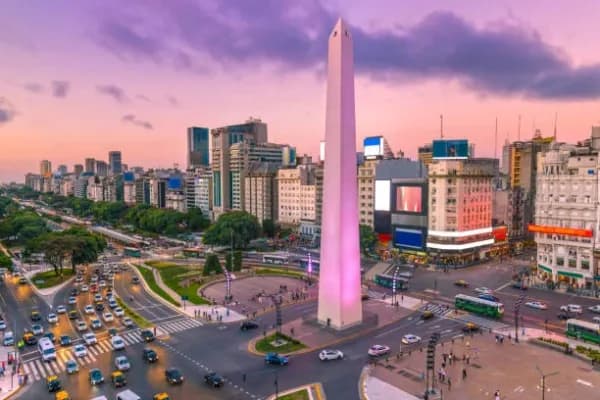
Buenos Aires is home to numerous landmarks that capture its rich history and vibrant culture. The iconic Obelisco, located in the heart of Avenida 9 de Julio, is a symbol of the city and a popular meeting point for locals and tourists alike.
The Teatro Colón, one of the world's finest opera houses, offers guided tours that showcase its stunning architecture and acoustics. Attending a performance here is a cultural highlight.
La Boca, famous for its colorful houses and the Caminito street museum, is a lively neighborhood that celebrates Buenos Aires' artistic spirit. It's also home to the Boca Juniors football team, a source of local pride.
The Plaza de Mayo, the city's main square, is surrounded by historic buildings, including the Casa Rosada, the presidential palace. This area has been the backdrop for many significant events in Argentina's history.
Finally, the Palermo Woods, a sprawling parkland, offers a green oasis with botanical gardens, a zoo, and tranquil lakes, perfect for a leisurely stroll or a relaxing picnic.
Nearby places worth adding to your itinerary.
Top stays in Buenos Aires picked for comfort, value, and great guest reviews.
Local guide picks to help you explore Buenos Aires better.