
Ancud
Explore stays
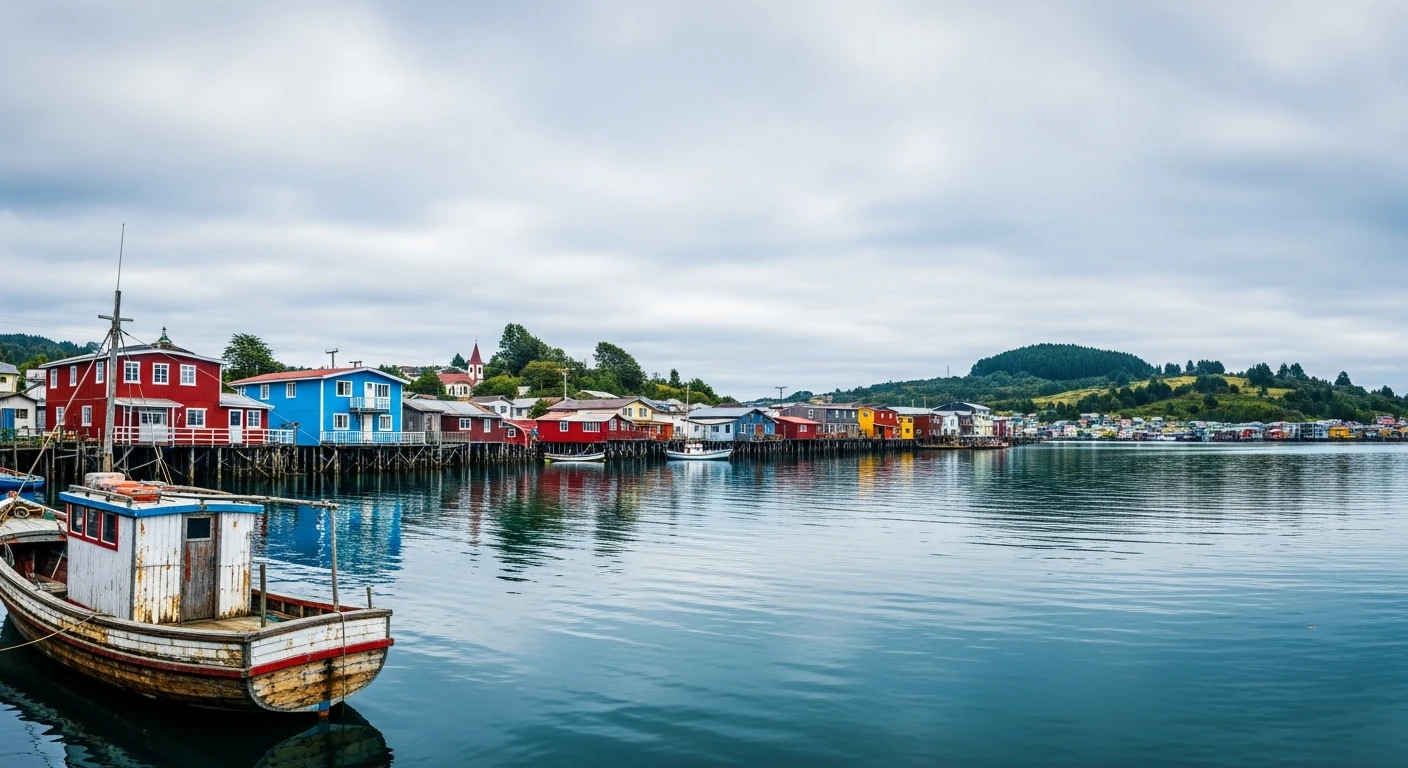
Chiloé, an archipelago in the Los Lagos Region of southern Chile, is a place where myths and reality intertwine, creating a unique tapestry of culture and nature. Known for its palafitos, colorful stilt houses, and mystical legends, Chiloé offers visitors a glimpse into a world where time seems to have stood still.
The history of Chiloé is rich and varied, with its roots tracing back to the indigenous Chono and Huilliche peoples. The Spanish arrived in the late 16th century, bringing with them new cultural influences that melded with the local traditions. This confluence of cultures is evident in the island's distinctive architecture and folklore.
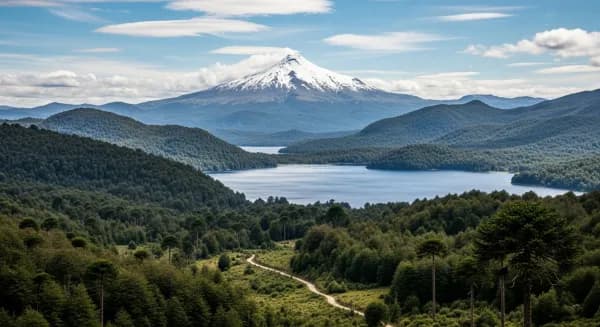
Geographically, Chiloé is characterized by rolling hills, dense forests, and an intricate coastline dotted with small fishing villages. The island's atmosphere is one of tranquility and mystery, with frequent misty rains adding to its enigmatic charm. The people of Chiloé, known as Chilotes, are renowned for their hospitality and strong community spirit, often seen in their vibrant festivals and shared traditions.
Chiloé offers a range of accommodations to suit all budgets, from luxurious retreats to cozy guesthouses. For those seeking a high-end experience, the town of Castro is home to several boutique hotels that offer stunning views of the bay and easy access to local attractions.
For budget-conscious travelers, Ancud provides numerous hostels and family-run bed-and-breakfasts where you can immerse yourself in local life. The town's central location makes it an ideal base for exploring the northern part of the island.
For a truly unique experience, consider staying in a traditional palafito. These stilt houses, often converted into charming lodgings, offer a glimpse into the island's architectural heritage and a chance to experience life on the water.
Navigating Chiloé like a local is best done by taking advantage of the island's efficient bus system, which connects major towns and villages. Buses are frequent and affordable, making them an excellent option for budget travelers.
For those looking to explore at their own pace, renting a car is a convenient choice. This allows you to access more remote areas and hidden gems that are less frequented by tourists. Be prepared for narrow, winding roads and occasional ferry crossings between islands.
Bicycles are also a popular mode of transport, especially for those wanting to experience the island's scenic beauty up close. Many towns have bike rental shops, and cycling is a great way to meet locals and discover off-the-beaten-path locations.
While Chiloé itself is a treasure trove of attractions, several excursions offer a deeper dive into the surrounding natural beauty. One must-visit is the Chiloé National Park, a sprawling area of lush forests and rugged coastline that provides excellent hiking opportunities.
Another hidden gem is the Islotes de Puñihuil, a group of small islets that are home to colonies of Magellanic and Humboldt penguins. Boat tours from Ancud offer a chance to see these charming birds up close.
For a cultural excursion, the town of Dalcahue hosts a weekly market where artisans from surrounding islands sell their crafts. It's an excellent opportunity to purchase unique souvenirs and support local artists.
The best time to visit Chiloé depends on your interests and tolerance for weather variations. The summer months of December to February offer the warmest temperatures and are ideal for outdoor activities and festivals.
Autumn, from March to May, is a quieter time with fewer tourists, offering a more peaceful experience. The island's landscapes are particularly beautiful as the foliage changes color.
Winter, from June to August, is the wettest season, but it brings a certain mystique to the island. If you don't mind the rain, you'll find cozy accommodations and the chance to experience Chiloé's famous hospitality.
Chiloé's weather is notoriously unpredictable, with frequent rain showers throughout the year. January and February are the driest months, making them popular with tourists.
March and April bring cooler temperatures and occasional sunny days, while May to August sees the most rainfall, with temperatures dropping significantly.
September to December is springtime, with gradually warming temperatures and blooming wildflowers, offering a refreshing atmosphere for visitors.
Chiloé's culture is a vibrant blend of indigenous and Spanish influences, with a strong emphasis on community and tradition. The island is famous for its folklore, with tales of ghost ships and mythical creatures like the Trauco and Pincoya.
Festivals play a significant role in Chilote culture, with events such as the Fiesta de San Juan and the Festival Costumbrista celebrating local customs and cuisine. These festivals are lively affairs, filled with music, dance, and traditional foods.
When visiting Chiloé, it's important to respect local customs and etiquette. Chilotes are known for their politeness and hospitality, and visitors are encouraged to reciprocate with courtesy and an open mind.
Chiloé's cuisine is a reflection of its rich cultural heritage and abundant natural resources. A must-try dish is curanto, a traditional feast of seafood, meats, and potatoes cooked in a pit lined with hot stones.
Other local delicacies include milcao, a type of potato pancake, and chapalele, a potato dumpling often served with pork. The island's seafood is fresh and plentiful, with specialties like smoked salmon and sea urchins.
Chilote cuisine is best enjoyed in local markets and family-run restaurants, where you can savor authentic flavors and experience the warmth of Chilote hospitality.
Chiloé is home to numerous landmarks that offer insight into its unique culture and history. The Churches of Chiloé, a UNESCO World Heritage Site, are a must-see. These wooden churches, built by Jesuit missionaries, showcase a blend of European and indigenous architectural styles.
Castro, the island's capital, is known for its colorful palafitos and the iconic San Francisco Church. The town's vibrant arts scene and lively markets make it a hub of activity and culture.
In Ancud, the Fort San Antonio provides a glimpse into the island's colonial past, with panoramic views of the bay. Nearby, the Ancud Regional Museum offers exhibits on the island's history and folklore.
For nature enthusiasts, the Muelle de las Almas in Cucao is a mystical spot that offers breathtaking views of the Pacific Ocean. This wooden pier, steeped in local legend, is a popular destination for hikers and photographers.
Finally, the Islotes de Puñihuil are a must-visit for wildlife lovers. The penguin colonies here are a rare sight, offering a unique opportunity to observe these fascinating creatures in their natural habitat.
Nearby places worth adding to your itinerary.
Top stays in Chiloé picked for comfort, value, and great guest reviews.