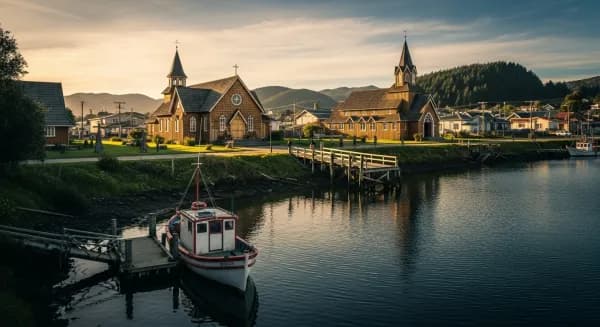

Ancud
Explore stays
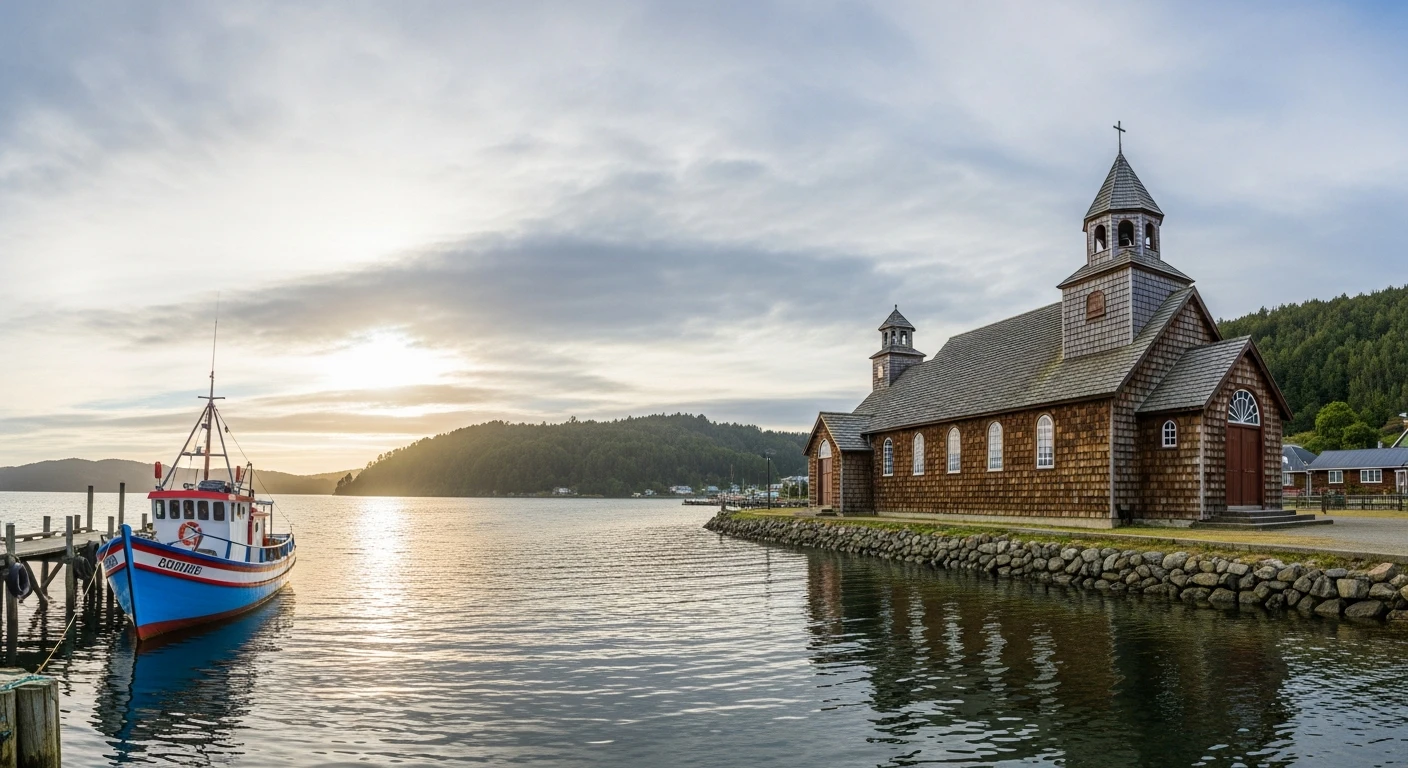
Nestled in the heart of the Chiloé Archipelago, Dalcahue is a charming coastal town that offers a unique blend of history, culture, and natural beauty. The town's name, derived from the indigenous Mapudungun language, means 'place of dalcas,' referring to the traditional canoes used by the Chono people, the original inhabitants of the region. Today, Dalcahue is a vibrant community that serves as a gateway to the smaller islands of Chiloé.
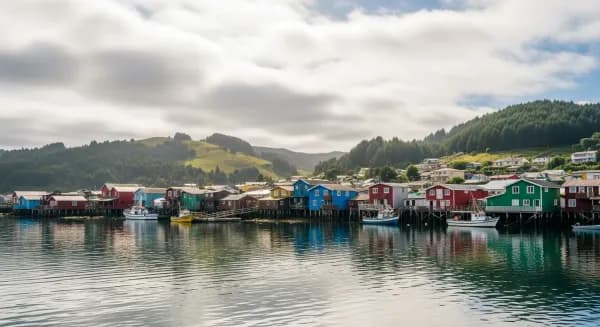
Geographically, Dalcahue is located on the eastern coast of Chiloé Island, facing the Dalcahue Channel. The town's landscape is characterized by rolling hills, lush forests, and picturesque waterfronts. Its strategic location made it a crucial trading hub in the past, connecting the islands of Chiloé with the mainland of Chile. This rich history is still evident in the town's architecture, with its wooden churches and traditional stilt houses, known as 'palafitos.'
The vibe in Dalcahue is laid-back and welcoming, with a strong sense of community. The locals, known as Chilotes, are renowned for their hospitality and deep-rooted traditions. Visitors can expect a warm reception and the opportunity to immerse themselves in the local culture, from traditional music and dance to artisanal crafts and cuisine.
Dalcahue offers a range of accommodation options to suit different budgets and preferences. For those seeking luxury, the nearby town of Castro, just a short drive away, boasts several upscale hotels and boutique lodges that offer stunning views of the Chiloé landscape. These accommodations often feature modern amenities while maintaining a rustic charm that reflects the region's heritage.
Budget travelers will find a variety of hostels and guesthouses within Dalcahue itself. These establishments offer cozy, affordable lodging with the added benefit of personalized service. Staying in a local guesthouse provides an authentic experience, allowing visitors to engage with the Chilote way of life firsthand.
For a truly unique experience, consider staying in a 'palafito'—a traditional stilt house built over the water. These accommodations offer a glimpse into the traditional architecture and lifestyle of the Chilote people.
Navigating Dalcahue and the surrounding areas is relatively straightforward, thanks to a well-connected network of roads and ferries. The town itself is compact and walkable, making it easy to explore on foot. Bicycles are also a popular mode of transport, offering a leisurely way to take in the scenic views.
For those looking to venture further afield, local buses connect Dalcahue with other towns on Chiloé Island, including Castro and Ancud. These buses are an affordable and efficient way to travel, providing an authentic glimpse into daily life on the island.
Ferries are essential for reaching the smaller islands in the archipelago. The Dalcahue ferry terminal offers regular services to islands such as Quinchao and Curaco de Vélez, allowing visitors to explore the diverse landscapes and communities of Chiloé.
Dalcahue serves as an excellent base for exploring the hidden gems of Chiloé. One must-visit destination is the island of Quinchao, known for its stunning landscapes and rich cultural heritage. The island's capital, Achao, is home to one of the oldest wooden churches in Chiloé, a UNESCO World Heritage site.
Nature enthusiasts will appreciate a trip to the Tantauco Park, a vast nature reserve located on the southern tip of Chiloé Island. The park offers a variety of hiking trails that wind through ancient forests, pristine lakes, and diverse wildlife habitats.
Another excursion worth considering is a visit to the Islotes de Puñihuil, a group of small islets off the coast of Chiloé that serve as a breeding ground for Magellanic and Humboldt penguins. Boat tours offer a chance to observe these fascinating creatures in their natural habitat.
The best time to visit Dalcahue and the Chiloé Archipelago is during the summer months, from December to February. During this period, the weather is warm and pleasant, making it ideal for outdoor activities and exploring the natural beauty of the region.
Spring (September to November) and autumn (March to May) are also great times to visit, as the weather is mild and the landscapes are vibrant with seasonal colors. These shoulder seasons offer a quieter experience, with fewer tourists and more opportunities to engage with the local culture.
Winter (June to August) in Chiloé is characterized by cooler temperatures and increased rainfall. While some attractions may be less accessible, the winter months offer a unique opportunity to experience the island's dramatic landscapes and cozy up in a traditional Chilote home.
The weather in Dalcahue and Chiloé is influenced by its maritime climate, resulting in mild temperatures and high humidity year-round. January and February are the warmest months, with average temperatures ranging from 15°C to 20°C (59°F to 68°F).
March to May sees a gradual cooling, with temperatures ranging from 10°C to 15°C (50°F to 59°F). This period is known for its vibrant autumn foliage, offering picturesque views of the island's landscapes.
June through August are the coldest months, with temperatures averaging between 5°C and 10°C (41°F to 50°F). Rainfall is more frequent during this time, creating lush, green surroundings. September to November marks the transition to spring, with temperatures rising and the island coming to life with blooming flora.
The culture of Dalcahue and the wider Chiloé Archipelago is deeply rooted in its indigenous and colonial history. The Chilote people are known for their strong sense of community and rich traditions, which are celebrated through various festivals and events throughout the year.
One of the most notable cultural events is the Fiesta de San Juan, held in June. This festival celebrates the winter solstice with traditional music, dance, and feasting. Another important celebration is the Minga, a communal event where neighbors come together to help one another with tasks such as moving houses or harvesting crops.
Etiquette in Chiloé emphasizes respect and hospitality. Visitors are encouraged to engage with the local community, participate in cultural events, and respect the island's natural environment. The Chilote people are proud of their heritage and are eager to share it with those who visit their beautiful island.
The culinary scene in Dalcahue and Chiloé is a reflection of the island's rich cultural heritage and abundant natural resources. One must-try dish is the curanto, a traditional Chilote meal that features a mix of seafood, meats, and potatoes, cooked in a pit lined with hot stones and covered with nalca leaves.
Another local favorite is milcao, a type of potato pancake that can be sweet or savory, often served with smoked meats or honey. Seafood lovers will enjoy the variety of fresh fish and shellfish available, including congrio (conger eel) and picorocos (giant barnacles).
Chilote cuisine is characterized by its use of locally sourced ingredients and traditional cooking methods, offering a unique and authentic taste of the archipelago's culinary heritage.
Dalcahue and the surrounding areas of Chiloé are home to several noteworthy landmarks that offer insight into the island's history and culture. One of the top attractions is the Dalcahue Market, a bustling hub of activity where locals and visitors alike can browse a variety of artisanal crafts, fresh produce, and traditional Chilote foods.
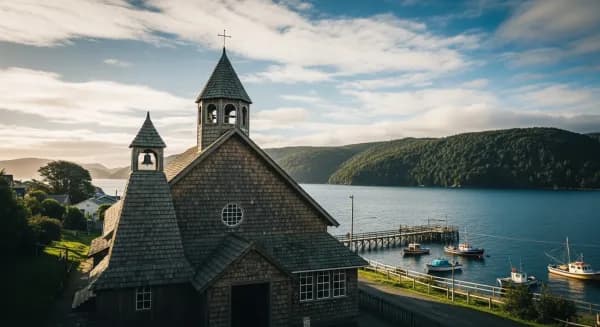
The Church of Our Lady of Sorrows in Dalcahue is another must-visit site. This wooden church, part of the Churches of Chiloé UNESCO World Heritage site, is an architectural marvel that showcases the unique craftsmanship of the island's builders.
For nature lovers, the Chiloé National Park offers stunning landscapes and diverse wildlife. The park's trails lead through dense forests, coastal dunes, and tranquil lakes, providing ample opportunities for hiking and birdwatching.
The nearby town of Castro is home to the iconic Palafitos de Gamboa, colorful stilt houses that line the waterfront. These structures are a testament to the island's architectural ingenuity and offer a picturesque backdrop for photography enthusiasts.
Lastly, a visit to the Museo de Arte Moderno de Chiloé in Castro provides a fascinating look at contemporary art from the region, highlighting the island's vibrant cultural scene.
Nearby places worth adding to your itinerary.
Top stays in Dalcahue picked for comfort, value, and great guest reviews.