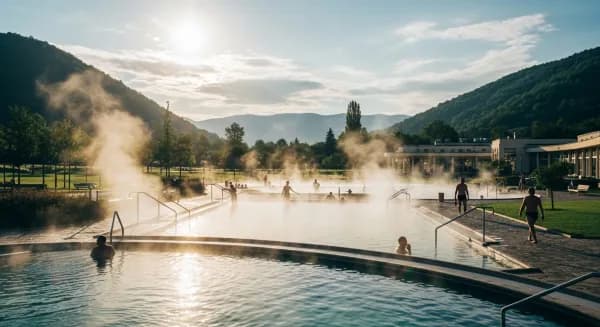
Banja Vrujci
Explore stays
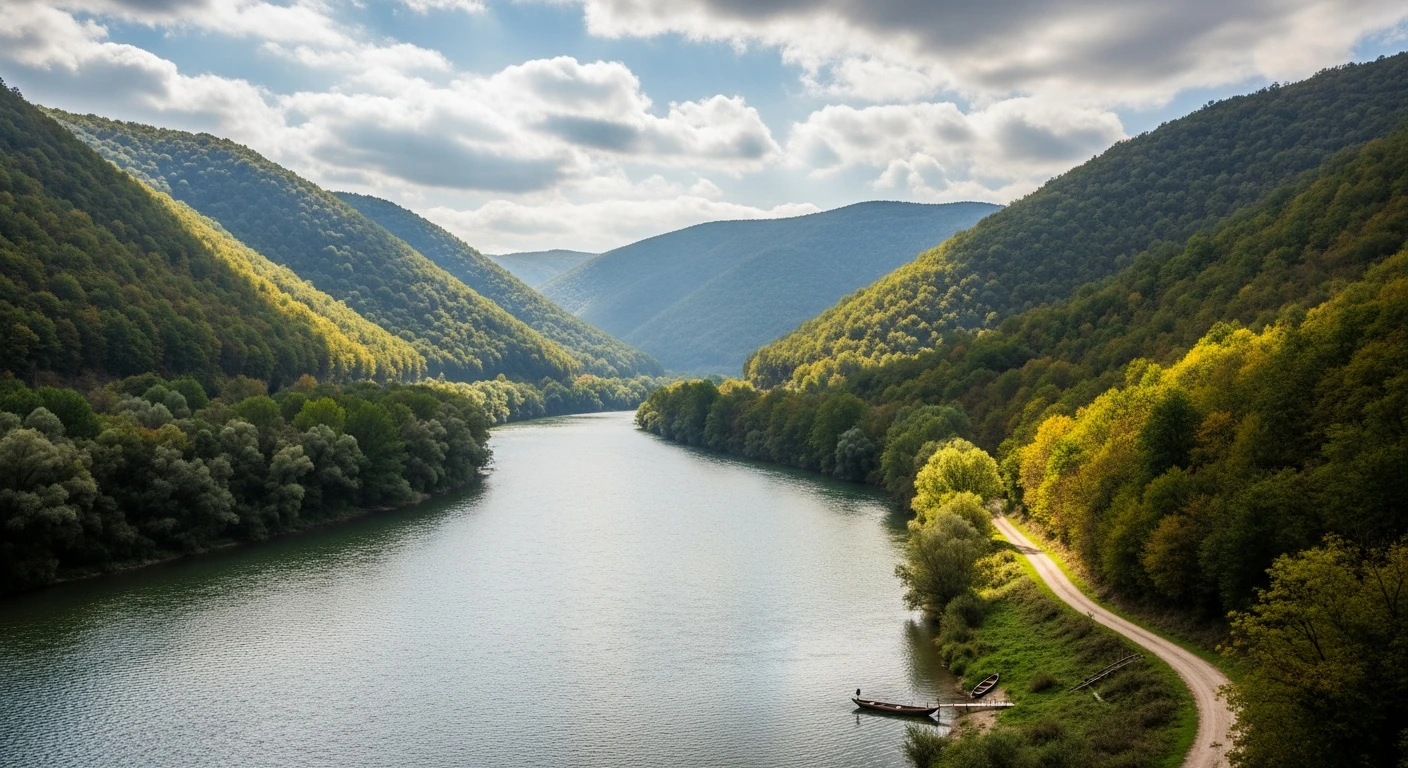
Kolubara, nestled in the heart of Serbia, is a region that offers a unique blend of history, natural beauty, and cultural richness. The Kolubara River, which meanders through the area, is central to its identity, shaping both the landscape and the way of life for its inhabitants. Historically, the region has been a significant agricultural hub, with fertile lands that have supported local communities for centuries.
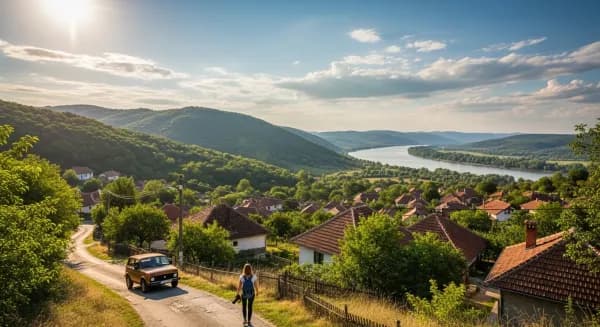
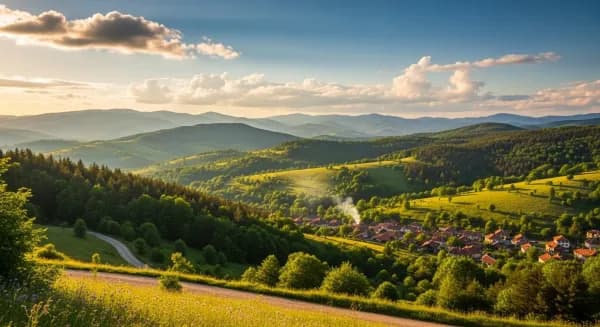
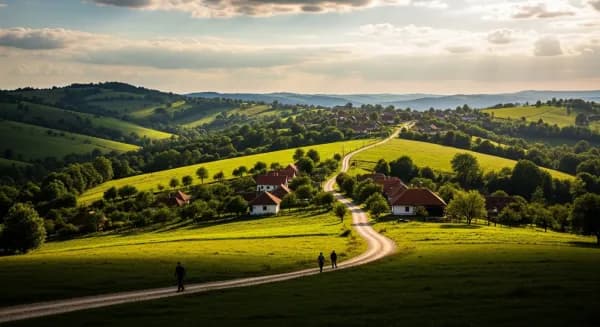
The region's history is marked by its strategic importance during various conflicts, notably during World War I and II, where it served as a battleground due to its proximity to Belgrade. Today, Kolubara is a tranquil area, characterized by its rolling hills and lush greenery, offering a peaceful retreat from the hustle and bustle of urban life.
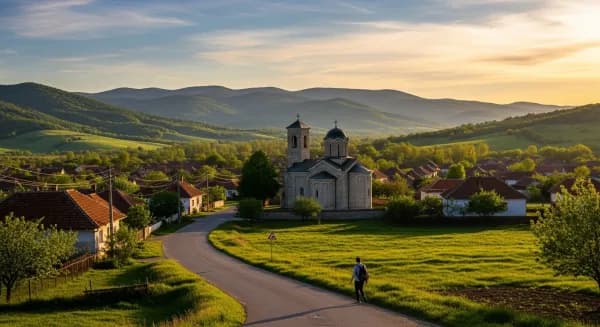
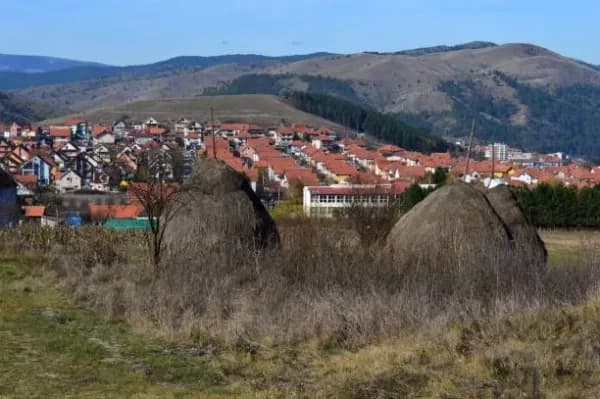
The vibe in Kolubara is distinctly laid-back, with a strong sense of community and tradition. Visitors can expect a warm welcome from locals who are proud of their heritage and eager to share their stories. The region is dotted with charming villages, each with its own unique character and history, making it a fascinating area to explore for those interested in the authentic Serbian countryside.
When visiting Kolubara, travelers have a range of accommodation options to suit different budgets and preferences. For those seeking luxury, there are several upscale hotels and boutique guesthouses that offer modern amenities while maintaining a traditional Serbian charm. These establishments are often located in scenic areas, providing breathtaking views of the surrounding landscape.
Budget travelers can find affordable accommodation in family-run bed and breakfasts or hostels, which offer a more intimate experience and the chance to interact with locals. Staying in smaller villages like Valjevo or Ub can provide a more authentic experience, where visitors can immerse themselves in the local way of life.
Navigating Kolubara like a local is relatively straightforward, thanks to a well-connected network of roads and public transportation. Buses are the most common mode of transport, linking the region's towns and villages with larger cities like Belgrade. They are affordable and frequent, making it easy to explore the area without a car.
For those who prefer more flexibility, renting a car is a viable option. It allows travelers to explore the picturesque countryside at their own pace, stopping at hidden gems along the way. Cycling is also popular in the region, with numerous trails offering stunning views and a chance to experience the natural beauty of Kolubara up close.
Kolubara's surrounding areas are rich with hidden gems waiting to be discovered. One must-visit destination is the Divčibare Mountain, a popular spot for hiking and nature walks. Its trails offer breathtaking views and a chance to encounter the diverse flora and fauna of Serbia.
Another excursion worth considering is a trip to the nearby town of Valjevo, known for its historic architecture and vibrant cultural scene. The town's old quarter, Tešnjar, is particularly charming, with cobblestone streets and traditional Serbian buildings.
For those interested in history, a visit to the Ravna Gora memorial is recommended. It commemorates the Serbian resistance movement during World War II and offers insight into the region's tumultuous past.
The best time to visit Kolubara largely depends on the type of experience you seek. Spring (April to June) is ideal for those who enjoy mild weather and blossoming landscapes. The countryside comes alive with vibrant colors, making it perfect for outdoor activities.
Summer (July to August) offers warm temperatures and longer days, ideal for exploring the region's natural beauty. However, it can be busier with tourists during this period.
Autumn (September to November) is another excellent time to visit, with cooler temperatures and stunning fall foliage. Winter (December to February) can be quite cold, but it offers a serene atmosphere and a chance to experience traditional Serbian winter festivities.
The weather in Kolubara varies throughout the year, with each season offering a unique atmosphere. January is typically the coldest month, with temperatures often dropping below freezing, while July is the warmest, with averages around 25°C (77°F).
Spring brings moderate temperatures and occasional rain showers, which help to rejuvenate the landscape. Summer is generally warm and dry, making it ideal for outdoor activities. Autumn sees a gradual cooling, with crisp air and vibrant foliage.
Winter can be cold and snowy, particularly in the higher elevations. However, the region's beauty is not diminished, and the snowy landscapes can be quite enchanting.
Kolubara is a region steeped in cultural traditions, with a rich tapestry of festivals and events that reflect its heritage. One of the most significant events is the Valjevo Jazz Festival, which attracts musicians and visitors from across Serbia and beyond.
The people of Kolubara are known for their hospitality and warmth. Family and community are central to their way of life, and visitors are often welcomed with open arms and invited to participate in local customs and celebrations.
Understanding local etiquette is important when visiting Kolubara. Respect for elders and politeness in conversation are highly valued. It's also customary to greet people with a handshake and maintain eye contact as a sign of respect.
The culinary scene in Kolubara is a reflection of Serbia's rich gastronomic heritage. Must-eat dishes include 'ćevapi,' grilled minced meat sausages often served with flatbread and onions, and 'sarma,' cabbage rolls stuffed with minced meat and rice.
Local cheeses and cured meats are also popular, often enjoyed with freshly baked bread. The region is known for its hearty and flavorful cuisine, which is a testament to the agricultural abundance of Kolubara.
Visitors should also try 'rakija,' a traditional Serbian fruit brandy, which is often homemade and offered as a gesture of hospitality.
Kolubara boasts several notable landmarks that are worth exploring. The Valjevo Museum offers a deep dive into the region's history, showcasing artifacts and exhibits that tell the story of Kolubara's past.
The Church of the Holy Trinity in Ub is another must-see, known for its stunning architecture and spiritual significance. It is a beautiful example of Serbian Orthodox church design, with intricate frescoes and a peaceful atmosphere.
Nature enthusiasts will appreciate the Kolubara River itself, which provides opportunities for fishing, picnicking, and leisurely walks along its banks. The river is a vital part of the region's ecosystem and a serene spot for relaxation.
For those interested in military history, the Battle of Kolubara monument commemorates a significant World War I battle and offers insight into Serbia's role in the conflict.
Lastly, the village of Mišar is famous for its historical significance, being the site of a crucial battle during the First Serbian Uprising. It offers a glimpse into the region's struggle for independence and is a poignant reminder of its resilient spirit.
Nearby places worth adding to your itinerary.
Top stays in Kolubara picked for comfort, value, and great guest reviews.