Alto Bio Bio
Explore stays
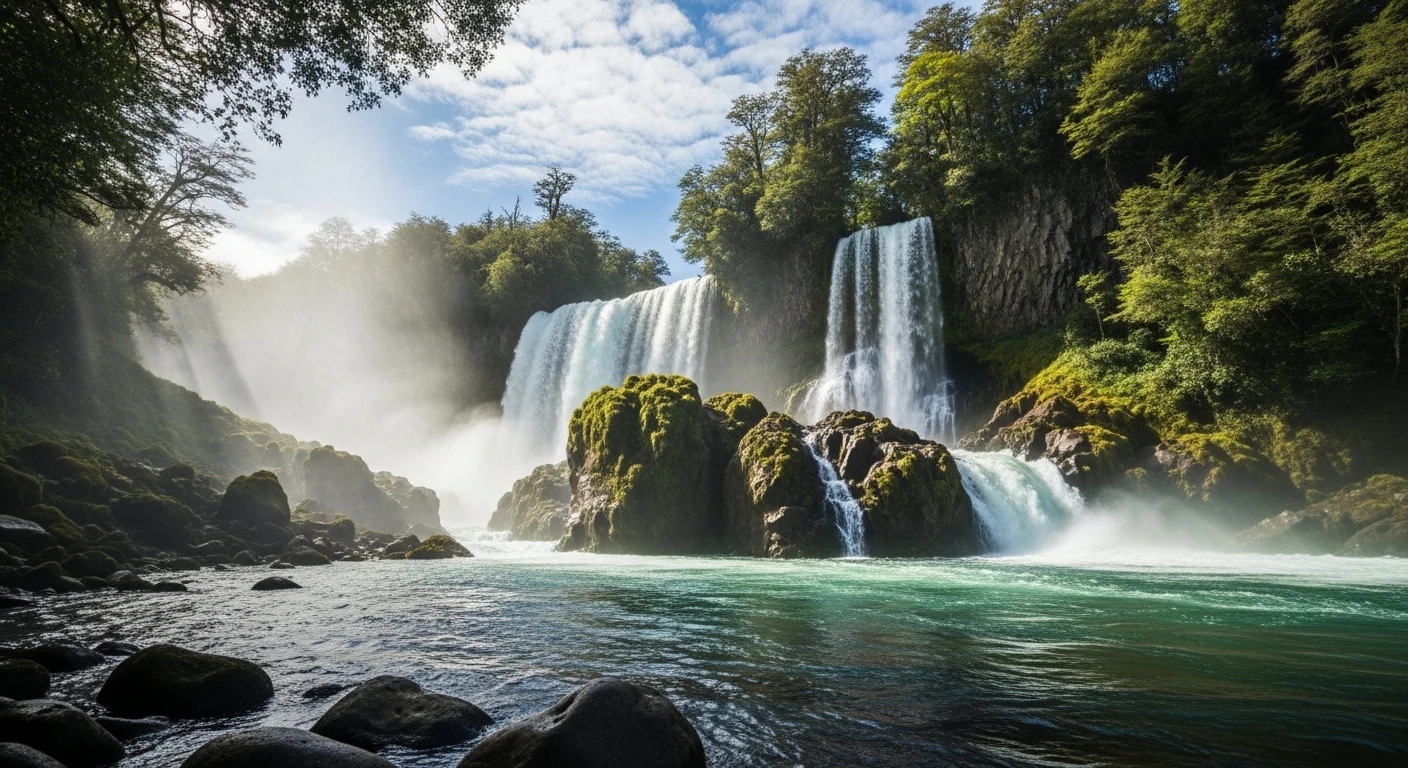
Laja Falls, or Salto del Laja, is a breathtaking natural wonder located in the Biobío region of Chile. This stunning waterfall is part of the Laja River, which carves its way through the lush landscape, creating a series of four cascading falls. The most famous of these is the main waterfall, which plunges over 35 meters into a serene pool below.
The history of Laja Falls is intertwined with the indigenous Mapuche people, who have regarded this site as sacred for centuries. The falls have long been a place of inspiration and legend, with tales of spirits and ancient rituals echoing through the mists. The geography of the area is marked by its volcanic origins, with basalt rock formations providing a dramatic backdrop to the falls.
Today, Laja Falls is a popular destination for both locals and tourists seeking a slice of natural beauty and tranquility. The vibe here is one of peacefulness and awe, as visitors stand in the presence of nature's raw power. The surrounding area is rich in flora and fauna, making it a haven for nature enthusiasts and photographers alike.
When visiting Laja Falls, you'll find a range of accommodation options to suit every budget. For those seeking luxury, the nearby city of Los Ángeles offers several high-end hotels. These establishments provide top-notch amenities and are often located just a short drive from the falls, offering convenience and comfort.
For travelers on a budget, there are numerous guesthouses and hostels in the surrounding towns. These budget-friendly options provide a cozy and authentic experience, often run by local families who are eager to share their knowledge of the Biobío region.
Camping is also a popular choice for those who wish to immerse themselves fully in the natural beauty of Laja Falls. Several campsites are available near the falls, offering basic facilities and a chance to sleep under the stars, lulled by the sound of cascading water.
Navigating the Biobío region is relatively straightforward, with several transportation options available. The most common way to reach Laja Falls is by car, with well-maintained roads leading directly to the site. Rental cars are available in major cities like Los Ángeles, providing flexibility and convenience.
For those relying on public transportation, buses run regularly from Los Ángeles to Laja Falls. This option is affordable and allows you to experience local life as you travel through the scenic countryside.
Once at the falls, walking is the best way to explore the area. Well-marked trails guide visitors to various viewpoints, offering different perspectives of the falls and the surrounding landscape.
Beyond the mesmerizing beauty of Laja Falls, the Biobío region is home to several hidden gems worth exploring. One such excursion is the nearby Laguna del Laja National Park, a pristine area offering hiking trails, wildlife viewing, and stunning views of the Antuco Volcano.
Another must-visit destination is the town of Yumbel, known for its rich history and cultural significance. Here, you can explore charming streets lined with colonial architecture and visit the historic Church of San Sebastián, a site of pilgrimage for many Chileans.
For adventure seekers, the Biobío River offers thrilling opportunities for white-water rafting. Guided tours are available, providing both excitement and a unique way to experience the natural beauty of the region.
The best time to visit Laja Falls and the Biobío region depends on your preferences for weather and activities. The summer months of December to February are ideal for those who enjoy warm weather and outdoor activities. During this time, the falls are at their most vibrant, fed by melting snow from the Andes.
Autumn, from March to May, offers cooler temperatures and fewer crowds, making it a great time for hiking and exploring. The landscape is painted in hues of red and gold, providing a picturesque setting.
Winter, from June to August, brings a different kind of beauty, with the potential for snow in the higher elevations. This season is perfect for those who enjoy a quieter experience and the chance to see the falls in a more tranquil state.
The Biobío region experiences a Mediterranean climate, characterized by warm, dry summers and cool, wet winters. January is the hottest month, with temperatures averaging 28°C (82°F), while July is the coldest, with temperatures dropping to around 5°C (41°F).
Rainfall is most common between May and August, with the wettest month being June. Visitors during this time should be prepared for occasional rain showers, which can enhance the beauty of Laja Falls as the water flow increases.
Spring and autumn offer mild temperatures and are generally considered the best times to visit, providing comfortable weather for outdoor exploration and sightseeing.
The Biobío region is steeped in rich cultural traditions, with a vibrant blend of indigenous Mapuche heritage and Spanish colonial influences. Festivals and celebrations are a significant part of local life, with events like the Fiesta de San Sebastián in Yumbel drawing visitors from across Chile.
The people of Biobío are known for their warmth and hospitality, eager to share their traditions and stories with visitors. Respect for local customs and etiquette is appreciated, with greetings and polite conversation being essential parts of social interactions.
Music and dance are integral to the cultural fabric of the region, with traditional folk music often accompanying celebrations and gatherings. Visitors may have the opportunity to witness or participate in these lively expressions of local culture.
The culinary scene in the Biobío region is a delightful reflection of its cultural diversity. Must-eat dishes include 'curanto,' a traditional Mapuche dish made with seafood, meat, and potatoes, cooked in an earthen pit.
Another local favorite is 'empanadas de pino,' savory pastries filled with a mixture of minced meat, onions, and spices. These are commonly enjoyed as a snack or a meal on the go.
Wine enthusiasts will appreciate the region's burgeoning wine industry, with several vineyards offering tours and tastings. The Biobío Valley is known for producing exceptional white wines, particularly Chardonnay and Sauvignon Blanc.
In addition to Laja Falls, the Biobío region is home to several noteworthy attractions. The city of Concepción, the second-largest city in Chile, offers a vibrant cultural scene with museums, galleries, and theaters.
The University of Concepción is a notable landmark, featuring beautiful architecture and a rich academic history. Its botanical garden is a peaceful retreat within the city, showcasing native plants and trees.
For history enthusiasts, the Museo de la Historia de Concepción provides a fascinating look into the region's past, from its indigenous roots to its modern development.
Another must-see is the Parque Pedro del Río Zañartu, a vast park offering hiking trails, picnic areas, and a museum dedicated to the life of Pedro del Río Zañartu, a prominent figure in Chilean history.
Finally, the coastal town of Dichato is worth a visit for its beautiful beaches and seafood restaurants. It's a perfect spot to relax and enjoy the stunning Pacific coastline.
Nearby places worth adding to your itinerary.
Top stays in Laja Falls picked for comfort, value, and great guest reviews.