Apolo
Explore stays
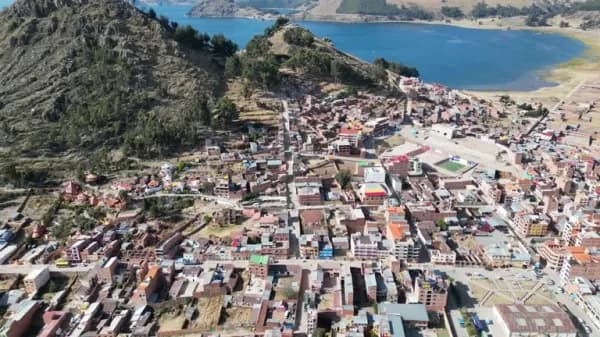
Nestled in the heart of Bolivia, Oruro is a city that pulses with vibrant history and rich cultural traditions. Founded in 1606 by Don Manuel Castro de Padilla, it initially thrived as a mining hub during the Spanish colonial era. The city's strategic location at an altitude of 3,735 meters (12,254 feet) above sea level, amidst the Andes, offers a unique blend of highland geography and breathtaking landscapes.
Oruro is most renowned for its annual Carnival, a UNESCO Masterpiece of the Oral and Intangible Heritage of Humanity. This festival encapsulates the spirit of the city, showcasing a fusion of indigenous and Catholic traditions. The vibe of Oruro is a compelling juxtaposition of the past and present, where ancient rituals meet modern urban life. The streets are alive with the sound of traditional music, and the air is filled with the scent of local cuisine, creating an atmosphere that is both welcoming and intriguing.
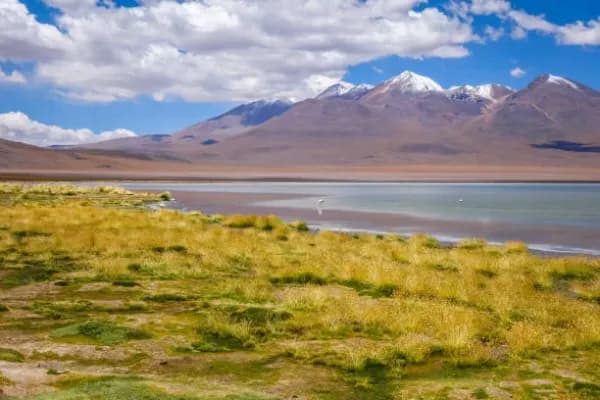
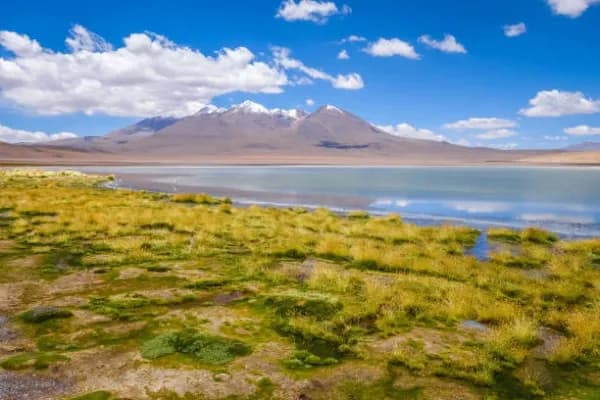
Geographically, Oruro is surrounded by a rugged terrain of mountains and expansive plains, making it a gateway to some of Bolivia's most stunning natural wonders. The city itself is a tapestry of colonial architecture and modern infrastructure, reflecting its journey through time. Visitors to Oruro can expect to be enchanted by its historical depth, cultural richness, and the warmth of its people.
Oruro offers a diverse range of accommodation options to suit every traveler's needs. For those seeking luxury, the city has a few upscale hotels located in the city center, providing easy access to major attractions and offering amenities such as spa services, gourmet dining, and panoramic views of the surrounding mountains.
Budget travelers can find a variety of hostels and guesthouses scattered throughout the city. These establishments often provide a more intimate experience, allowing visitors to connect with locals and other travelers. Areas like Avenida 6 de Agosto and Plaza 10 de Febrero are popular among tourists for their proximity to cultural sites and vibrant nightlife.
For a truly unique experience, consider staying in one of the eco-lodges located on the outskirts of the city. These accommodations offer a chance to immerse yourself in the natural beauty of Bolivia, with opportunities for hiking and wildlife observation right at your doorstep.
Navigating Oruro like a local involves a mix of walking, taxis, and public buses. The city is relatively compact, making it easy to explore on foot. Walking through the streets allows visitors to soak in the local atmosphere and discover hidden gems at their own pace.
Taxis are widely available and offer a convenient mode of transport for longer distances or when traveling with luggage. It's advisable to agree on a fare before starting your journey, as taxis in Oruro do not typically use meters.
For a more authentic experience, consider using the local bus system. Buses and minibuses, known as "micros," are an affordable way to travel around the city and connect to surrounding areas. While routes can be a bit confusing for first-timers, locals are usually friendly and willing to help with directions.
Beyond the city limits of Oruro, a world of natural beauty and historical intrigue awaits. One of the most popular excursions is to the Sajama National Park, home to Bolivia's highest peak, Nevado Sajama. The park offers stunning landscapes, hot springs, and a chance to see the Andean wildlife in its natural habitat.
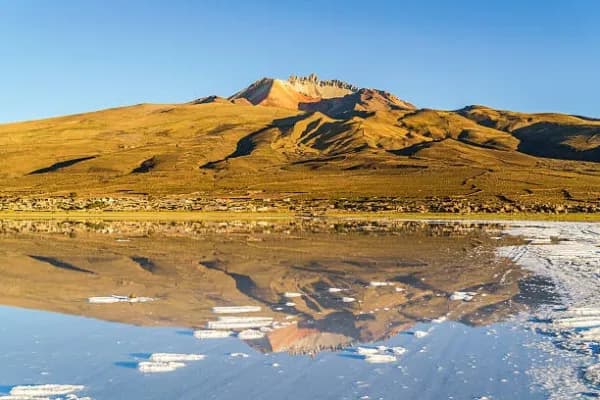
Another must-visit is the Salar de Uyuni, the world's largest salt flat. Located a few hours' drive from Oruro, this otherworldly landscape is a photographer's paradise, offering endless horizons and unique reflective surfaces.
For those interested in history, a trip to the ancient ruins of the city of Tiahuanaco is highly recommended. This archaeological site provides insight into one of Bolivia's earliest civilizations and is a testament to the country's rich cultural heritage.
The best time to visit Oruro is during the dry season, from May to October, when the weather is mild and the skies are clear. This period is ideal for outdoor activities and exploring the city's attractions without the interruption of rain.
February is a special time to visit, as it coincides with the famous Oruro Carnival. However, be prepared for large crowds and higher accommodation prices during this period. The carnival is a once-in-a-lifetime experience, offering a vibrant display of costumes, music, and dance.
Visitors should be aware that the high altitude can make the weather unpredictable, so it's advisable to pack layers and be prepared for sudden changes in temperature.
Oruro experiences a highland climate, characterized by cool temperatures year-round. January is the wettest month, with frequent afternoon showers, while June and July are the driest, with crisp, clear days.
In the summer months (November to March), temperatures can range from 5°C (41°F) at night to 20°C (68°F) during the day. In winter (June to August), temperatures can drop below freezing at night, so warm clothing is essential.
Regardless of the season, the sun in Bolivia is strong due to the high altitude, so sunscreen and a hat are recommended to protect against UV exposure.
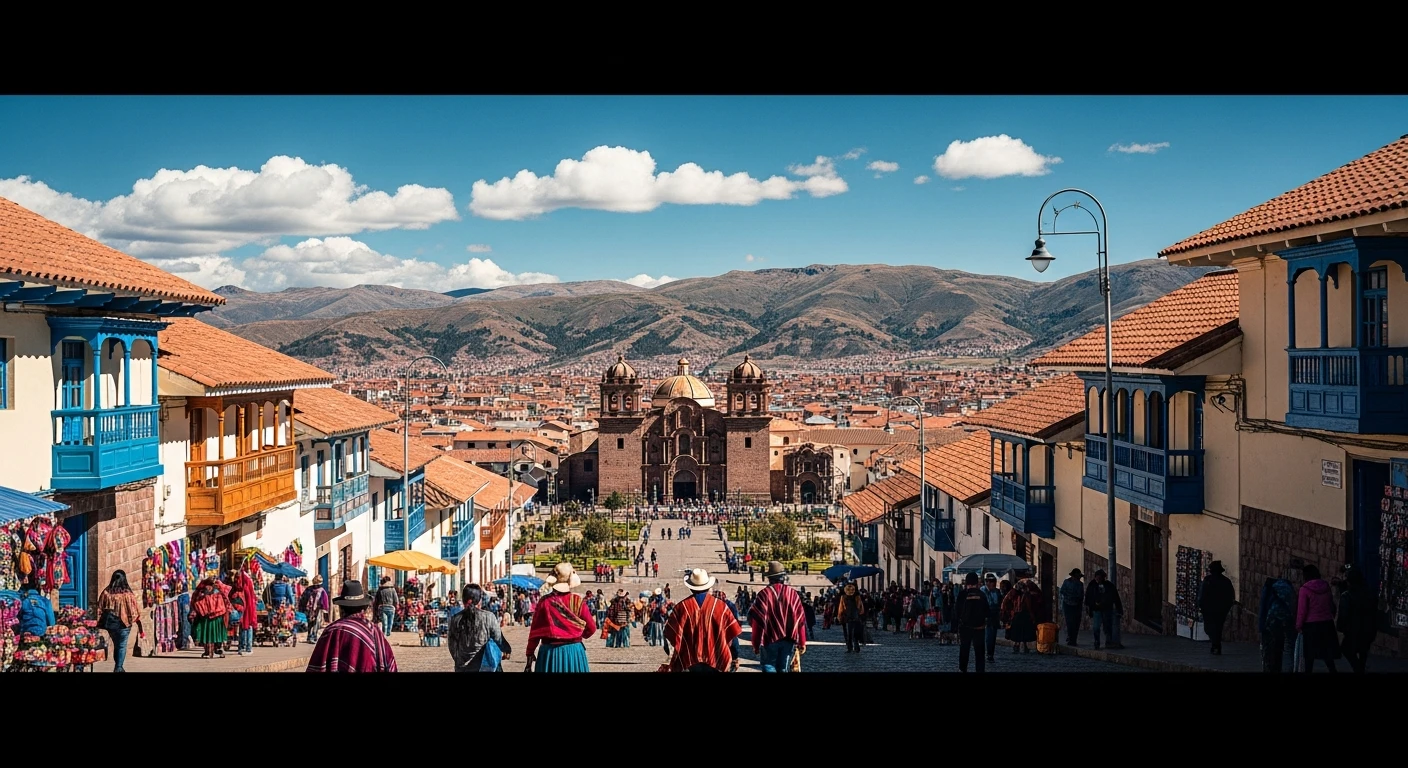
Oruro is a cultural melting pot, where indigenous traditions and colonial influences blend seamlessly. The city is famous for its vibrant festivals, with the Carnival of Oruro being the most prominent. This event is a spectacular display of music, dance, and costumes, drawing visitors from all over the world.
The people of Oruro are known for their warmth and hospitality. Visitors are often greeted with a friendly "buenos días" and a smile. It's important to respect local customs and traditions, such as dressing modestly when visiting religious sites and asking permission before taking photographs of people.
Etiquette in Bolivia emphasizes politeness and respect. When dining, it's customary to greet everyone at the table with a handshake or a kiss on the cheek. Punctuality is not as rigid as in Western cultures, so be prepared for a more relaxed approach to timekeeping.
Oruro's culinary scene is a delightful exploration of traditional Bolivian flavors. Must-try dishes include "charquekan," a savory dish made with dried llama meat, corn, potatoes, and cheese. This dish is a staple of the highland diet and offers a taste of Bolivia's indigenous heritage.
Another popular dish is "pique macho," a hearty platter of beef, sausages, and vegetables, seasoned with spicy sauces. It's a favorite among locals and offers a satisfying meal after a day of exploring.
For a sweet treat, try "api," a warm, thick beverage made from purple corn, cinnamon, and cloves, often enjoyed with pastries. This drink is perfect for warming up on a chilly Oruro evening.
The highlight of Oruro's cultural calendar, the Carnival is a dazzling celebration of music, dance, and folklore. Held annually in February, it attracts thousands of visitors who come to witness the elaborate costumes, vibrant parades, and traditional dances that tell the story of Bolivia's rich cultural heritage.
This iconic church is a spiritual heart of the city and plays a central role in the Carnival celebrations. The sanctuary houses a revered statue of the Virgin, and its interior is adorned with beautiful frescoes and religious art.
Located in a former mine, this museum offers a fascinating insight into Oruro's mining history. Visitors can explore the tunnels and learn about the lives of the miners who once worked here, providing a poignant reminder of the city's industrial past.
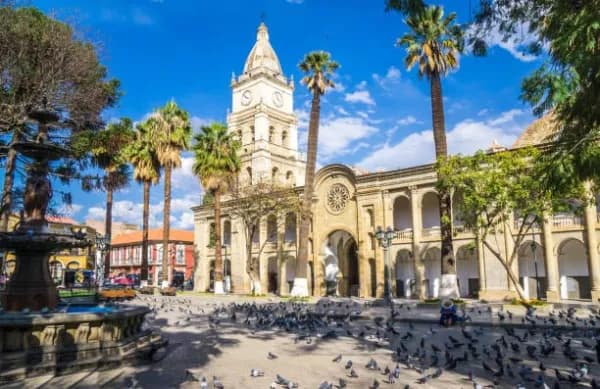
The main square of Oruro is a bustling hub of activity, surrounded by historic buildings and modern shops. It's an ideal spot to relax, people-watch, and soak in the local atmosphere. The plaza is also the starting point for many of the city's festivals and events.
Although slightly outside the city, this national park is a must-visit for nature lovers. It offers stunning views of Bolivia's highest peak, Nevado Sajama, and opportunities for hiking, wildlife watching, and soaking in natural hot springs.
Nearby places worth adding to your itinerary.
Top stays in Oruro picked for comfort, value, and great guest reviews.