
Ancud
Explore stays
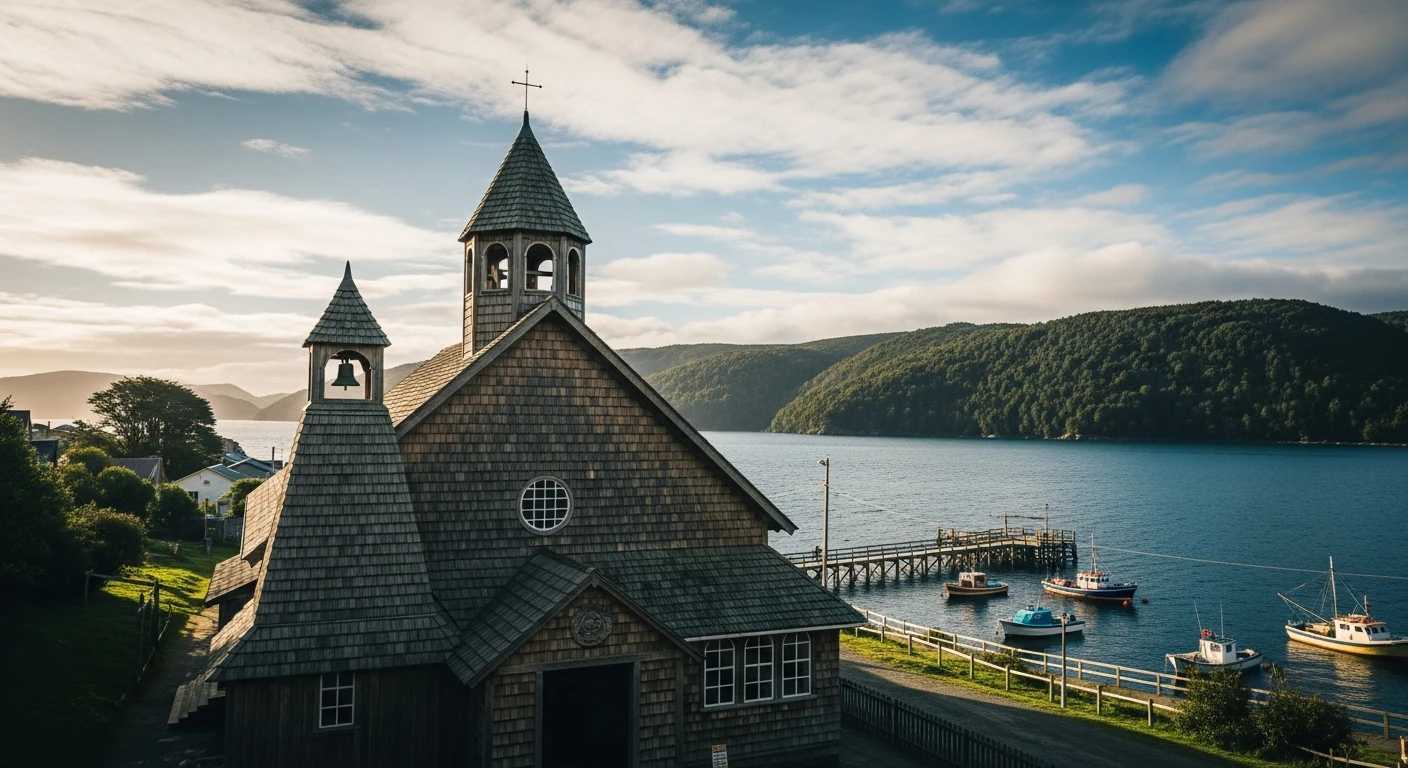
Nestled in the heart of Chiloé, Quilquico is a quaint village that offers a captivating blend of history, culture, and natural beauty. The island of Chiloé itself is steeped in mystique and folklore, often described as a land where time seems to stand still. Quilquico, with its rolling hills and panoramic views of the Pacific Ocean, embodies this magical essence.
The history of Quilquico is deeply intertwined with the indigenous Mapuche and Huilliche peoples, whose presence predates the Spanish colonization. The village's name is believed to originate from the Mapudungun language, reflecting the rich cultural tapestry of the region. During the colonial era, Quilquico became a strategic location for trade and agriculture, contributing to the vibrant cultural heritage of Chiloé.
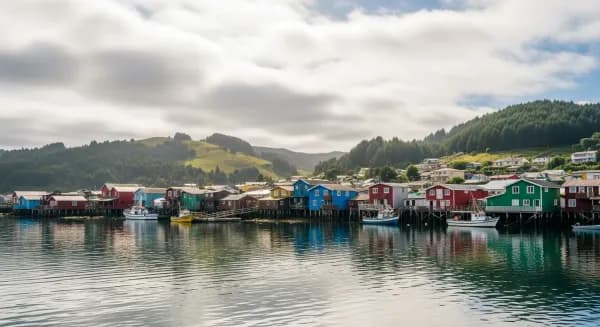
Today, Quilquico maintains its traditional charm, with wooden stilt houses, known as palafitos, dotting its coastline. The vibe here is serene and welcoming, with locals embodying the warm hospitality that Chiloé is known for. Visitors are often enchanted by the village's tranquil atmosphere, where the rhythm of life is dictated by the tides and the seasons.
Quilquico offers a range of accommodation options that cater to different tastes and budgets. For those seeking luxury, the Tierra Chiloé Hotel & Spa provides an exquisite experience with its stunning architecture and panoramic views of the archipelago. Guests can indulge in spa treatments and gourmet dining, all while immersing themselves in the natural beauty of Chiloé.
For budget-conscious travelers, charming guesthouses and hostels are scattered throughout the village. These accommodations offer a more intimate experience, allowing visitors to connect with local families and learn about the daily life and traditions of Quilquico. Staying in these budget options often includes homemade breakfasts featuring fresh local produce.
Navigating Quilquico and the greater Chiloé region is an adventure in itself. The most common mode of transport is by car, allowing visitors to explore the island's hidden corners at their own pace. Rental services are available in nearby cities like Castro, making it convenient for travelers to pick up a vehicle upon arrival.
For those preferring public transportation, buses and colectivos (shared taxis) connect Quilquico with other parts of Chiloé. These options offer an authentic experience, as they are frequently used by locals. Cycling enthusiasts will find the scenic routes around Quilquico ideal for exploring on two wheels, with breathtaking views at every turn.
Quilquico serves as a perfect base for exploring the hidden gems of Chiloé. One must-visit location is the nearby Dalcahue, known for its vibrant Sunday market where artisans sell traditional crafts and local delicacies. The market is a feast for the senses and a great place to pick up unique souvenirs.
Another excursion leads to the island of Lemuy, accessible by a short ferry ride. Lemuy is home to several UNESCO World Heritage wooden churches, each a testament to Chiloé's architectural and cultural heritage. Hiking trails crisscross the island, offering stunning views of the surrounding waters and lush landscapes.
The best time to visit Quilquico and Chiloé largely depends on the type of experience you seek. The summer months of December to February offer the warmest weather, ideal for outdoor activities and exploring the island's natural beauty. This is also the peak tourist season, so expect more crowds and higher accommodation rates.
For those who prefer a quieter visit, the shoulder seasons of spring (September to November) and autumn (March to May) provide mild weather and fewer tourists. During these times, the landscape bursts with color, making it perfect for photography and nature walks.
Chiloé's weather is famously unpredictable, with frequent rain showers throughout the year. January and February are the warmest months, with temperatures averaging around 15°C (59°F). These months are also the driest, making them ideal for outdoor activities.
March to May sees a gradual cooling, with temperatures dropping to around 10°C (50°F). Rain becomes more frequent, but the island's lush greenery is at its most vibrant. Winter months (June to August) are the coldest, with temperatures hovering around 7°C (45°F), and the island often shrouded in mist, adding to its mysterious allure.
The culture of Quilquico and Chiloé is a unique blend of indigenous traditions and colonial influences. The island's festivals are a testament to this rich heritage, with events like the Fiesta de la Candelaria in February celebrating local folklore through music, dance, and religious ceremonies.
Chiloé's people are known for their storytelling, with legends of ghost ships and mythical creatures like the Trauco and Pincoya woven into the island's cultural fabric. Visitors are encouraged to engage with locals and learn about these fascinating tales, which are often shared around a warm hearth.
Etiquette in Quilquico is rooted in respect and community. Greetings are warm and friendly, with a handshake or a kiss on the cheek being common. Visitors should be mindful of local customs, particularly when visiting religious sites and participating in community events.
Chiloé's culinary scene is a reflection of its rich history and abundant natural resources. A must-try dish is curanto, a traditional meal cooked in a pit lined with hot stones. It features a hearty mix of shellfish, meats, potatoes, and vegetables, all steamed to perfection under a layer of nalca leaves.
Other local delicacies include milcao, a type of potato pancake, and chapalele, a dumpling-like treat. Seafood is abundant, with fresh catches like salmon and sea bass often featured in local dishes. Dining in Quilquico offers a chance to savor the flavors of Chiloé, with many restaurants sourcing ingredients from nearby farms and fisheries.
Quilquico is home to several attractions that showcase the natural and cultural beauty of Chiloé. The Church of San Francisco, located in nearby Castro, is a UNESCO World Heritage site and a stunning example of Chiloé's wooden church architecture. Its vibrant yellow facade and intricate woodwork make it a must-visit landmark.
Another highlight is the Chiloé National Park, a vast expanse of temperate rainforest teeming with wildlife. Visitors can explore its network of trails, which lead through ancient forests and along rugged coastlines. The park is a paradise for birdwatchers, with species like the Chiloé wigeon and Magellanic woodpecker often spotted.
The Muelle de las Almas, or Dock of Souls, is a hauntingly beautiful site located on the western coast of Chiloé. This art installation by artist Chumono pays tribute to the island's legends and offers breathtaking views of the ocean. It's a place of reflection and a testament to the island's deep connection with its myths.
Finally, the palafitos of Castro are iconic stilt houses that line the waterfront, providing a glimpse into the traditional way of life in Chiloé. These colorful homes are a photographer's dream and offer insight into the island's architectural heritage.
Nearby places worth adding to your itinerary.
Top stays in Quilquico picked for comfort, value, and great guest reviews.