Toll Free Customer Care
+(1) 123 456 7890Need live support?
support@hectindia.comFollow us on social media




The Everest Base Camp Trek – 16N/17D is more than just a hike; it’s an adventure of a lifetime. Located in the heart of the majestic Himalayas, this trek takes you to the foot of the world's highest mountain, Mount Everest. Spanning over 16 nights and 17 days, this trek offers an incredible journey through breathtaking landscapes, rich cultural experiences, and the thrill of being surrounded by towering snow-capped peaks.
Whether you're an avid trekker or simply looking to experience nature’s raw beauty, the Everest Base Camp Trek – 16N/17D is the ultimate way to witness the grandeur of the Himalayas up close.
The Everest Base Camp Trek offers a unique chance to explore several scenic destinations within the Khumbu region. Along the way, you’ll pass through lush forests, traditional Sherpa villages, and vast glaciers. The trek covers some of the most iconic places in Nepal.
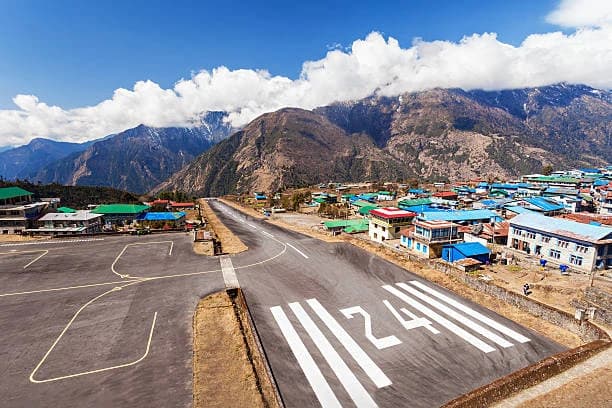
Your journey begins in Lukla, a small mountain town that is famous for its airport, one of the most thrilling in the world. Lukla serves as the gateway to the Everest region and offers a blend of modern facilities alongside traditional mountain life. After arriving in Lukla, the trek takes you deeper into the Himalayas.
From Lukla, you’ll trek to Phakding, a beautiful village located near the Dudh Koshi River. This peaceful place offers stunning views of the surrounding mountains and is the perfect spot to get acclimatized to the altitude.
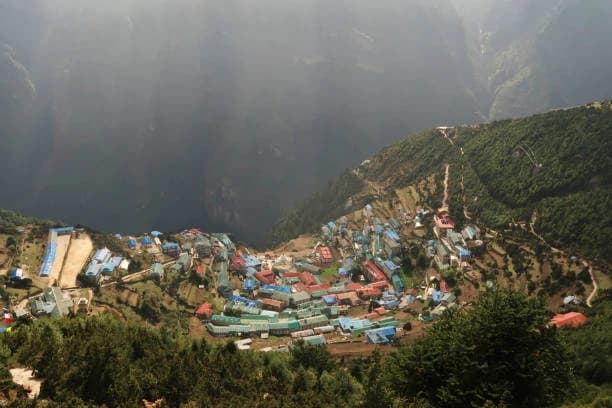
One of the highlights of the Everest Base Camp Trek – 16N/17D is the stop at Namche Bazaar. This vibrant Sherpa town is a central hub for trekkers and locals alike. It is also known as the "Gateway to Everest" and is an excellent place for rest and acclimatization. Here, you’ll find various shops, cafes, and bakeries offering local goods as well as imported items.
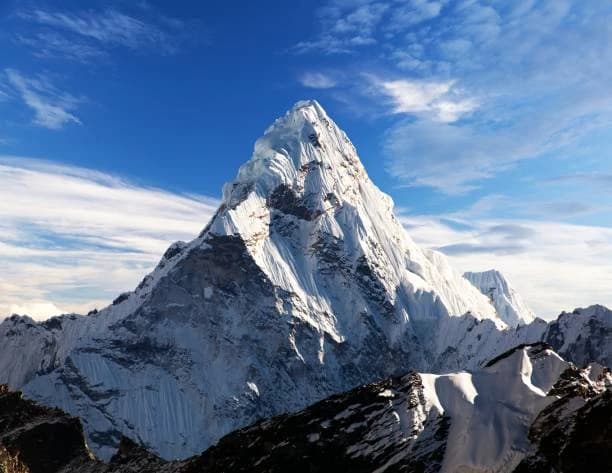
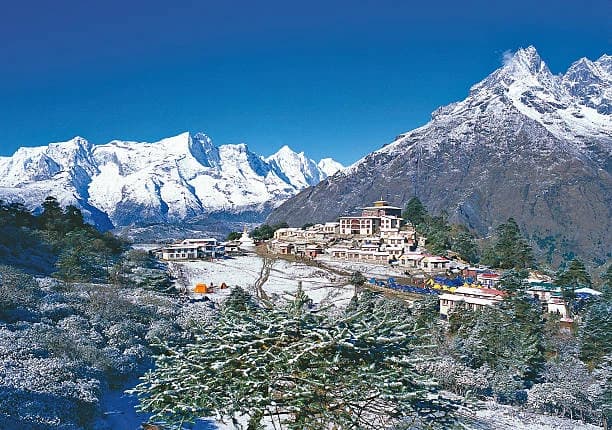
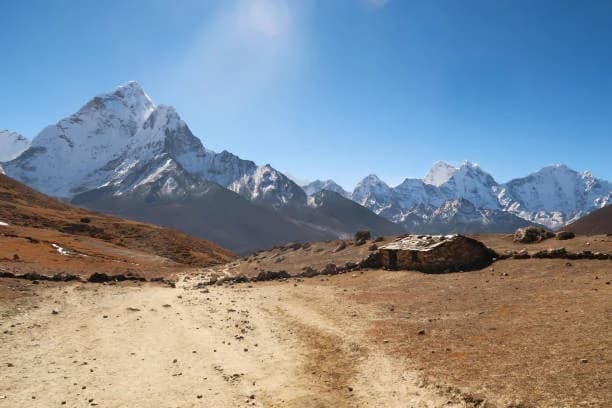
After Namche Bazaar, you’ll head towards Tengboche, home to the famous Tengboche Monastery. Situated in a breathtaking location, the monastery offers spectacular views of Everest, Lhotse, and Ama Dablam. The peaceful atmosphere here allows trekkers to take a moment to reflect and appreciate the beauty of the mountains.
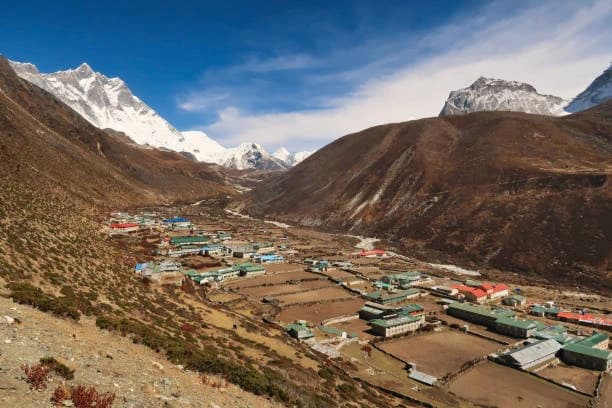
As you ascend further, Dingboche is the next stop on your journey. This picturesque village is known for its stone walls that protect crops from the harsh mountain winds. Dingboche also serves as another acclimatization point, ensuring that trekkers adjust to the increasing altitude.
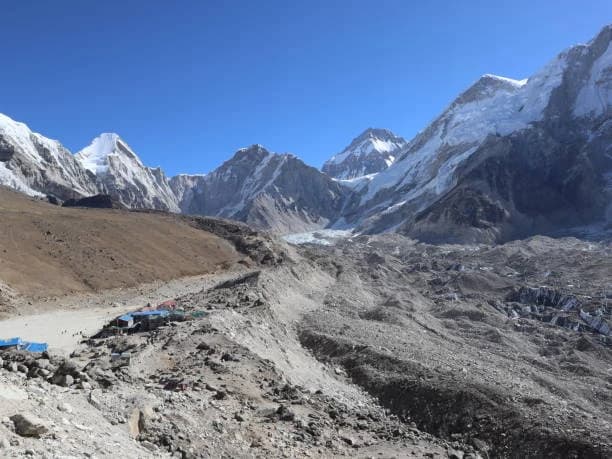
Lobuche is a small settlement located at a high altitude, surrounded by glaciers and dramatic mountain views. This is an important stop on the Everest Base Camp Trek – 16N/17D, as it sets the stage for the final push to Everest Base Camp.
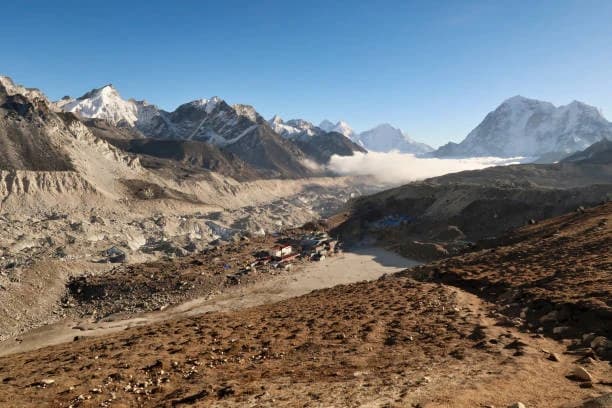
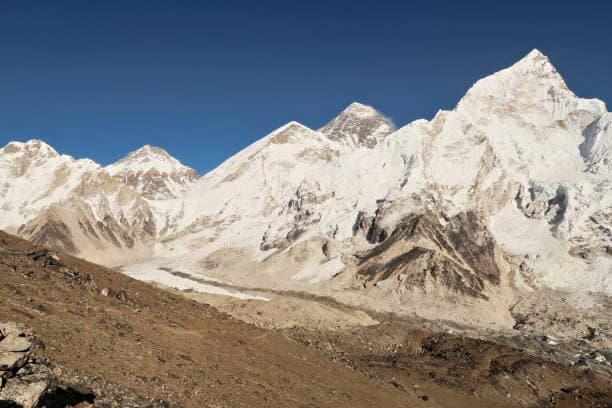
Gorak Shep is the final stop before reaching Everest Base Camp. Here, you’ll stay in basic teahouses and prepare for the grand finale of your trek. From Gorak Shep, you’ll make the short trek to Everest Base Camp itself. The view from here is unparalleled, with the towering presence of Everest and the surrounding peaks offering an unforgettable experience.
Finally, after days of trekking, you’ll arrive at Everest Base Camp. This iconic destination is a place where mountaineers begin their journey to the summit of Mount Everest. Standing at an elevation of 5,364 meters (17,598 feet), you’ll be surrounded by glaciers and icefalls, with the mighty Everest towering above you. It’s a moment that will stay with you forever.
When planning your trek, it’s essential to choose the right time to visit. The best seasons for trekking to Everest Base Camp are pre-monsoon (spring) and post-monsoon (autumn).
Spring is one of the most popular times to do the Everest Base Camp Trek – 16N/17D. The weather is generally clear, with mild temperatures and stable conditions. The trail is also covered with colorful wildflowers, adding to the beauty of the region.
Autumn is another great time to visit, with stable weather and clear skies. The temperatures are moderate, and the trail is not as crowded as during the spring season. This makes it an ideal time for trekkers who want to enjoy the scenic beauty in peace.
Winter treks are possible, but they come with challenges like extreme cold and snow. The trails are quieter, and you’ll have a chance to experience the winter beauty of the Himalayas, but be prepared for tough conditions.
While it’s still possible to trek during the monsoon season, it’s generally not recommended. The trails are often muddy, and the chances of landslides and heavy rainfall increase. It can be more challenging to complete the trek during these months.
The Everest Base Camp Trek – 16N/17D is not just about reaching your destination. It’s an experience that allows you to immerse yourself in the local culture, nature, and the thrill of high-altitude trekking.
One of the most important things to do during the trek is to acclimatize properly. The gradual ascent allows your body to adjust to the increasing altitude, reducing the risk of altitude sickness. The trek’s schedule includes rest days at key points like Namche Bazaar and Dingboche to help with this.
Don’t forget to bring a camera! The landscapes are nothing short of extraordinary, with dramatic peaks, glaciers, and picturesque villages. The opportunity to capture these moments is one of the most rewarding aspects of the trek.
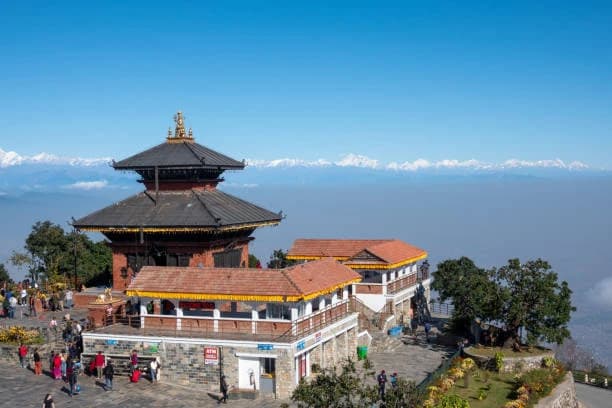
Along the trek, you’ll come across several Buddhist monasteries. The Tengboche Monastery, in particular, offers stunning views and a serene atmosphere. It’s a great place to learn about the local culture and spirituality of the Sherpa people.
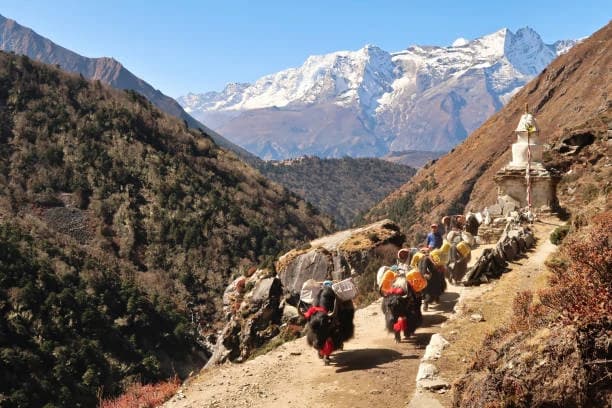
The people you’ll meet on the Everest Base Camp Trek – 16N/17D are just as incredible as the surroundings. The Sherpa community is known for its warm hospitality and strong connection to the mountains. Take the time to interact with them, learn about their way of life, and share stories.
Packing wisely is crucial for the Everest Base Camp Trek – 16N/17D. The weather can change quickly, and you’ll need the right gear to stay comfortable and safe during your journey.
The food on the Everest Base Camp Trek – 16N/17D is simple but nourishing. Local tea houses offer a variety of meals that keep you energized for the long days of trekking.
Dal Bhat is the staple dish of Nepal. It consists of lentil soup, rice, vegetables, and sometimes meat. This meal is filling and provides the necessary energy for the trek.
Momos, or dumplings, are another popular food in the region. These steamed dumplings are filled with meat or vegetables and make for a great snack during the trek.
This hearty stew is made with vegetables, noodles, and sometimes meat. It’s perfect for warming up after a long day of trekking.
The Everest Base Camp Trek – 16N/17D takes you through remote villages where the Sherpa people have lived for centuries. These communities are deeply connected to the mountains and have a unique way of life. The people here speak their native language, Sherpa, though English is widely understood in the trekking regions.
The region is a popular destination for trekkers from around the world. Along the way, you’ll encounter fellow travelers from different parts of the globe, making for a multicultural experience that enriches your journey.
Everything covered in your booking, plus important pricing notes.
No reviews yet.
Your email address will not be published.
Hand-picked tours near your selected destination.