
Introduction
Embarking on a family trip to Japan from India is an adventure filled with vibrant culture, breathtaking landscapes, and unforgettable experiences. Over the years, I have explored Japan extensively, and crafting the perfect 10-day itinerary for families combines both the excitement of discovery and the comfort of well-planned travel. In this blog, I’ll take you through a detailed, step-by-step guide to help Indian families travel seamlessly, enjoy authentic local experiences, and optimize costs on their journey through Japan.
Planning Your Trip: Travel and Connectivity
Starting from India, the most convenient way to reach Japan is via direct flights from major cities like Delhi, Mumbai, and Bengaluru to Tokyo’s Narita or Haneda airports. Airlines like ANA, Japan Airlines, and Air India offer non-stop flights that take around 7 to 8 hours. Booking your tickets 3 to 4 months in advance can save you a significant amount, especially if you travel during the off-peak seasons like late autumn or early spring.
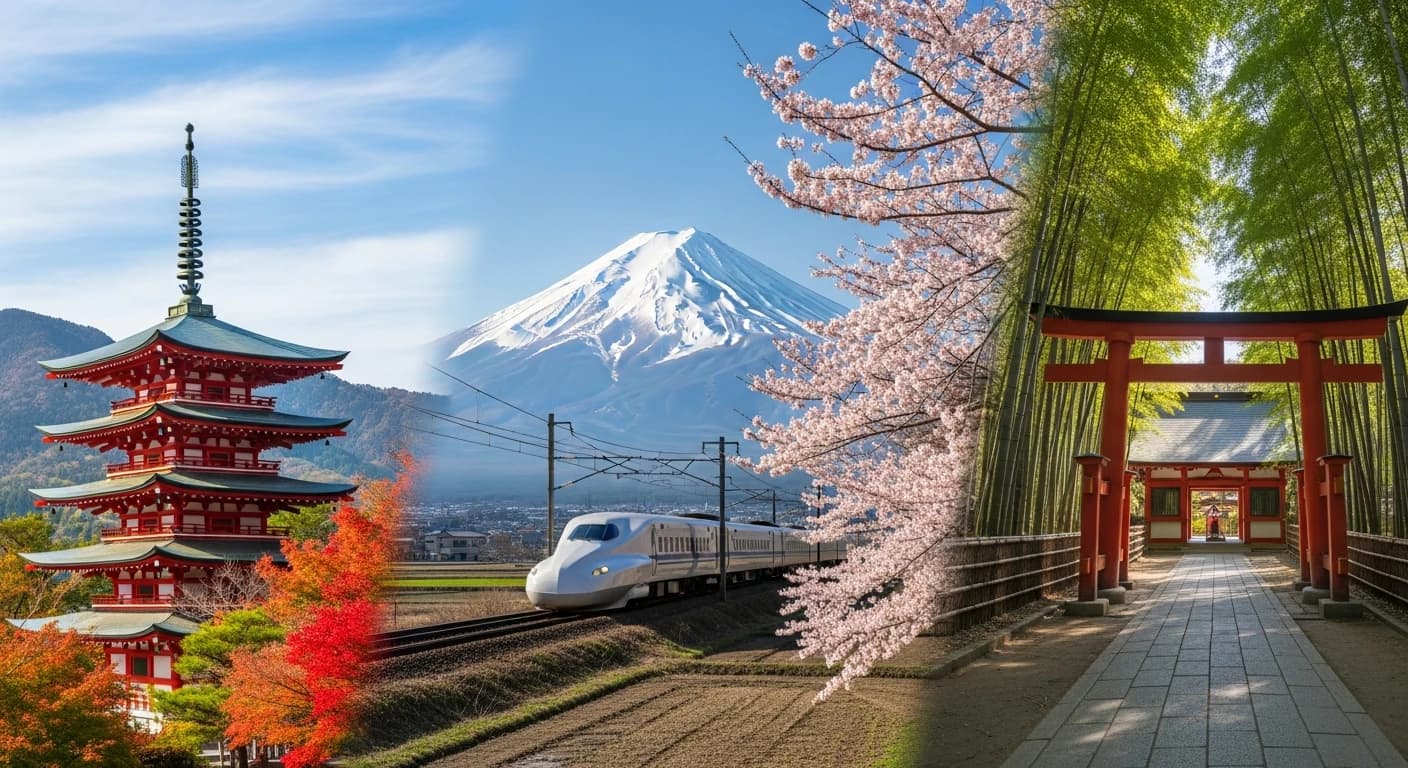
Once in Japan, the country’s world-class public transport network makes travel easy and efficient. For families, I highly recommend purchasing a Japan Rail Pass before arrival, which offers unlimited rides on JR trains, including the famous Shinkansen bullet trains. This pass is cost-effective and convenient for traveling between cities like Tokyo, Kyoto, and Osaka.
Day 1-3: Tokyo - The Heart of Modern Japan
Tokyo is a city that perfectly blends tradition and modernity. For accommodation, families can choose from budget-friendly business hotels like APA Hotel or more luxurious options like the Park Hyatt Tokyo, depending on your budget and preferences. Staying near Shinjuku or Shibuya makes commuting easier.
During the first few days, explore kid-friendly attractions such as the interactive teamLab Borderless digital art museum in Odaiba, the historic Asakusa district with the Senso-ji Temple, and the vibrant Harajuku area for quirky fashion and street food. Don’t miss a visit to Ueno Zoo and the National Museum of Nature and Science, which are great for children.
Day 4-6: Kyoto - A Journey Through Japan’s Heritage
Next, board the Shinkansen to Kyoto, Japan’s cultural capital. For families, I found staying in a traditional ryokan (Japanese inn) with tatami mats and onsen baths to be a memorable experience. Options range from budget ryokans like Guest House An to luxurious stays such as Hoshinoya Kyoto.
Kyoto’s serene temples and gardens offer a peaceful contrast to Tokyo’s hustle. Visit the Fushimi Inari Shrine with its thousands of red torii gates, the Arashiyama Bamboo Grove, and the Kiyomizu-dera Temple. Participating in a traditional tea ceremony or dressing in kimono can be a delightful cultural experience for the whole family.
Day 7-8: Osaka - Food and Fun for Everyone
A short train ride brings you to Osaka, known for its lively atmosphere and delicious street food. Accommodation ranges from budget hotels near Namba station to upscale hotels like Swissôtel Nankai Osaka. Osaka is ideal for families who want to indulge in culinary delights such as takoyaki, okonomiyaki, and kushikatsu.
Spend time at Universal Studios Japan, a favorite among kids and adults alike, or explore the Osaka Aquarium Kaiyukan, one of the largest aquariums in the world. The city’s vibrant Dotonbori district is perfect for evening strolls and tasting local specialties.
Day 9-10: Hiroshima and Return to Tokyo
For the final leg, I recommend a day trip or overnight stay in Hiroshima to visit the Peace Memorial Park and Museum, a poignant reminder of history. Nearby Miyajima Island, with its iconic floating torii gate, offers stunning natural beauty and a chance to feed friendly deer.
Return to Tokyo by Shinkansen for your flight back to India. Use your last day for shopping in Ginza or exploring neighborhoods like Akihabara, famous for electronics and anime culture.
Local Food, Culture, and Lifestyle Tips
Japanese cuisine is diverse and family-friendly. Apart from sushi and ramen, try local specialties like tempura, soba noodles, and seasonal street snacks. Convenience stores like 7-Eleven and Lawson offer affordable and tasty meals on the go.
Respect for local customs, such as removing shoes before entering homes and temples, is important. Public transport etiquette is also strict, so maintain quiet and orderly behavior, especially on trains.
Cost Optimization and Practical Travel Planning
To keep your trip budget-friendly, consider staying in business hotels or guesthouses, use the Japan Rail Pass extensively, and eat at local eateries rather than high-end restaurants. Booking flights and accommodations early and traveling during shoulder seasons can reduce costs significantly.
Also, carry a Suica or Pasmo card for convenient cashless travel on trains and buses within cities. Planning your daily itinerary with grouped sightseeing spots minimizes transport time and expenses.
Conclusion
Traveling to Japan from India with family is a rewarding experience that combines cultural immersion, scenic beauty, and modern comforts. This 10-day itinerary balances iconic landmarks with unique experiences tailored for families, ensuring every member, young or old, creates lasting memories. With thoughtful planning around connectivity, accommodation, local cuisine, and cost-saving strategies, your Japan trip can be both magical and manageable.
I hope my detailed guide inspires you to embark on this unforgettable journey and helps you navigate the nuances of traveling in Japan with ease and joy.