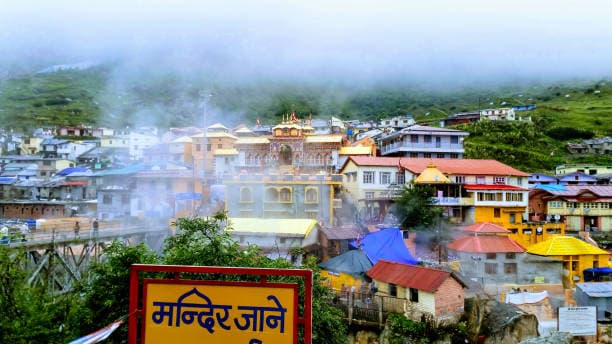
Badrinath Temple is one of the holiest and most revered shrines in Hinduism, dedicated to Lord Vishnu. It is located in the town of Badrinath in the Chamoli district of Uttarakhand, India. Here are some key facts about Badrinath Temple:
-
Location: Badrinath Temple is situated along the banks of the Alaknanda River, nestled in the Garhwal Himalayas. The temple is part of the Char Dham Yatra pilgrimage circuit, which also includes Kedarnath, Gangotri, and Yamunotri.
-
Dedication: The temple is dedicated to Lord Badri Vishal, a form of Lord Vishnu. It is one of the 108 Divya Desams, revered by the followers of Vaishnavism.
-
Opening and Closing Dates: Similar to Kedarnath, Badrinath Temple is open to pilgrims for a limited period each year due to harsh weather conditions. It typically opens around Akshaya Tritiya (April or May) and closes on Vijayadashami (October).
-
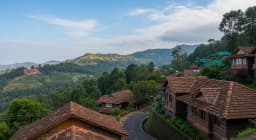
Access: Pilgrims reach Badrinath by undertaking a journey through picturesque landscapes. The nearest major town is Joshimath, and from there, one can travel by road to reach Badrinath. Helicopter services are also available for those who prefer an aerial route.
-
Badrinath Tirtha: The town of Badrinath is considered a Tirtha, a sacred pilgrimage site, and is mentioned in various ancient Hindu scriptures.
-
Ancient Origins: The origin of the Badrinath Temple is believed to date back to ancient times. It is mentioned in texts like the Vishnu Purana and the Skanda Purana. Adi Shankaracharya is also associated with the revival of the temple.
-
Main Idol: The main idol in the temple is a black stone image of Lord Badri Vishal seated in a meditative posture. The idol is enshrined in the sanctum sanctorum.
-
Tapt Kund: Tapt Kund is a natural thermal spring located near the temple. Pilgrims take a holy dip in the warm waters before entering the temple.
-
Narad Kund: Narad Kund is a freshwater spring near Tapt Kund, and it is believed to be the abode of Sage Narada. Pilgrims often take a dip in Narad Kund as well.
-
Neelkanth Peak: The Neelkanth Peak, with its snow-covered slopes, provides a stunning backdrop to the temple. The peak is named after Lord Shiva, whose throat turned blue (neelkanth) after consuming the poison during the churning of the ocean (Samudra Manthan).
-
Alaknanda River: The temple is situated on the left bank of the Alaknanda River, adding to the scenic beauty of the surroundings.
-
Mana Village: Mana, located near Badrinath, is considered one of the last inhabited villages before the Indo-China border. It is associated with various mythological tales.
-
Brahma Kapal: Brahama Kapal is a platform on the banks of the Alaknanda River where rituals for the departed souls are performed. It is believed that offering prayers at Brahama Kapal helps in attaining salvation.
-
Panch Badri Temples: Badrinath is part of the Panch Badri temples, which include Yogadhyan Badri, Bhavishya Badri, Vridh Badri, and Adi Badri.
Badrinath Temple holds immense spiritual significance for Hindus, and the journey to this sacred site is considered a pathway to spiritual enlightenment. Pilgrims and tourists visit Badrinath to seek blessings and immerse themselves in the divine aura of the Himalayas. Before planning a visit, it's advisable to check for the latest information and travel conditions.