Introduction
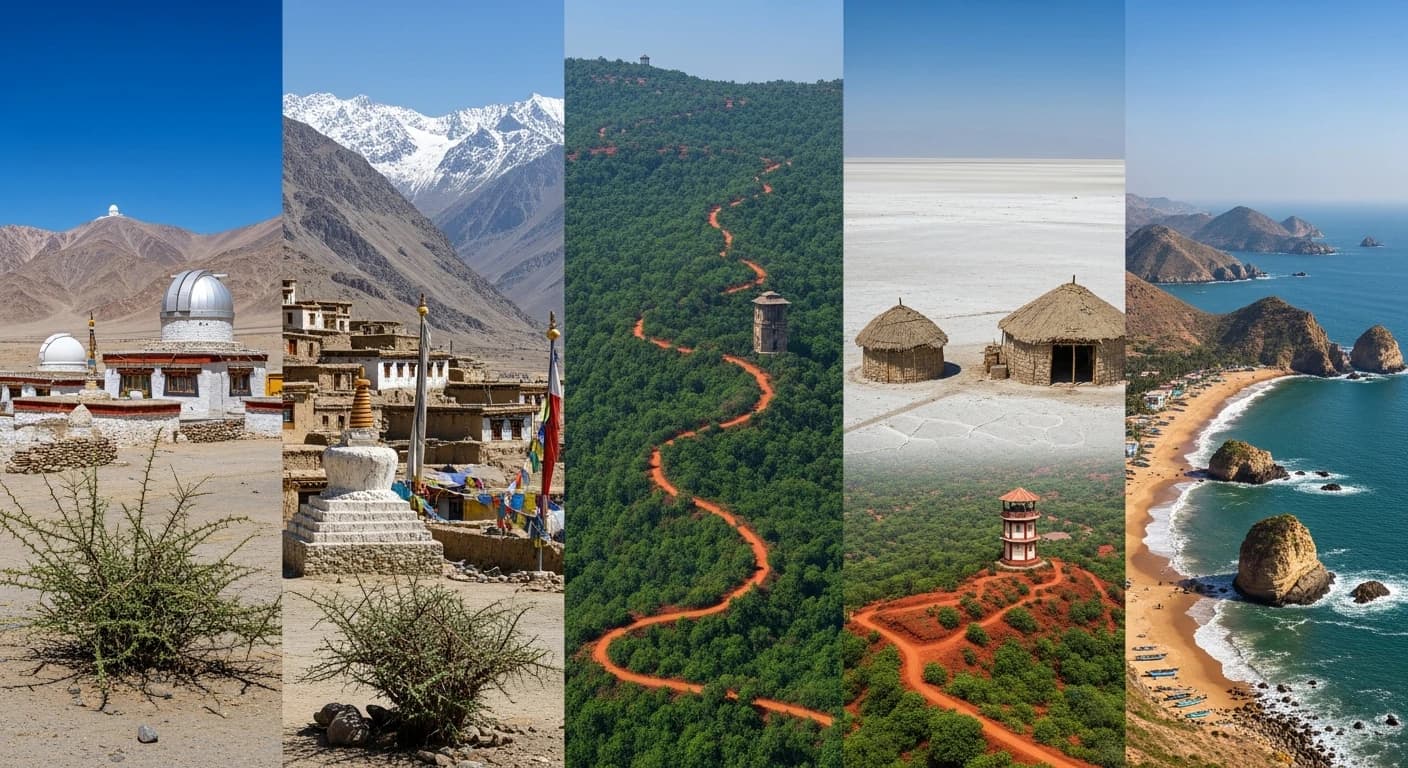
As someone who has always been fascinated by the night sky, I can tell you there’s nothing quite like escaping the glare of city lights and gazing up at a canvas sprinkled with countless stars. India, with its vast and varied landscapes, offers some incredible dark sky destinations perfect for astro-tourism. In 2026, if you’re looking to immerse yourself in the cosmos and capture the magic of the Milky Way, these top five spots are where you should head. I’ve personally explored each one, and I’m excited to share my experiences, travel tips, and practical advice to help you plan an unforgettable stargazing journey.
Outline
- Introduction
- Understanding Astro-Tourism and Dark Sky Locations
- Top 5 Dark Sky Destinations in India
- 1. Spiti Valley, Himachal Pradesh
- 2. Ladakh, Jammu & Kashmir
- 3. Rann of Kutch, Gujarat
- 4. Munnar, Kerala
- 5. Jaisalmer, Rajasthan
- Travel and Connectivity
- Accommodation Options
- Sightseeing and Experiences
- Local Food, Culture, and Lifestyle
- Cost Optimization and Practical Travel Planning
- Conclusion
Understanding Astro-Tourism and Dark Sky Locations
Astro-tourism is a niche yet rapidly growing segment of travel focused on experiencing the night sky in its purest form. Dark sky locations are areas with minimal light pollution, allowing the stars, planets, and celestial events to shine brightly. For me, the thrill of astro-tourism lies in the quiet, the vastness of the universe, and the chance to connect with something timeless. India’s diverse geography offers excellent spots where the night sky reveals its true beauty.
Top 5 Dark Sky Destinations in India
1. Spiti Valley, Himachal Pradesh
Spiti Valley is a remote cold desert nestled high in the Himalayas. When I visited, the air was crisp, and the night sky was a breathtaking spectacle. The valley’s altitude and sparse population mean almost zero light pollution. Stargazing here is an ethereal experience, with constellations, the Milky Way, and shooting stars clearly visible. To get here, I took a road trip from Manali, which is an adventure in itself, crossing high mountain passes.
2. Ladakh, Jammu & Kashmir
Ladakh is famous for its rugged beauty and clear skies. I found that places like Nubra Valley and Pangong Lake offer spectacular opportunities for astrophotography and night sky observation. The dry climate and high altitude contribute to excellent visibility. Ladakh is accessible by flight to Leh or by road from Manali or Srinagar, though the roads are seasonal.
3. Rann of Kutch, Gujarat
The vast salt marsh of the Rann of Kutch is not just a daytime wonder but also a stellar night sky destination. I stayed near Dhordo village during the Rann Utsav, and the open, flat landscape provided uninterrupted views of the stars. The full moon nights are particularly magical here. Accessibility is via Bhuj airport or road from Ahmedabad.
4. Munnar, Kerala
While Kerala is known for its lush greenery, Munnar’s high-altitude tea plantations and low light pollution make it a surprising dark sky spot. I experienced peaceful nights with clear star clusters and a chance to witness meteor showers. The drive from Kochi to Munnar is scenic and comfortable.
5. Jaisalmer, Rajasthan
The desert city of Jaisalmer offers a unique stargazing experience with its golden dunes and clear desert skies. I camped under the stars in the Thar Desert, where the sky felt endless. The city is well connected by train and air, making it an accessible yet offbeat astro-tourism destination.
Travel and Connectivity
Each destination has its own travel nuances. For Spiti and Ladakh, the best time to visit is from May to October, with road connectivity improving in summer. Flights to Leh and Kullu-Manali are convenient starting points. Rann of Kutch is best visited in winter during the Rann Utsav, accessible via Bhuj. Munnar is well connected by road from major Kerala cities, with Kochi International Airport nearby. Jaisalmer has daily trains and flights from Jaipur and Delhi, making it easy to combine with other Rajasthan tours.
Accommodation Options
From budget homestays to luxury resorts, these destinations cater to all travelers. In Spiti and Ladakh, I found cozy guesthouses and eco-friendly lodges ideal for budget travelers, while luxury camps and boutique hotels offer comfort for those seeking indulgence. The Rann of Kutch features desert camps with traditional decor, from budget tents to luxury glamping experiences. Munnar has a range of tea estate bungalows and resorts, and Jaisalmer offers desert camps and heritage hotels that blend local architecture with modern amenities.
Sightseeing and Experiences
Beyond stargazing, these regions offer rich cultural and natural experiences. In Spiti and Ladakh, monasteries, trekking, and local festivals enrich the visit. The Rann of Kutch showcases tribal culture and crafts during the Utsav. Munnar’s tea plantations, waterfalls, and wildlife sanctuaries provide daytime exploration. Jaisalmer’s forts, havelis, and desert safaris add historical and adventurous flavors.
Local Food, Culture, and Lifestyle
Sampling local cuisine is part of the journey. In the Himalayas, I enjoyed hearty Tibetan-influenced dishes like momos and thukpa. Kutch cuisine features spicy snacks and sweets unique to Gujarat. Kerala’s Munnar offers delicious South Indian fare with fresh spices, while Jaisalmer’s desert cuisine includes dal bati churma and sweet ghewar. Engaging with locals and understanding their lifestyle added depth to my travels.
Cost Optimization and Practical Travel Planning
Planning ahead can save costs. I recommend booking flights and accommodations early, especially for peak seasons and festivals. Public transport and shared taxis are budget-friendly options. Carrying essential gear like warm clothing and stargazing equipment enhances comfort. For photography enthusiasts, checking moon phases and weather forecasts ensures the best nights. Balancing budget stays with a few splurges on unique experiences made my trip memorable without breaking the bank.
Conclusion
Stargazing in India’s dark sky destinations is a soul-stirring experience I highly recommend for anyone seeking a break from urban chaos. Whether you choose the rugged Himalayas, the mystical desert, or the serene hills, these top five spots offer pristine skies and unforgettable memories. Pack your bags, prepare your camera, and get ready to lose yourself in the cosmos in 2026!