Introduction
Last year, I discovered a travel secret that changed the way I plan my trips to Southeast Asia. It’s called the "shoulder season," and for destinations like Singapore and Malaysia, it falls between March and May. This period is a sweet spot—just after the peak tourist rush and before the heavy monsoon rains—offering incredible savings, fewer crowds, and pleasant weather. In this blog, I’m excited to share why traveling to Singapore and Malaysia during March to May 2026 can save you up to 30%, and how you can make the most of this underrated time.
What is the Shoulder Season?
The shoulder season is the transitional period between a destination's high and low tourist seasons. Unlike the peak months when prices skyrocket and places get crowded, shoulder season offers a balance: good weather, manageable crowds, and budget-friendly rates. For Singapore and Malaysia, March to May is this golden window. After the New Year festivities and Chinese New Year rush, tourism dips, but the heavy rains typical of June to September haven’t arrived yet.
Travel and Connectivity
Getting to Singapore and Malaysia in the shoulder season is smooth and cost-effective. Flights from major Indian cities like Delhi, Mumbai, and Bangalore to Singapore’s Changi Airport or Kuala Lumpur International Airport are competitively priced during this period. I booked my tickets about two months in advance and saved nearly 25% compared to peak season fares. Airlines like Singapore Airlines, AirAsia, and Malaysia Airlines offer multiple daily flights, making connectivity convenient.
Once there, both countries boast excellent transport networks. Singapore’s MRT system is world-class—clean, efficient, and easy to navigate. Malaysia’s cities like Kuala Lumpur and Penang have reliable public transport, including trains, buses, and affordable ride-hailing services like Grab. Traveling between Singapore and Malaysia is straightforward via the Causeway or by budget-friendly buses and trains, perfect for exploring both countries in one trip.
Accommodation Options: From Budget to Luxury
One of the biggest perks of traveling in shoulder season is the accommodation savings. I stayed in Singapore’s vibrant Little India area at a boutique hotel that usually costs $150 per night but was available for $100. Malaysia’s Penang and Kuala Lumpur offered even better deals—charming guesthouses and mid-range hotels were up to 30% cheaper.
If you’re a luxury traveler, the shoulder season is your chance to indulge without the premium price tag. Iconic hotels like Marina Bay Sands in Singapore and The Datai Langkawi in Malaysia offer attractive packages and room upgrades during these months. For budget travelers, hostels and budget hotels are quieter and more affordable, making it easier to stretch your travel budget.
Sightseeing, Experiences, and Excursions
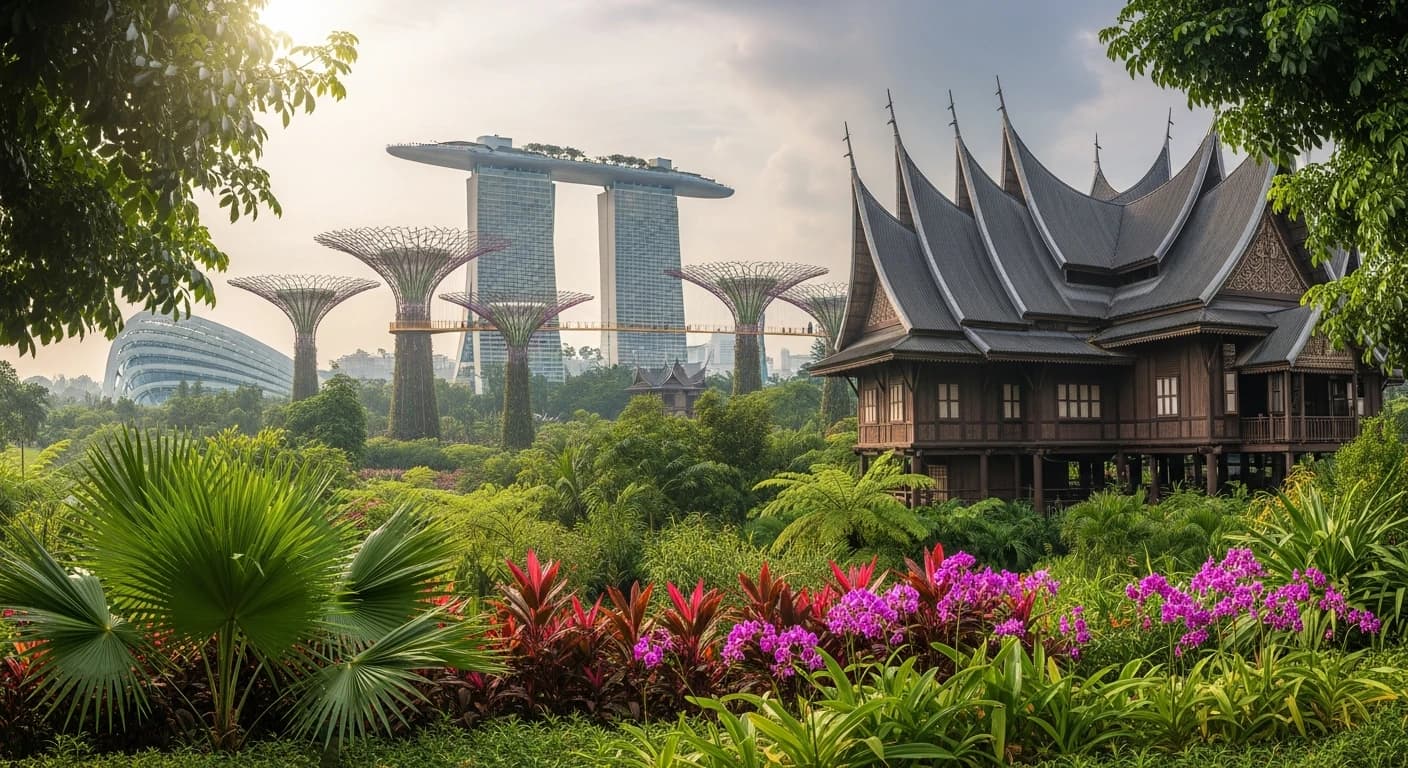
The shoulder season is perfect for sightseeing without the usual crowds. In Singapore, I enjoyed the Gardens by the Bay, Marina Bay Sands SkyPark, and Sentosa Island with shorter queues and more relaxed atmospheres. The weather was warm but not oppressively humid, allowing me to explore outdoor attractions comfortably.
Malaysia’s diverse offerings—from the UNESCO heritage streets of George Town in Penang to the bustling markets of Kuala Lumpur—were equally enjoyable. I took a day trip to the Batu Caves near KL, and the moderate weather made the climb much more pleasant. Langkawi’s beaches were serene, and I even managed to squeeze in a mangrove tour without the typical tourist rush.
March to May also coincides with several local festivals and cultural events, providing a rich immersion into local life. I caught the colorful Thaipusam festival in Malaysia, a spectacle of devotion and tradition that added depth to my journey.
Local Food, Culture, Lifestyle, and Transport
One of my favorite parts of traveling in shoulder season is indulging in local cuisine without the usual tourist crowds. Singapore’s hawker centers like Maxwell Food Centre and Lau Pa Sat were lively but not overcrowded, letting me savor dishes like Hainanese chicken rice, laksa, and chili crab at reasonable prices.
Malaysia’s food scene is a paradise for food lovers. From Penang’s street food stalls serving char kway teow and assam laksa to Kuala Lumpur’s night markets with satay and roti canai, the shoulder season meant I could enjoy these delights without long waits. The local lifestyle is relaxed during these months, and transport like buses and trains are less packed, making city exploration more comfortable.
Cost Optimization and Practical Travel Planning
Traveling in the shoulder season is a smart way to optimize your budget. Flights and hotels are cheaper, local transport is less crowded and more affordable, and attractions often offer discounted tickets. I recommend booking flights and accommodations about 6-8 weeks ahead to lock in the best prices.
To save further, consider combo city passes in Singapore that offer discounted entry to multiple attractions. In Malaysia, local tour operators often have shoulder season promotions for excursions like island hopping or cultural tours. Eating at local hawker centers and street stalls instead of restaurants also cuts costs without compromising on taste or authenticity.
Weather-wise, pack light rain gear and breathable clothing, as occasional showers can occur. Carry a reusable water bottle to stay hydrated in the tropical climate. Planning your itinerary to include indoor and outdoor activities ensures a smooth experience regardless of weather changes.
Conclusion
Traveling to Singapore and Malaysia in the shoulder season of March to May 2026 is a hidden gem for savvy travelers. I experienced beautiful weather, vibrant culture, delicious food, and world-class sights—all while saving around 30% compared to peak season travel. Whether you’re a budget explorer or a luxury seeker, this period offers the perfect blend of affordability, comfort, and adventure.
If you’re planning a Southeast Asia trip next year, consider the shoulder season secret. It transformed my travel experience, and I’m confident it will do the same for you.