
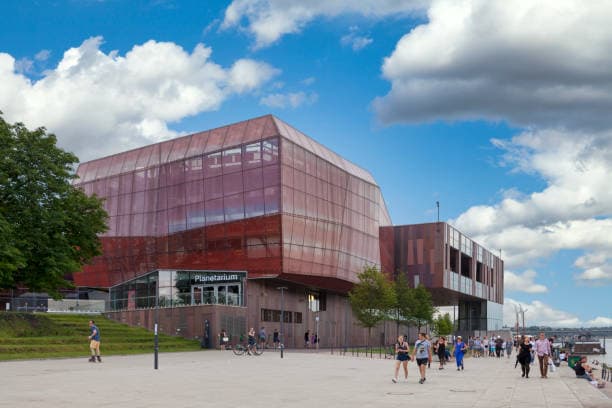
The Copernicus Science Centre (Centrum Nauki Kopernik) is a prominent science museum located in Warsaw, Poland. Named after the renowned astronomer Nicolaus Copernicus, the museum is dedicated to promoting scientific knowledge and providing interactive educational experiences. Here are key features and information about the Copernicus Science Centre:
-
Inception and Opening: The Copernicus Science Centre opened its doors to the public on November 5, 2010. It was established as part of efforts to enhance science education and engagement in Poland.
-
Location: The museum is located on the bank of the Vistula River, in the Powiśle district of Warsaw. Its modern and distinctive building is easily recognizable, and it has become a popular destination for both locals and tourists.
-
Mission: The primary mission of the Copernicus Science Centre is to inspire curiosity, creativity, and a passion for learning in the field of science. It aims to make science accessible and engaging for people of all ages.
-
Interactive Exhibits: The heart of the museum is its interactive exhibits, which cover a wide range of scientific disciplines, including physics, biology, chemistry, astronomy, and technology. Visitors are encouraged to explore and interact with hands-on exhibits that make scientific concepts fun and accessible.
-
Planetarium: The Copernicus Science Centre features a planetarium equipped with state-of-the-art technology. It offers immersive shows that explore the wonders of the cosmos, astronomy, and space exploration.
-
Experiment Zones: The museum is divided into various "zones," each dedicated to specific scientific themes. These zones include the Roots of Civilization, Humans and the Environment, Lightzone, Move It!, and more. Each zone provides a unique and engaging experience related to its theme.
-
Laboratories and Workshops: The Copernicus Science Centre offers workshops and laboratories where visitors can participate in hands-on experiments and activities under the guidance of educators and scientists.
-
Temporary Exhibitions: In addition to its permanent exhibits, the museum hosts temporary exhibitions that focus on specific scientific topics, discoveries, or technological advancements.
-
Educational Programs: The Copernicus Science Centre is actively involved in educational programs for schools, families, and educators. These programs are designed to complement formal education and promote a lifelong interest in science.
-
Public Events: The museum organizes public events, lectures, and discussions featuring experts and scientists. These events provide opportunities for the public to engage with current scientific research and advancements.
-
Accessibility: The exhibits and displays are designed to be accessible to people of all ages, making the Copernicus Science Centre a family-friendly destination.
-
Architectural Design: The building's architecture is noteworthy, with its modern and dynamic design. The transparent and airy structure contributes to the overall inviting and open atmosphere of the museum.
The Copernicus Science Centre has become a popular destination for school groups, families, and science enthusiasts. It has played a significant role in promoting science literacy and fostering a sense of wonder and curiosity about the natural world and scientific principles.