
Introduction
In recent years, my passion for travel has taken a transformative turn towards sustainability and eco-conscious choices. In 2026, sustainable travel isn't just a trend—it's a responsibility and a way to truly connect with the world around us. I’ve explored some of the best eco-friendly destinations, stayed at resorts that prioritize environmental stewardship, and crafted itineraries that respect local cultures and nature. Join me as I share my personal journey into sustainable travel, offering practical tips and inspiring experiences that will help you travel green without compromising on adventure or comfort.
Understanding Sustainable Travel and Its Importance
Sustainable travel means making thoughtful choices that reduce environmental impact, support local communities, and preserve cultural heritage. When I first embraced this mindset, I realized that every decision—from how I get there to where I stay and what I eat—matters deeply. It's about balancing wanderlust with responsibility, ensuring the places we love remain vibrant for future generations.
Travel and Connectivity: Getting There the Green Way
My sustainable journey began with choosing eco-friendly transportation. Flights are often unavoidable, but I now opt for airlines with carbon offset programs and newer, fuel-efficient aircraft. For shorter distances, I rely on trains and electric buses whenever possible. For example, traveling through Europe by rail has been a delight—scenic routes, minimal emissions, and a chance to savor the landscapes. In destinations like Costa Rica and New Zealand, I rented hybrid or electric cars, reducing my carbon footprint while exploring remote areas.
Accommodation Options: From Budget to Luxury with a Green Heart
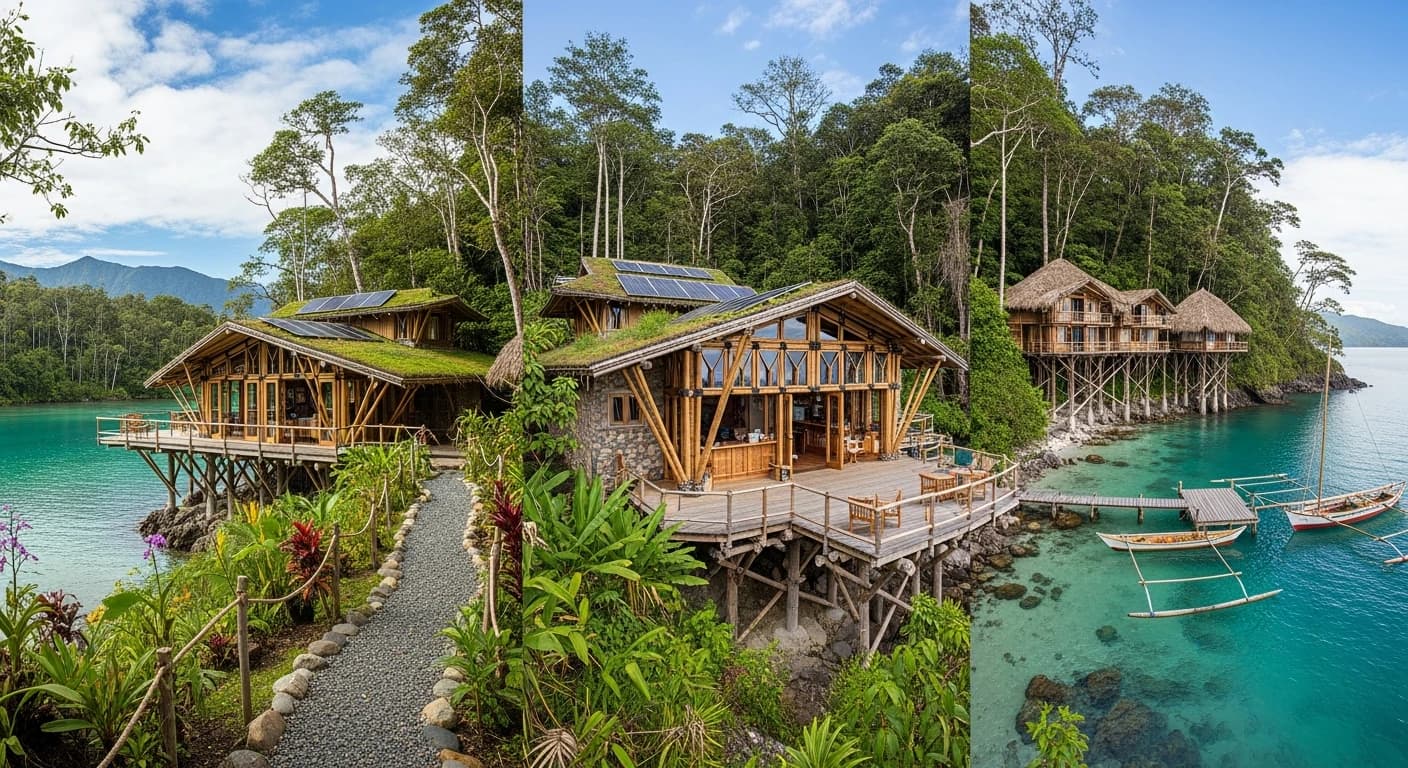
Accommodation plays a huge role in sustainable travel. I've experienced everything from cozy eco-lodges to luxurious resorts that run entirely on renewable energy. In Bali, I stayed at a boutique eco-resort that used solar power, recycled water, and served organic farm-to-table meals. On the budget side, I found charming guesthouses and hostels certified for sustainability, where local materials and energy-saving designs create a warm, responsible stay. For luxury travelers, places like the Six Senses resorts or The Brando in French Polynesia offer indulgence deeply intertwined with conservation efforts.
Sightseeing, Experiences, and Excursions: Immersive and Responsible
When exploring, I prioritize experiences that benefit the environment and local communities. Guided nature walks led by indigenous experts, wildlife sanctuaries focused on rehabilitation, and cultural tours that respect traditions have enriched my travels. In Iceland, I joined a glacier conservation project; in Kenya, a community-led safari ensured that tourism revenue supported local schools. Avoiding mass-tourism hotspots and opting for lesser-known trails not only preserved natural beauty but also provided authentic, meaningful encounters.
Local Food, Culture, Lifestyle, and Transport
One of the joys of sustainable travel is indulging in local flavors that are fresh, seasonal, and ethically sourced. I often seek out farmers' markets, street food stalls, and restaurants that champion organic produce and traditional recipes. In Italy’s Tuscany region, I savored meals made from ingredients grown just meters from the table. Using local transport like bicycles, electric tuk-tuks, or shared rides has allowed me to reduce emissions and interact with locals more intimately. Embracing local customs and supporting artisans by buying handmade crafts has deepened my appreciation for the places I visit.
Cost Optimization and Practical Travel Planning
Sustainable travel doesn’t have to break the bank. I’ve learned to plan smartly—booking well in advance, traveling off-season, and choosing accommodations with both eco-certifications and good value. Many eco-resorts offer discounts for longer stays or volunteer programs where you can exchange work for lodging. Using apps that track carbon footprints and suggest greener options has been invaluable. Prioritizing quality over quantity, I focus on fewer destinations but richer experiences, which often costs less and leaves a lighter environmental impact.
Top Eco-Friendly Destinations for 2026
From my travels, these destinations stand out for their commitment to sustainability and unforgettable experiences:
- Costa Rica: A pioneer in eco-tourism, offering lush rainforests, wildlife sanctuaries, and eco-lodges powered by renewable energy.
- New Zealand: Known for its pristine landscapes and conservation efforts, with eco-certified accommodations and green transport options.
- Bhutan: Emphasizing Gross National Happiness and environmental preservation, Bhutan offers sustainable trekking and cultural immersion.
- Scandinavia (Norway, Sweden, Denmark): Leaders in green technology, with cities designed for biking, clean energy, and eco-friendly hotels.
- Slovenia: Europe’s green gem, with sustainable wine tours, organic farms, and protected natural parks.
My Sustainable Travel Itinerary Sample: 10 Days in Costa Rica
Day 1-3: Arrive in San José; transfer by electric shuttle to Monteverde Cloud Forest Reserve. Stay at an eco-lodge powered by solar energy. Guided night walks to observe wildlife.
Day 4-6: Move to Arenal Volcano area by hybrid car. Enjoy hot springs heated naturally, visit organic farms, and participate in tree planting activities.
Day 7-10: Head to the Pacific coast’s Osa Peninsula. Stay with a community-run eco-resort. Snorkeling in coral reefs, bird watching, and cultural exchange with local indigenous groups.
Final Thoughts: Embracing a Greener Way to Explore
Sustainable travel has transformed how I see the world. It’s not just about ticking off destinations but about leaving a positive footprint, fostering connections, and preserving the magic of our planet. Whether you’re a seasoned traveler or just starting, embracing eco-friendly practices enriches every journey. In 2026, let’s travel smarter, tread lighter, and experience the world in its most authentic, beautiful form.