
Introduction
As the world becomes increasingly conscious of environmental impacts, sustainable travel options are gaining momentum. One of the most promising developments in this area is the rise of electric and green buses for intercity travel. These eco-friendly vehicles offer a cleaner, quieter, and more efficient alternative to traditional diesel-powered buses. In this article, we will explore the potential of electric and green buses to revolutionize intercity travel, making it more sustainable and enjoyable for travelers worldwide.
The Rise of Sustainable Travel
The concept of sustainable travel focuses on minimizing the negative effects of tourism and transportation on the environment, while enhancing the experience for travelers. Sustainable travel encourages the use of renewable energy, reduction of carbon emissions, and preservation of natural resources. Intercity travel, which often involves long distances and high passenger volumes, is a significant contributor to carbon emissions. This is where electric and green buses come into play as a viable solution.
What Are Electric and Green Buses?
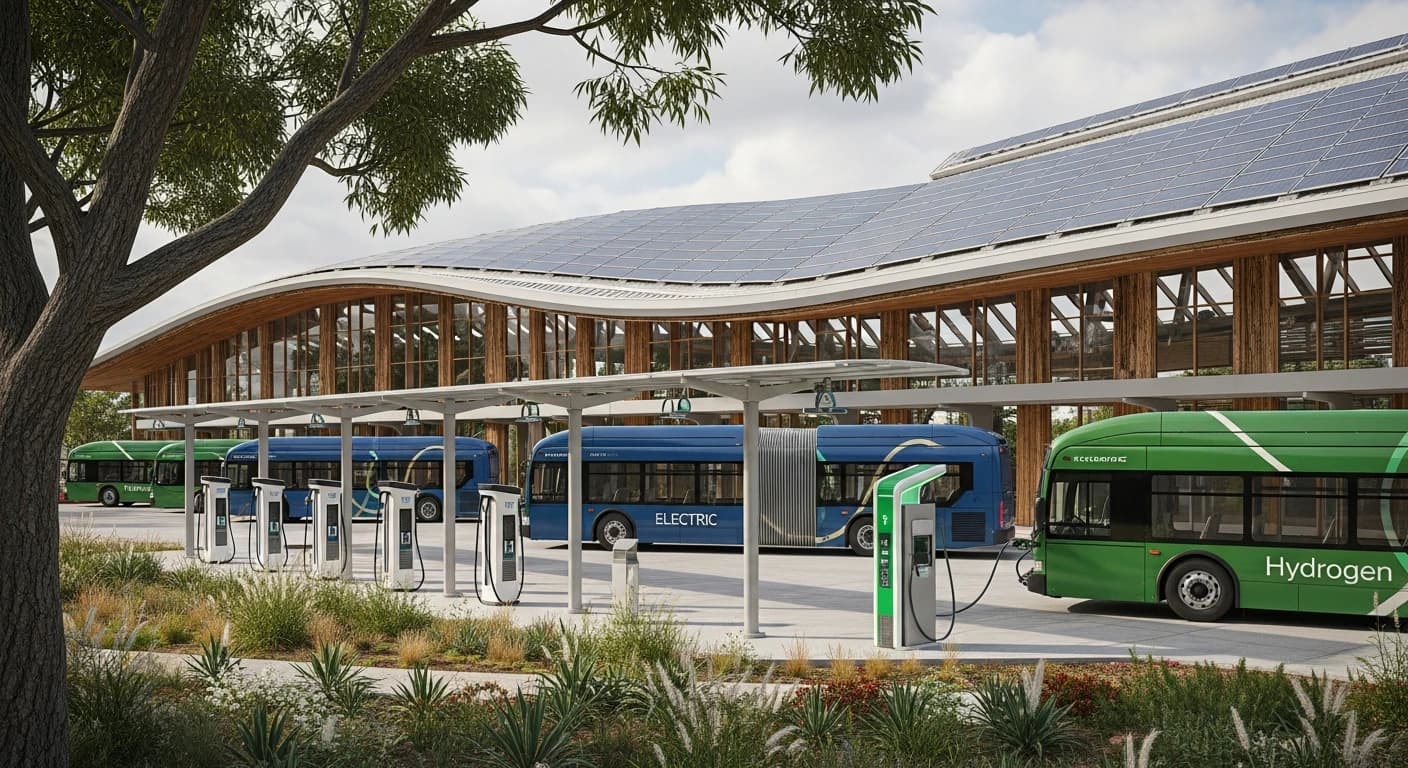
Electric buses are powered entirely by electricity stored in batteries, which means they produce zero tailpipe emissions. Green buses may include electric buses but also hybrid models that combine electric motors with traditional fuel engines, or those powered by alternative fuels such as compressed natural gas (CNG) or hydrogen. Both types aim to reduce harmful pollutants and improve air quality.
Benefits of Electric and Green Buses for Intercity Travel
- Environmental Impact: Electric and green buses drastically reduce greenhouse gas emissions compared to diesel buses. This helps combat climate change and improves air quality in urban and rural areas alike.
- Cost Efficiency: Although the initial investment in electric buses can be higher, their operating costs tend to be lower due to cheaper electricity compared to diesel fuel and reduced maintenance needs.
- Noise Reduction: Electric buses operate much more quietly, enhancing the comfort of passengers and reducing noise pollution along travel routes.
- Improved Passenger Experience: Modern electric buses often come equipped with advanced features like smoother rides, better air conditioning, and Wi-Fi connectivity, making long-distance journeys more pleasant.
Challenges to Overcome
Despite their advantages, electric and green buses face certain challenges before becoming the dominant choice for intercity travel. These include:
- Charging Infrastructure: Establishing widespread and fast charging stations along intercity routes is essential for smooth operations.
- Range Limitations: Battery capacity affects how far electric buses can travel on a single charge, which can be a concern for longer routes.
- Initial Investment: Higher upfront costs for electric buses and infrastructure can deter some operators.
Addressing these challenges requires collaboration between governments, manufacturers, and transport operators to invest in technology and infrastructure.
Case Studies: Electric and Green Buses in Action
Several countries and regions have already started integrating electric and green buses into their intercity travel systems. For example, some European countries have launched electric bus corridors connecting major cities, while parts of Asia are adopting hybrid buses powered by cleaner fuels. These initiatives demonstrate the feasibility and benefits of sustainable travel using electric and green buses.
Impact on Tourism
For tourists, sustainable travel options like electric and green buses offer a way to explore new destinations responsibly. Traveling between cities on eco-friendly buses reduces the carbon footprint of the trip and supports local efforts to protect the environment. Additionally, the quiet and comfortable nature of these buses enhances the overall travel experience, making journeys more relaxing and enjoyable.
Future Outlook
The future of intercity travel is likely to be shaped by continued advancements in electric vehicle technology and increased environmental awareness. As battery technology improves, ranges will extend, and charging times will decrease, making electric buses more practical for longer routes. Governments are also expected to introduce incentives and policies that encourage the adoption of green transportation options.
In conclusion, Sustainable Travel: Will Electric & Green Buses Become the Future of Intercity Travel? is a question that reflects a growing trend towards eco-friendly transportation. With their numerous benefits and ongoing improvements, electric and green buses have the potential to become the cornerstone of sustainable intercity travel, offering a cleaner, quieter, and more efficient way to connect cities and travelers worldwide.