
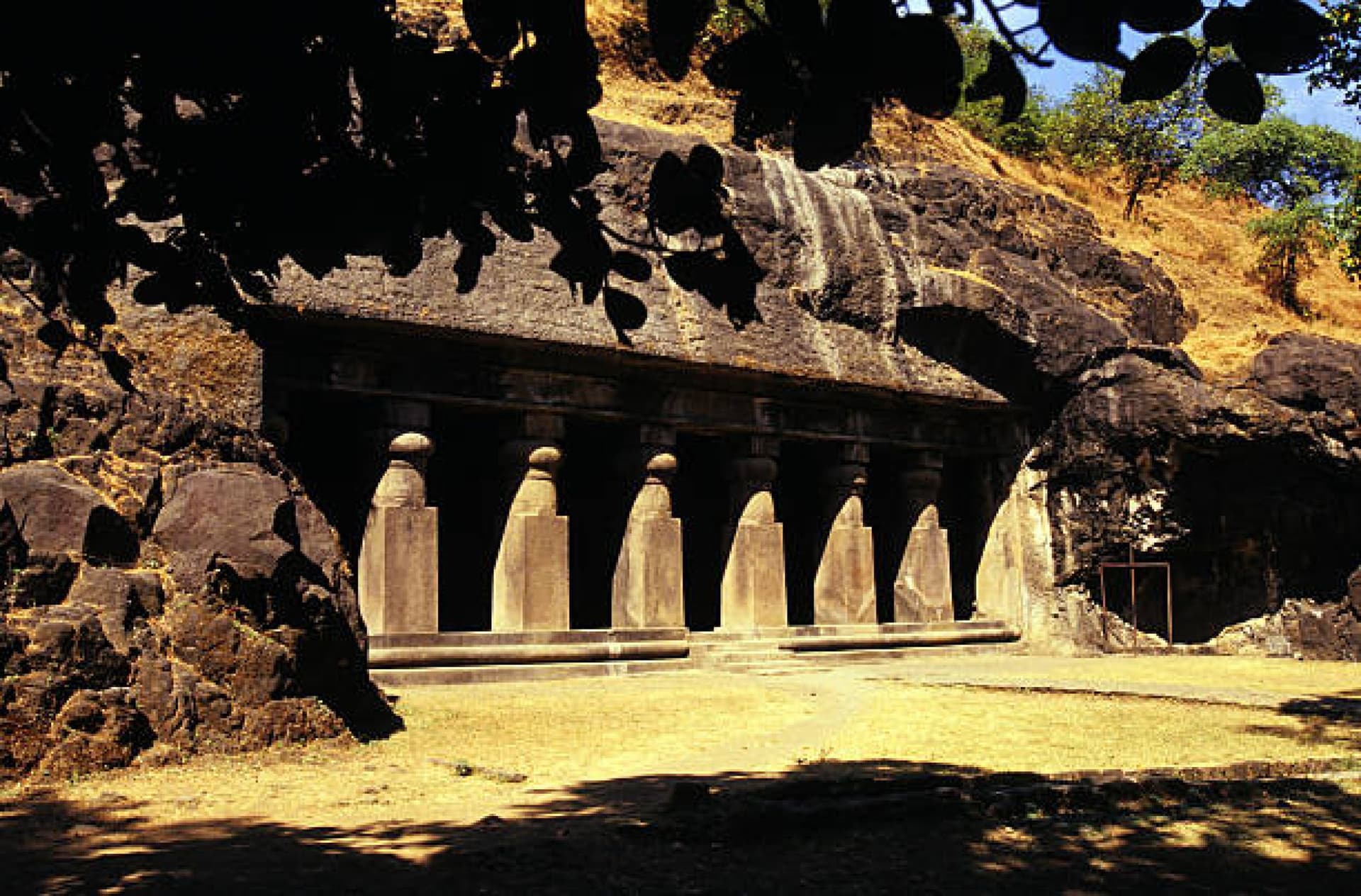
The Elephanta Caves are a UNESCO World Heritage Site and a historic archaeological site located on Elephanta Island in Mumbai Harbor, Maharashtra, India. Here are some key features and information about the Elephanta Caves:
-
Location: The Elephanta Caves are situated on Elephanta Island, also known as Gharapuri, which means the "City of Caves." The island is approximately 10 kilometers east of Mumbai.
-
Accessibility: Visitors can reach Elephanta Island by taking a ferry from the Gateway of India in Mumbai. The ferry ride offers scenic views of Mumbai Harbor, and the journey takes about an hour.
-
Historical Significance: The Elephanta Caves date back to the 5th to 7th centuries and are believed to have been created during the rule of the Kalachuri dynasty. The caves are dedicated to Lord Shiva and are considered an important Hindu religious site.
-
Cave Architecture: The Elephanta Caves consist of a group of rock-cut caves, primarily carved out of solid basalt rock. The main cave, also known as the Great Cave or Cave 1, is the most elaborate and features a large sculpted Trimurti, depicting the three aspects of Lord Shiva – Brahma, Vishnu, and Mahesh (Shiva).
-
Trimurti Sculpture: The Trimurti sculpture in the main cave is a significant and iconic representation of Lord Shiva in his three forms, each representing a different aspect of the cosmic cycle of creation, preservation, and destruction.
-
Other Caves: In addition to the main cave, there are several smaller caves on the island, each with its own set of sculptures and carvings. These caves are numbered and include Cave 2, Cave 3, and so on.
-
Shiva Lingam: The main cave houses a prominent Shiva Lingam, a symbolic representation of Lord Shiva. The Lingam is the central object of worship in the cave.
-
Ardhanarishvara Sculpture: One of the notable sculptures in the Elephanta Caves is that of Ardhanarishvara, a depiction of Lord Shiva in a composite form with both male and female attributes, symbolizing the unity of opposites.
-
Columns and Pillars: The caves are adorned with intricately carved columns and pillars, showcasing skilled craftsmanship. The carvings depict various mythological scenes, figures, and deities.
-
UNESCO World Heritage Site: The Elephanta Caves were designated as a UNESCO World Heritage Site in 1987, recognizing their cultural and historical significance.
-
Cultural and Religious Importance: The Elephanta Caves hold cultural and religious importance, attracting pilgrims, tourists, and scholars interested in Indian art and architecture.
-
Light and Sound Show: Elephanta Island offers a light and sound show in the evenings, providing visitors with an immersive experience that narrates the history and legends associated with the caves.
-
Conservation and Restoration: Efforts have been made to conserve and restore the Elephanta Caves, and ongoing preservation work aims to protect the sculptures and structures from environmental factors.
Visiting the Elephanta Caves provides a unique opportunity to explore ancient rock-cut architecture and gain insights into Hindu mythology and religious practices. The site stands as a testament to India's rich cultural heritage and artistic traditions.