
Introduction
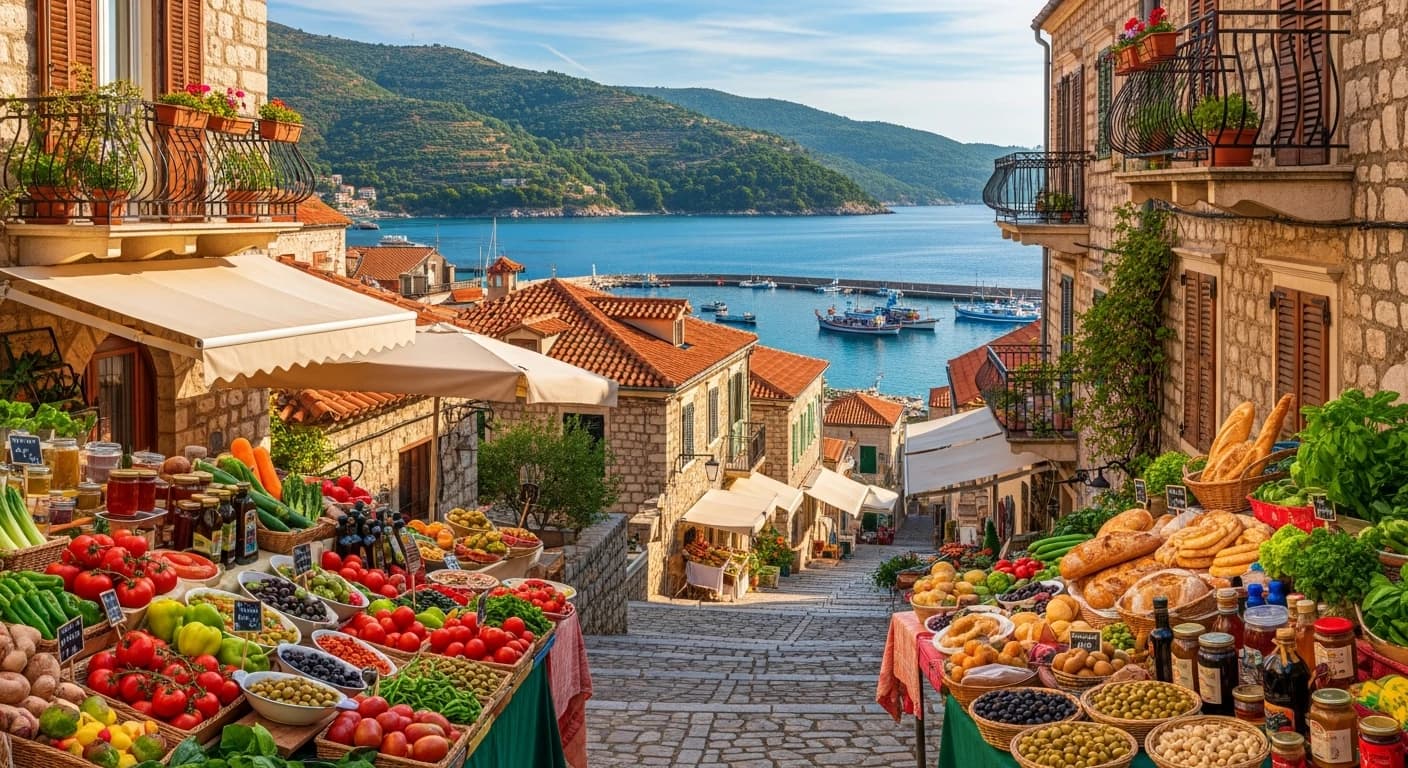
In 2026, travel is no longer just about ticking off landmarks or lounging on beaches. I’ve noticed a powerful shift where culinary and experiential travel are taking center stage, transforming how we explore the world. This new wave isn’t just about sightseeing; it’s about savoring every bite, immersing in local traditions, and crafting memories that engage all your senses. Join me as I share my journeys and insights into how these trends are redefining global itineraries, making travel richer, deeper, and more meaningful.
The Rise of Culinary Travel: A Feast for the Senses
When I first ventured into culinary travel, it felt like unlocking a secret doorway to a destination’s soul. Food is culture in its most delicious form, and in 2026, travelers crave authentic gastronomic experiences more than ever. From street food tours in Bangkok to farm-to-table dinners in Tuscany, culinary travel offers a taste of local life that traditional sightseeing can’t match.
Connectivity has played a huge role here. With improved flight routes and regional airlines expanding, reaching food-centric destinations is easier and more affordable. For example, low-cost carriers now link cities like Mexico City and Oaxaca, known for their vibrant food scenes, making these hotspots accessible for all budgets.
Experiential Travel: Beyond the Surface
Experiential travel is about diving deep into local culture and lifestyle. On my recent trip to Japan, instead of just visiting temples, I joined a tea ceremony in Kyoto, learning the art and patience behind every movement. These immersive experiences foster genuine connections with locals and provide stories that last a lifetime.
In 2026, travel itineraries increasingly include hands-on workshops, cultural festivals, and eco-tourism adventures. Whether it’s cheese-making in France, traditional weaving in Peru, or wildlife conservation in South Africa, these activities enrich your journey far beyond sightseeing.
Travel and Connectivity: Making It All Possible
Advancements in global connectivity are pivotal in supporting this shift. Airlines have expanded direct routes to secondary cities, reducing travel times and opening up new culinary and cultural hubs. High-speed trains and improved local transport also make multi-destination experiential itineraries feasible without excessive travel fatigue.
For instance, Europe’s rail network allows me to hop from Barcelona’s tapas bars to Lyon’s Michelin-starred kitchens within hours. Similarly, in Asia, bullet trains connect Tokyo’s urban vibrancy with the rural charm of Kanazawa’s food markets seamlessly.
Accommodation Options: From Budget Stays to Luxury Retreats
Travelers embracing culinary and experiential travel have diverse accommodation needs. I’ve stayed in everything from cozy homestays where I shared meals with host families, to luxury resorts offering curated food and cultural programs.
Budget travelers can find guesthouses near local markets or join community-run lodges that provide authentic experiences without breaking the bank. On the luxury end, boutique hotels and resorts now offer immersive packages—like cooking classes with celebrity chefs or guided cultural excursions—blending comfort with authenticity.
Sightseeing, Experiences, and Excursions: Crafting Unique Itineraries
In 2026, a typical itinerary I craft includes a balance of iconic sights and experiential activities. For example, in Italy, I combine visits to historical landmarks with pasta-making classes in small villages. In Morocco, I explore medinas by day and enjoy traditional cooking workshops by night.
Excursions are no longer passive tours but participatory adventures. Food markets, artisan workshops, and local festivals serve as vibrant platforms to engage with culture firsthand. This approach transforms travel from observation to involvement.
Local Food, Culture, Lifestyle, and Transport: Embracing Authenticity
Eating local is my favorite way to connect with a destination’s culture. Whether it’s sampling street food in Hanoi or dining in a family-run trattoria in Rome, food tells stories of history, geography, and people.
Understanding local transport also enhances the experience. Using tuk-tuks in Thailand or cycling through Amsterdam’s neighborhoods allows me to move at a local pace, discovering hidden gems along the way. This authenticity enriches every meal and interaction.
Cost Optimization and Practical Travel Planning
While culinary and experiential travel might sound indulgent, it can be surprisingly budget-friendly with smart planning. I recommend booking local experiences directly through community platforms, traveling in shoulder seasons to avoid crowds and inflated prices, and mixing street food with occasional fine dining.
Using multi-city flight tickets and regional low-cost airlines can reduce travel expenses significantly. Also, accommodations like Airbnb or guesthouses near markets offer both savings and immersion opportunities. Planning ahead and prioritizing experiences over material souvenirs maximizes value.
Conclusion
As I reflect on my travels in 2026, it’s clear that culinary and experiential travel have revolutionized how we explore the world. These journeys go beyond sightseeing—they invite us to taste, touch, and live the essence of each destination. With improved connectivity, diverse accommodations, and a wealth of immersive activities, crafting personalized, enriching itineraries has never been easier or more rewarding.
Whether you’re a seasoned traveler or planning your next adventure, embracing this trend can transform your trips into unforgettable stories. So pack your bags, keep your palate curious, and prepare to experience the world in a way that feeds your soul as much as your appetite.