
Introduction
When I first dreamed of visiting Japan, I imagined it as an extravagant, far-off destination accessible only to the wealthy. But after extensive planning and firsthand experience, I realized that a luxury trip to Japan is very much possible on a middle-class Indian budget—especially in 2026 with evolving travel options and smart budgeting. In this guide, I will share my personal journey and tips on how to plan a Japan tour package from India that balances comfort, culture, and cost efficiency without sacrificing the luxury experience.
Understanding Travel and Connectivity from India to Japan
My journey began with researching flights—one of the largest expenses on international trips. Direct flights from major Indian cities like Delhi, Mumbai, and Bengaluru to Tokyo or Osaka are available through airlines such as Air India, Japan Airlines, and ANA. Booking 2-3 months in advance, especially during off-peak seasons like late spring or early autumn, helped me secure return tickets for around ₹40,000 to ₹50,000. Another cost-saving tip is considering one-stop flights via Middle Eastern hubs like Dubai or Doha, which sometimes offer cheaper fares.
Upon arrival, I purchased a Japan Rail Pass (JR Pass) for 7 days, which was a game-changer for travel within Japan. It gave me unlimited access to Shinkansen bullet trains and local JR lines, saving both money and time. The JR Pass can be bought online before departure or at select airports in Japan, but buying it in India beforehand often provides better deals.
Accommodation Options: From Budget to Luxury
I stayed in a mix of accommodations to balance luxury and budget. In Tokyo, I booked a business-class hotel in Shinjuku—a bustling area with easy transit access. Hotels like Hotel Gracery Shinjuku offer modern amenities and comfort starting around ₹7,000 per night. For a taste of true Japanese luxury, I splurged on a ryokan (traditional inn) in Kyoto. Though pricier (₹15,000+ per night), the experience of tatami rooms, kaiseki meals, and onsen baths was unforgettable.
For budget nights, capsule hotels and guesthouses in Osaka and Hiroshima were surprisingly comfortable and cost-effective, often under ₹3,000 per night. Booking platforms like Booking.com and Agoda helped me compare prices and read reviews to ensure quality stays.
Sightseeing, Experiences, and Excursions
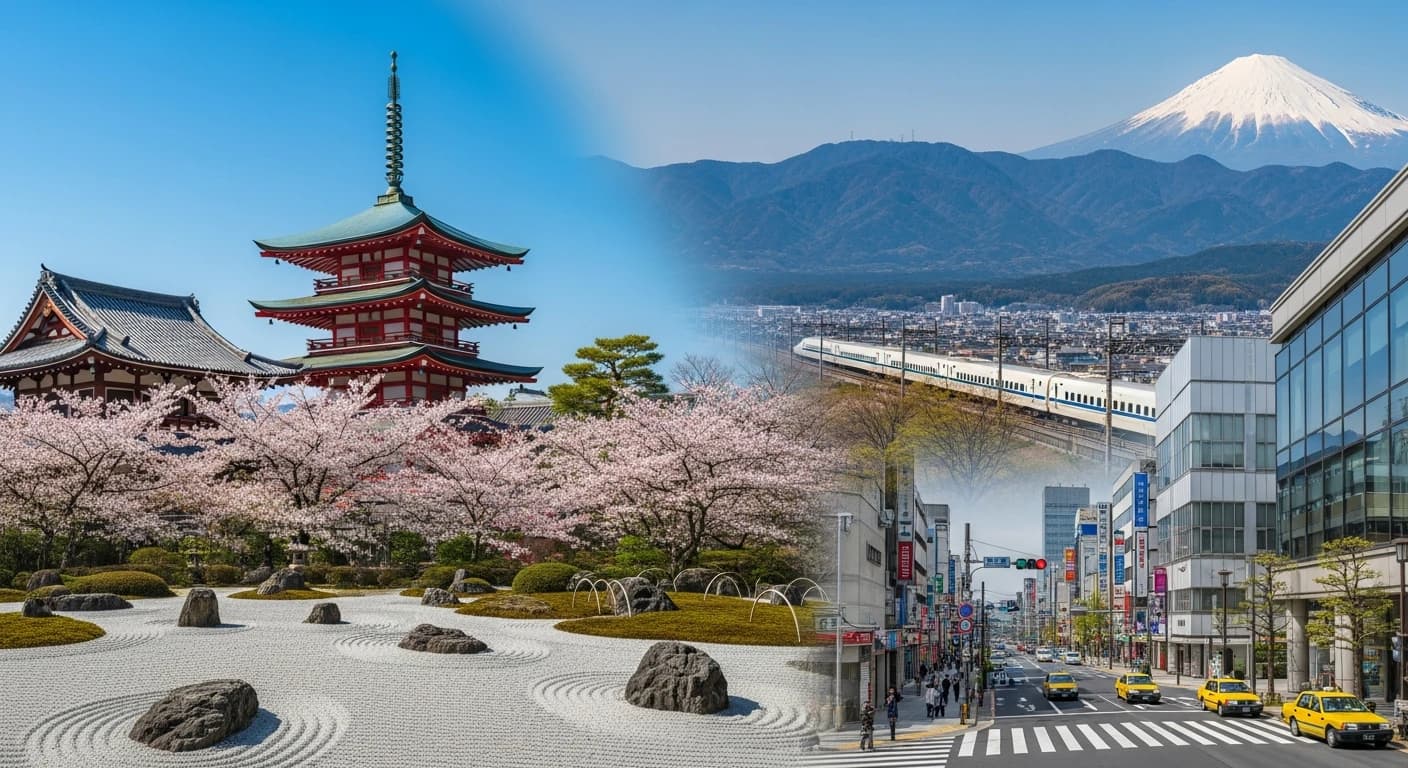
Japan’s blend of ultra-modern cities and serene nature captivated me. In Tokyo, I explored iconic spots like Shibuya Crossing, Meiji Shrine, and the futuristic Odaiba district. I also visited teamLab Borderless, a mesmerizing digital art museum that felt like stepping into another world.
Kyoto offered a peaceful contrast with its ancient temples, bamboo groves in Arashiyama, and the stunning Fushimi Inari Shrine with thousands of vermilion torii gates. I joined a guided tea ceremony, which deepened my appreciation for Japanese culture. A day trip to Nara to see the friendly deer and Todai-ji Temple was another highlight.
Hiroshima’s Peace Memorial Park and Miyajima Island’s floating torii gate were deeply moving experiences. I also took a scenic ride on the Shinkansen from city to city, marveling at Mount Fuji’s snow-capped peak from the train window.
Local Food, Culture, Lifestyle, and Transport
Japanese cuisine was a delightful adventure. From sushi and ramen to street snacks like takoyaki and taiyaki, I indulged in a variety of flavors. Convenience stores such as 7-Eleven and FamilyMart offered affordable and tasty meals, perfect for quick lunches or late-night snacks.
Understanding local etiquette enhanced every interaction. Bowing, removing shoes indoors, and polite communication are integral to Japanese culture. Public transport was impeccably clean, punctual, and safe—making it easy to navigate cities and towns. I used IC cards like Suica and Pasmo for seamless travel on trains and buses.
Cost Optimization and Practical Travel Planning
To keep costs manageable, I planned my itinerary around the JR Pass coverage and grouped sightseeing locations logically to avoid unnecessary travel. I booked flights and accommodations early and traveled during shoulder seasons to avoid peak prices.
Using apps like Hyperdia and Google Maps helped me plan routes efficiently. I also set a daily budget for food and souvenirs, balancing splurges with affordable meals and free attractions like parks and shrines.
Booking a Japan tour package from India through reputed travel agencies sometimes offered bundled deals including flights, hotels, and guided tours. However, I found that customizing my trip independently gave me more flexibility and savings.
Conclusion
Planning a luxury trip to Japan on a middle-class Indian budget in 2026 is absolutely achievable with the right research, timing, and smart choices. Japan’s seamless connectivity, diverse accommodation options, rich cultural experiences, and efficient transport system make it a rewarding destination for travelers like me who seek comfort without overspending.
With this guide, I hope you feel inspired and equipped to embark on your own unforgettable journey to Japan—where tradition meets innovation in the most beautiful way.