
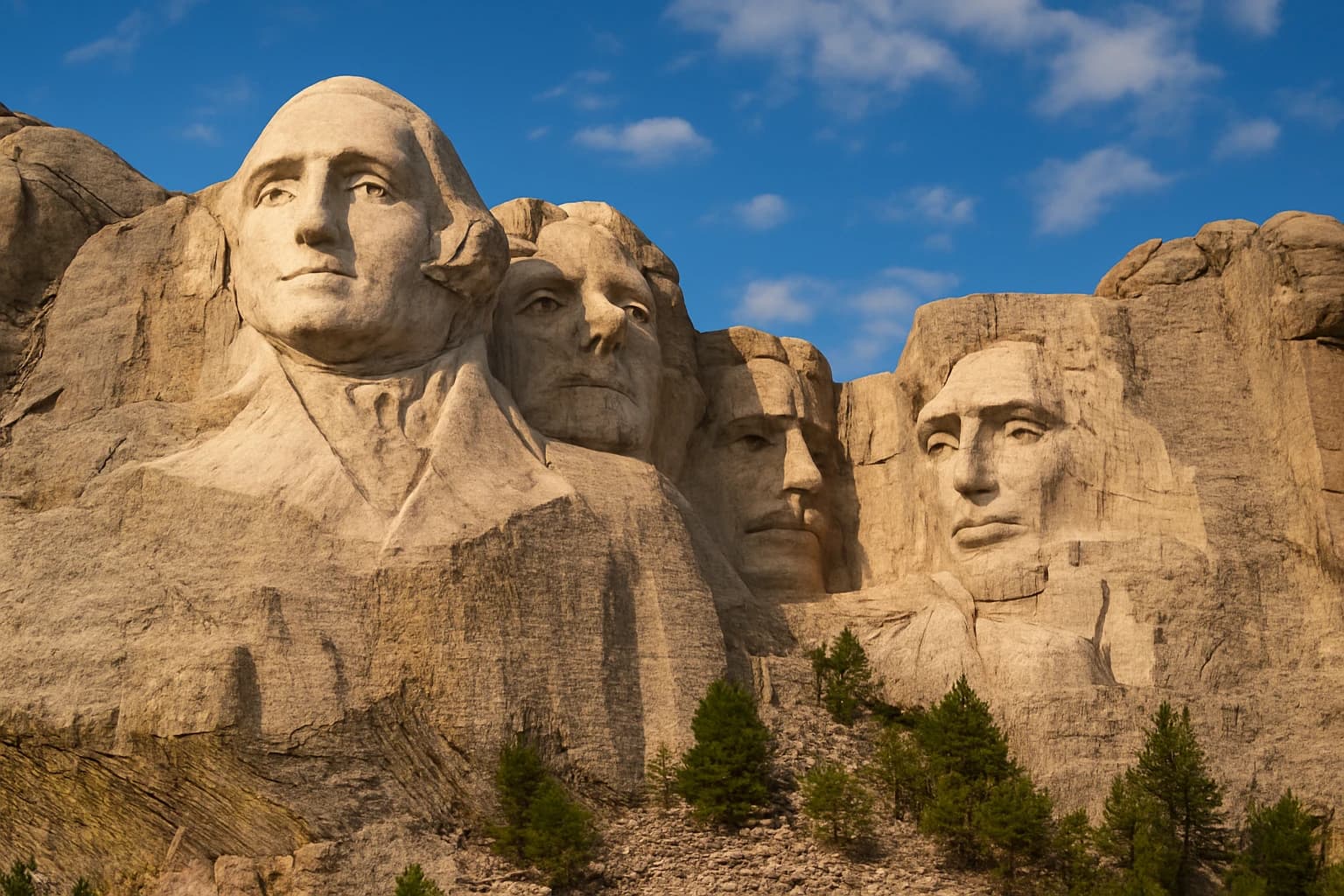
If you’re planning an American adventure, the page you're reading will guide you through one of the U.S. travel must-sees: the Mount Rushmore National Memorial. On this page we’ll cover where it is, what you can do there, how to make your visit smooth and memorable, and why it remains a top stop for travellers.
What is the Mount Rushmore National Memorial?
The Mount Rushmore National Memorial is an iconic monument carved into the granite face of the Black Hills in South Dakota. The massive sculpture features four U.S. presidents and has become a symbol of American travel and history. On this page we’ll use this site as a starting point to cover all you need to know for your visit.
Why Visit the Mount Rushmore National Memorial?
Visiting Mount Rushmore offers more than a photo op. The memorial combines natural beauty, striking sculpture, and a sense of place. When you land on this page you'll learn that the combination of mountain setting and monumental art makes it uniquely appealing.
You’ll get crisp canyon air, mixed forest terrain, and dramatic rockfaces. The Mount Rushmore National Memorial invites you to walk among trees, gaze at giants, and capture unforgettable moments.
Location & Access
The Mount Rushmore National Memorial is in the Black Hills region of South Dakota, USA. Its forested surroundings make the visit scenic long before you reach the carved faces. On this page we note that access is via well-maintained roads, visitor centres, and ample parking.
When you plan your trip, remember: the drive into the hills is part of the experience. The forest, the curves, the pines all build atmosphere before the monument appears.
Things to Do at Mount Rushmore National Memorial
On this page we highlight key experiences at the memorial:
1. Grand View Terrace & Sculptor’s Studio
Find your vantage point at the Grand View Terrace. Walk the Avenue of Flags. Visit the Sculptor’s Studio to learn how the carving was done. These parts of the memorial give layered context and great photo angles.
2. President’s Trail
Take the walking trail below the monument. This path offers closer views of the carving, the surrounding granite cliff, and natural ledges. On this page we’ll mention that the trail adds scenic nature to the monument visit.
3. Evening Lighting Ceremony
At dusk, the memorial often hosts lighting or programme events (seasonal). Arrive early and bring something warm—hill-top evenings can get cool. On this page we stress the shareable moment of the illuminated monument.
4. Visitor-Centre Museum & Gift Shop
Learn about the artists, the land, the stone, and the effort that created the memorial. Also pick a keepsake. On this page we recommend arriving at opening time to avoid crowds.
Best Time to Visit
If you want to beat the crowds and enjoy moderate weather, the best time to visit the Mount Rushmore National Memorial is late spring (May) or early fall (September). The summer months can get busy. On this page we suggest morning visits for lighting and afternoon for photo clarity.
Travel Tips & Planning Advice
Here are travel-smart tips for visiting the Mount Rushmore National Memorial:
-
Arrive early in the day to find good parking and avoid tour-bus rush.
-
Wear comfortable walking shoes. The terrain around the memorial involves steps and sloped trails.
-
Bring layered clothing—mountain weather can shift quickly even in summer.
-
Use the visitor centre restrooms and water fountains before walking deeper into the site.
-
If you’re staying nearby, book lodging in advance—the Black Hills region fills up fast.
-
Capture your photo during “golden hour” (early morning or late afternoon) for better light on the faces.
Nearby Attractions to Extend Your Trip
If your plan includes the Mount Rushmore National Memorial, consider pairing it with these nearby highlights to make your trip richer:
-
Explore the neighboring woodland and forest roads for scenic drives.
-
Visit Custer State Park for wildlife, lakes and additional hiking trails.
-
Drive the Iron Mountain Road for characteristic Black Hills switchbacks and tunnels.
-
Spend a night in the region to watch the stars—away from city lights the sky is big and vivid.
Accommodation & Stay Options
When planning your stay around the Mount Rushmore National Memorial, you have a range of choices:
-
Motels and lodges near the Black Hills town hubs.
-
Cabin-style stays in the forest for a nature-immersed feel.
-
Campgrounds if you’re geared for outdoor nights.
On this page we emphasise that staying just outside the park area often gives both convenience and serenity.
Why This Memorial Still Matters
You might ask: why does the Mount Rushmore National Memorial matter today? On this page we point out that beyond the large faces in the stone, the site is a tribute to art, engineering, and the natural landscape. It combines human-made monumentality with mountain forest beauty. It’s a destination that brings scale, history and immersive travel together.
Sample Itinerary for a Day Trip
Here’s a sample day for the Mount Rushmore National Memorial:
-
08:00 AM: Arrive and park near the visitor centre.
-
08:30 AM: Visit the Sculptor’s Studio and browse exhibits.
-
09:00 AM: Walk the Avenue of Flags and head up to the Grand View Terrace.
-
10:30 AM: Hike the President’s Trail for a closer view.
-
12:30 PM: Picnic lunch or visit café.
-
14:00 PM: Drive the route around the monument for scenic angles.
-
17:00 PM: Return to enjoy the lighting ceremony or sunset photos.
On this page the itinerary gives a clear, manageable flow.
Final Thoughts
On this page we’ve guided you through the Mount Rushmore National Memorial—from arrival to viewpoints, from visit planning to photo tips. If your travel goals include meaningful experiences, mountain scenery and iconic scale, you can place this monument high on your list.
Use this page as your roadmap. Pack your camera, your curiosity and your sense of adventure. Visit the Mount Rushmore National Memorial and feel the impact of monument and mountain combined.