
Introduction
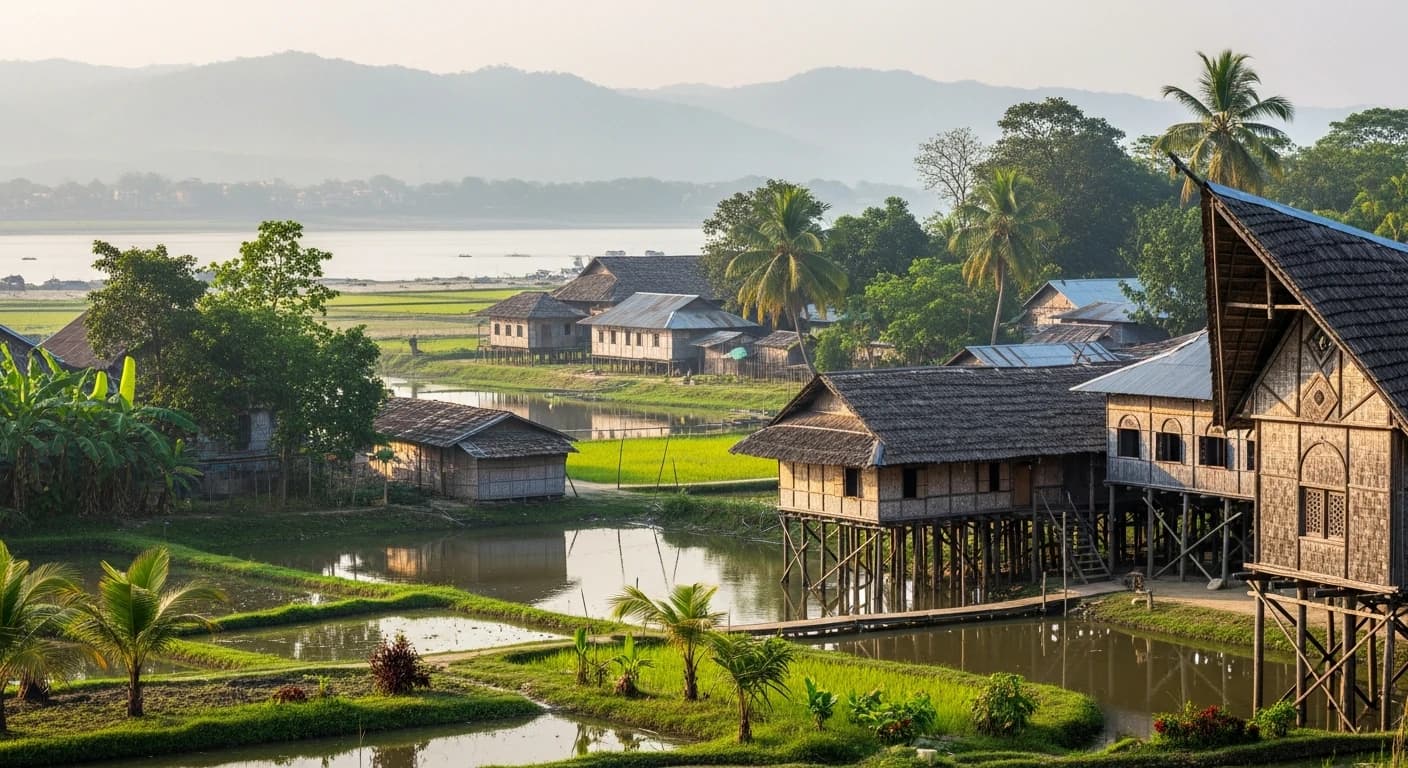
When I first set foot in the Northeast of India, I knew I had discovered something truly special. In 2026, the spotlight is shining brighter than ever on two gems of Assam: Jorhat and Majuli Island. These destinations are not just places on the map; they are experiences, rich with culture, nature, and history, beckoning travelers who seek an offbeat yet captivating journey. Join me as I unravel why Jorhat and Majuli Island have become India’s top trending destinations this year and how you can make the most of your visit.
Travel and Connectivity: Getting There with Ease
Reaching Jorhat is straightforward, making it an excellent gateway to explore Majuli Island. Jorhat Airport, also known as Rowriah Airport, connects the city to major hubs like Guwahati, Kolkata, and Delhi. I took a direct flight from Guwahati, which took just under an hour, making it a convenient start to my adventure.
From Jorhat, Majuli Island is accessible via a short ferry ride across the Brahmaputra River. The ferry service is regular and affordable, and the boat ride itself offers stunning views of the mighty river and lush greenery. For those who prefer road travel, Jorhat is well connected by road to other parts of Assam and neighboring states, with buses and taxis readily available.
Accommodation Options: From Budget Stays to Luxurious Retreats
During my trip, I found accommodation options in Jorhat catering to all budgets. For backpackers and budget travelers, guesthouses and homestays offer a warm welcome and authentic local experiences. I stayed at a charming homestay where the hosts shared stories about Assamese culture over breakfast.
If you prefer more comfort, Jorhat boasts several mid-range hotels with modern amenities and excellent hospitality. For a luxurious stay, there are boutique resorts on the outskirts of the city that provide serene environments with spa facilities and gourmet Assamese cuisine.
On Majuli Island, accommodation is more rustic but equally enchanting. Eco-resorts and community-run guesthouses allow you to immerse yourself in the island’s tranquil vibe while supporting sustainable tourism.
Sightseeing and Experiences: Diving Deep into Culture and Nature
Jorhat is often called the cultural capital of Assam, and rightly so. I spent my days exploring tea gardens that stretch as far as the eye can see. The experience of walking through these lush plantations and learning about Assam’s world-famous tea production was unforgettable.
The city’s historical sites, like the Tocklai Tea Research Institute and the Jorhat Gymkhana Club, offer glimpses into the colonial past and local heritage. I also visited the majestic Dhekiakhowa Bornamghar, a centuries-old prayer hall that reflects the spiritual fabric of the region.
Majuli Island, the world’s largest river island, is a paradise for nature lovers and culture enthusiasts alike. I was captivated by the island’s vibrant satras (Vaishnavite monasteries), where monks preserve traditional dance, music, and crafts. Participating in a Bhaona performance—a traditional Assamese theatrical play—was a highlight of my stay.
Nature here is equally mesmerizing. Majuli’s wetlands are home to migratory birds, and cycling around the island revealed hidden villages, handloom weavers, and scenic riverbanks perfect for photography.
Local Food, Culture, and Lifestyle: A Feast for the Senses
Assamese cuisine is a revelation. In Jorhat, I savored dishes like khar, pitha, and fresh river fish cooked with minimal spices, allowing natural flavors to shine. Street food stalls offered delightful snacks such as alu pitika and masor tenga, which I couldn’t resist trying.
The warmth of the people here is infectious. I found myself invited to local festivals and gatherings, where traditional music and dance brought the community together. The simple, slow-paced lifestyle contrasts beautifully with the hustle of city life, making it easy to unwind and connect with nature and people.
Transport within Jorhat is convenient with auto-rickshaws and shared taxis. On Majuli, bicycles and motorbikes are the preferred modes, allowing you to explore at your own pace and discover hidden gems.
Cost Optimization and Practical Travel Planning
Traveling to Jorhat and Majuli is surprisingly budget-friendly if planned well. Flights to Jorhat can be economical when booked in advance, especially during the off-peak season from April to September. Staying in homestays or guesthouses keeps accommodation costs low while offering authentic experiences.
Local transport is affordable, and ferry rides to Majuli are inexpensive. Eating at local eateries not only saves money but also provides a genuine taste of Assamese cuisine. I recommend carrying some cash, as digital payments may not be widely accepted on the island.
To make the most of your trip, I suggest spending at least three days: one in Jorhat to explore tea estates and cultural sites, and two on Majuli to fully absorb its natural beauty and rich traditions.
Final Thoughts: Why You Should Visit Jorhat and Majuli in 2026
My journey to Jorhat and Majuli Island was a soul-stirring experience that combined the best of culture, nature, and tranquility. In 2026, these destinations are emerging as must-visit places for travelers seeking something beyond the usual tourist trails. Whether you’re a nature enthusiast, culture seeker, or simply looking for a peaceful retreat, Jorhat and Majuli offer a unique blend that will leave you inspired and rejuvenated.
So pack your bags, embrace the charm of Northeast India, and discover why Jorhat and Majuli Island are the top trending destinations this year. I promise, this journey will stay with you long after you leave.