Introduction
Traveling to Nepal from India has always been a dream for me, and over the years, I’ve explored this beautiful Himalayan country multiple times. Each trip taught me something new about the best ways to travel, stay, and experience Nepal’s rich culture and stunning landscapes. One of the biggest questions I often get asked is whether to choose an overland journey or fly directly when booking a Nepal tour package from India. This decision can shape your entire travel experience, budget, and itinerary, so I want to share my personal insights and practical tips to help you make the right choice.
Understanding the Travel and Connectivity Options
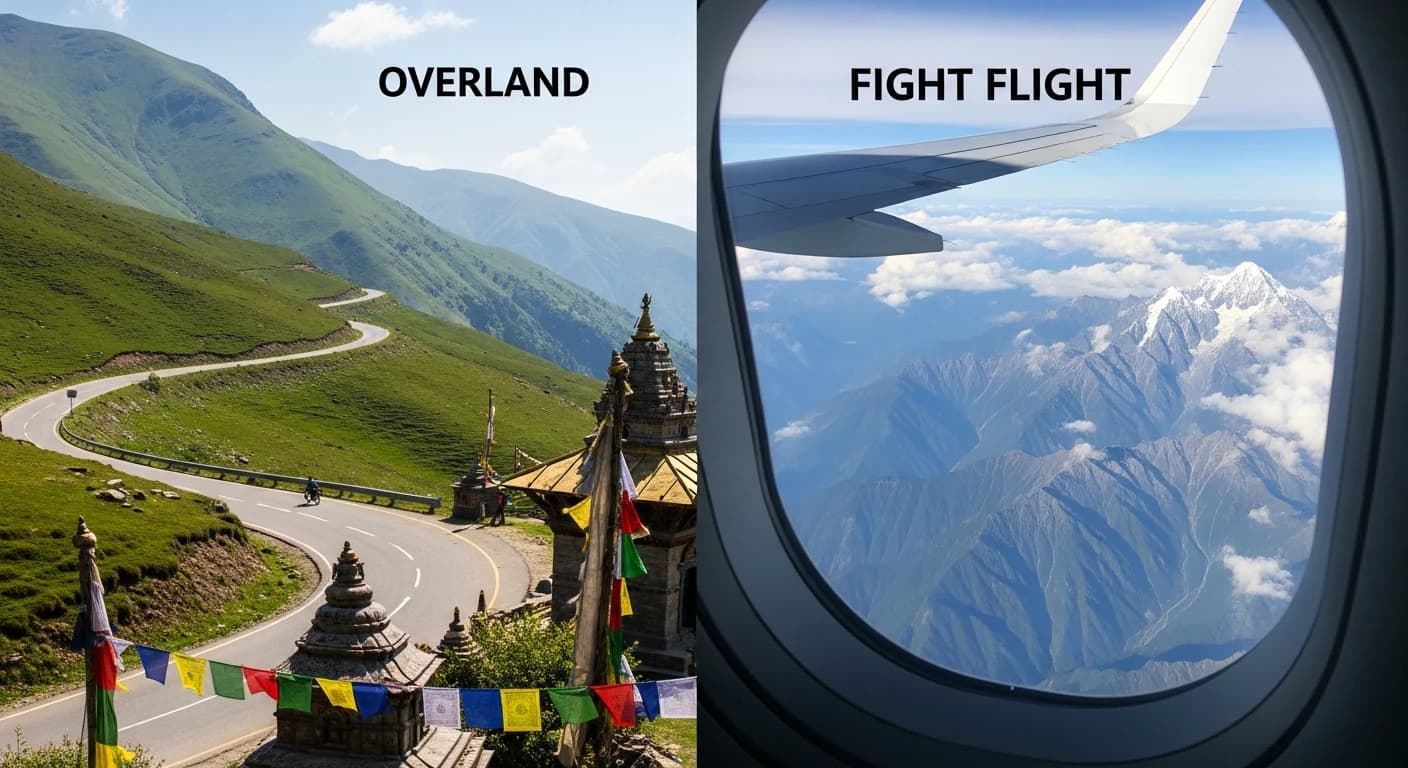
When traveling from India to Nepal, you essentially have two main options: traveling overland by road or taking a flight. Both have their unique advantages and challenges. Overland travel usually means crossing via popular border points like Sunauli (Uttar Pradesh to Nepal) or Raxaul (Bihar to Nepal). These routes are well-traveled, and you can experience local life, landscapes, and the thrill of a road trip. On the other hand, flights from major Indian cities like Delhi, Kolkata, or Varanasi to Kathmandu offer quick, hassle-free connectivity with stunning aerial views of the Himalayas.
Overland Travel: A Journey Through Landscapes and Culture
I remember my first overland trip to Nepal vividly. Starting from Gorakhpur, I took a bus to Sunauli border, crossed immigration smoothly, and then hopped onto a shared jeep to reach the lively city of Nepalgunj. The road journey gave me a chance to witness rural Indian and Nepali life up close – bustling markets, green fields, and friendly faces. Overland travel is definitely more economical, especially if you’re on a budget or want to include multiple stops along the way.
Accommodation options along the overland route are plentiful and varied. In border towns like Sunauli and Bhairahawa, you can find budget guesthouses charging as low as INR 500 per night. If you prefer comfort, there are mid-range hotels and resorts offering clean rooms and amenities for INR 1500 to INR 3000. For those who want luxury, cities like Pokhara and Kathmandu have boutique hotels and international chains, though these are typically reached after the overland journey.
Flight Travel: Speed and Convenience
Flying to Nepal is a completely different experience. I once took a morning flight from Delhi to Kathmandu, and within two hours, I was stepping into the heart of the Himalayas. The convenience of flying cannot be overstated, especially if you have limited time or prefer to avoid the unpredictability of road travel. Flights are frequent and operated by multiple airlines, and booking in advance often secures competitive prices.
Once you land in Kathmandu, you’ll find accommodation ranging from budget hostels (INR 700-1000 per night) to luxury hotels like Dwarika’s or Hyatt Regency, which offer world-class amenities and prices upwards of INR 10,000 per night. The city is a cultural hub with easy access to sightseeing, trekking, and excursions.
Sightseeing, Experiences, and Excursions
Whether you choose overland or flight, Nepal’s sightseeing options are vast. Kathmandu Valley itself is a treasure trove of UNESCO World Heritage Sites, ancient temples, and vibrant markets. I recommend spending at least two days here exploring Durbar Square, Pashupatinath Temple, and the lively Thamel district.
If you travel overland, you can combine your journey with visits to Lumbini, the birthplace of Buddha, or Chitwan National Park for a jungle safari. These destinations are easily accessible by road and offer a deeper cultural and natural experience.
For adventure enthusiasts, Pokhara is a must-visit for paragliding, boating on Phewa Lake, and trekking the Annapurna Circuit. Flights to Pokhara are also available, but overland travel gives you a scenic route through hills and villages.
Local Food, Culture, Lifestyle, and Transport
One of my favorite parts of traveling to Nepal is indulging in the local cuisine. From momos (dumplings) to dal bhat (lentil rice), the food is hearty and flavorful. Street food stalls and local eateries are affordable and authentic, especially in cities like Kathmandu and Pokhara. Overland travelers often get the added bonus of tasting cross-border delicacies along the way.
Local transport within Nepal includes taxis, shared jeeps, and buses. In cities, cycle rickshaws and scooters are common. For longer distances, tourist buses and private jeeps provide comfortable options. I always suggest pre-booking transport for popular routes during peak seasons to avoid last-minute hassles.
Cost Optimization and Practical Travel Planning
Budget is often the deciding factor between overland and flight options. Overland travel is generally cheaper, with bus and jeep fares costing a fraction of flight tickets. However, the longer travel time and occasional border delays can add to your overall journey duration.
Flights, while pricier, save time and reduce travel fatigue. Booking tickets 2-3 months in advance can secure good deals, especially during off-peak seasons (May to September). Combining flights with local overland travel within Nepal often provides the best balance of convenience and cost.
When choosing a Nepal tour package from India, consider what matters most to you: experience, time, comfort, or budget. Some packages offer hybrid options—fly into Kathmandu and then take overland tours to other parts of Nepal.
Final Thoughts: Choosing What Fits You Best
Reflecting on my journeys, I realize that both overland and flight travel to Nepal have their unique charms. If you’re an adventurous traveler who enjoys the journey as much as the destination, overland travel offers rich cultural immersion and cost savings. If convenience, speed, and comfort top your list, flying is the way to go.
Ultimately, selecting the right Nepal tour package from India depends on your personal preferences, travel style, and budget. I hope my experiences help you make an informed choice and inspire you to explore the breathtaking beauty of Nepal.
Happy travels!