
Introduction
Travel has been my passion for years, and I have always cherished the thrill of discovering new places and cultures. However, during my recent journeys in 2026, I noticed a growing tension in some of the world’s most beloved tourist destinations. This tension stems from a phenomenon known as overtourism, where the sheer volume of visitors overwhelms local communities, resources, and environments. In this blog, I want to take you through the overtourism backlash that’s unfolding globally, especially why locals are increasingly rising against tourism. I’ll share my personal experiences, practical travel tips, and insights into how we can travel responsibly while still enjoying these incredible places.
Understanding Overtourism: What It Means for Travelers and Locals
Overtourism occurs when too many tourists visit a place, causing negative impacts on the environment, infrastructure, and the daily life of residents. During my visit to popular hotspots like Venice, Barcelona, and Bali, I saw firsthand how crowded streets, overflowing waste bins, and strained public transport affect both locals and visitors. The charm of these places started to feel diluted under the pressure of mass tourism. This backlash is not just about inconvenience; it’s about preserving the identity and sustainability of destinations.
Travel and Connectivity: Navigating Popular Destinations in 2026
Despite the challenges of overtourism, connectivity has never been easier. High-speed trains, budget airlines, and improved digital infrastructure mean travelers can reach far-flung places quickly. For example, while visiting Amsterdam, I used the extensive cycling network and efficient public transport to avoid congested tourist buses. However, I also noticed that some cities have started limiting tourist numbers through permits or timed entries to popular sites, which is a positive step towards managing visitor flow.
Accommodation Options: From Budget to Luxury Amidst the Crowds
Finding accommodation in overtourism hotspots can be tricky. During my trip to Santorini, I found that luxury hotels often have better sustainability practices, such as waste management and energy efficiency, but come at a higher cost. On the other hand, budget travelers might rely on hostels or short-term rentals, which sometimes contribute to housing shortages for locals. I recommend booking accommodations that prioritize eco-friendly practices and support local communities, such as family-run guesthouses or certified green hotels.
Sightseeing, Experiences, and Excursions: Beyond the Beaten Path
To avoid contributing to overtourism, I sought out lesser-known attractions and local experiences. In places like Kyoto, instead of the crowded temples, I explored smaller shrines and traditional neighborhoods where I connected with residents and learned about local crafts. Participating in community-led tours and workshops not only enriched my travel experience but also helped redistribute tourism benefits more equitably. Many destinations now offer eco-tours and cultural exchanges that emphasize respect and sustainability.
Local Food, Culture, Lifestyle, and Transport: Immersing Responsibly
Food is a gateway to culture, and I made it a point to eat at local markets and family-owned eateries rather than tourist-heavy restaurants. For instance, in Mexico City, I enjoyed authentic street food and learned about indigenous ingredients from local vendors. Using public transport, walking, or cycling helped me reduce my carbon footprint and engage more deeply with everyday life. This approach also supports local economies and minimizes the negative impact of tourism-related traffic congestion.
Cost Optimization and Practical Travel Planning in the Era of Overtourism
Traveling responsibly doesn’t mean breaking the bank. I planned my trips during shoulder seasons when crowds are thinner and prices lower. Booking well in advance allowed me to secure better deals on flights and accommodations. I also used apps to find sustainable travel options and avoid overcrowded spots. By spreading my travel budget across experiences that benefit local communities, I felt my money made a positive impact. Sharing these tips with fellow travelers is essential to encourage mindful tourism.
Why Locals Are Rising Against Tourism in 2026
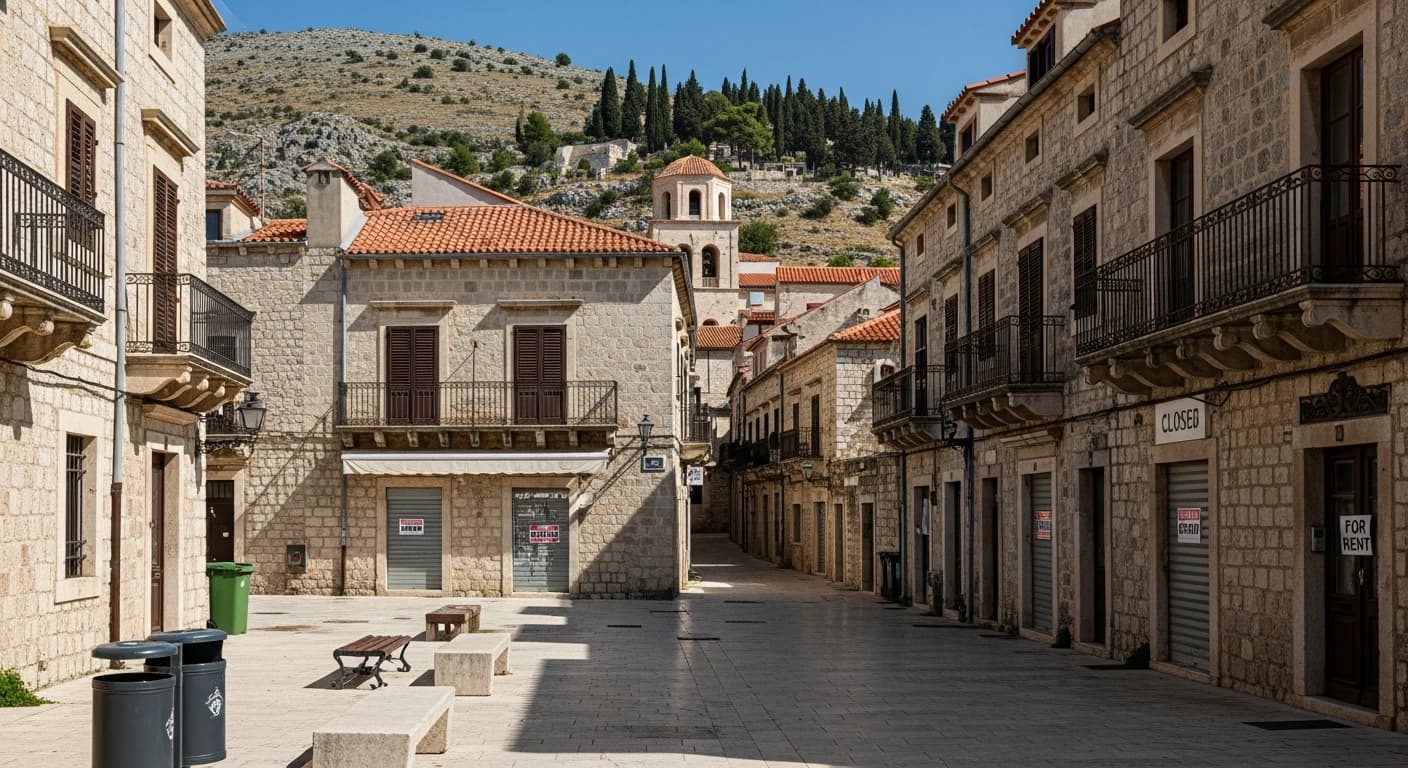
During my travels, I encountered many locals who expressed frustration with the negative effects of tourism on their daily lives. Rising rent prices, environmental degradation, and loss of cultural authenticity were common concerns. In cities like Barcelona and Dubrovnik, protests and petitions have become more frequent, demanding better regulation and respect from visitors. These movements are not anti-tourism but pro-sustainability, urging travelers to consider the long-term health of destinations and communities.
How Travelers Can Contribute to Positive Change
I believe every traveler has a responsibility to be mindful of their impact. Simple actions like choosing eco-friendly accommodations, respecting local customs, supporting small businesses, and avoiding peak times can make a significant difference. I encourage fellow explorers to research destinations thoroughly, embrace slower travel, and prioritize quality over quantity in their experiences. By doing so, we help ensure that the places we love remain vibrant and welcoming for generations to come.
Conclusion
My journey through the overtourism backlash of 2026 has been eye-opening. It’s clear that the relationship between travelers and locals must evolve towards greater respect and sustainability. As I continue to explore the world, I am committed to traveling thoughtfully and advocating for responsible tourism practices. I hope this blog inspires you to reflect on your travel choices and join me in supporting destinations and communities worldwide. Together, we can enjoy the wonders of travel without compromising the very places that make it special.