
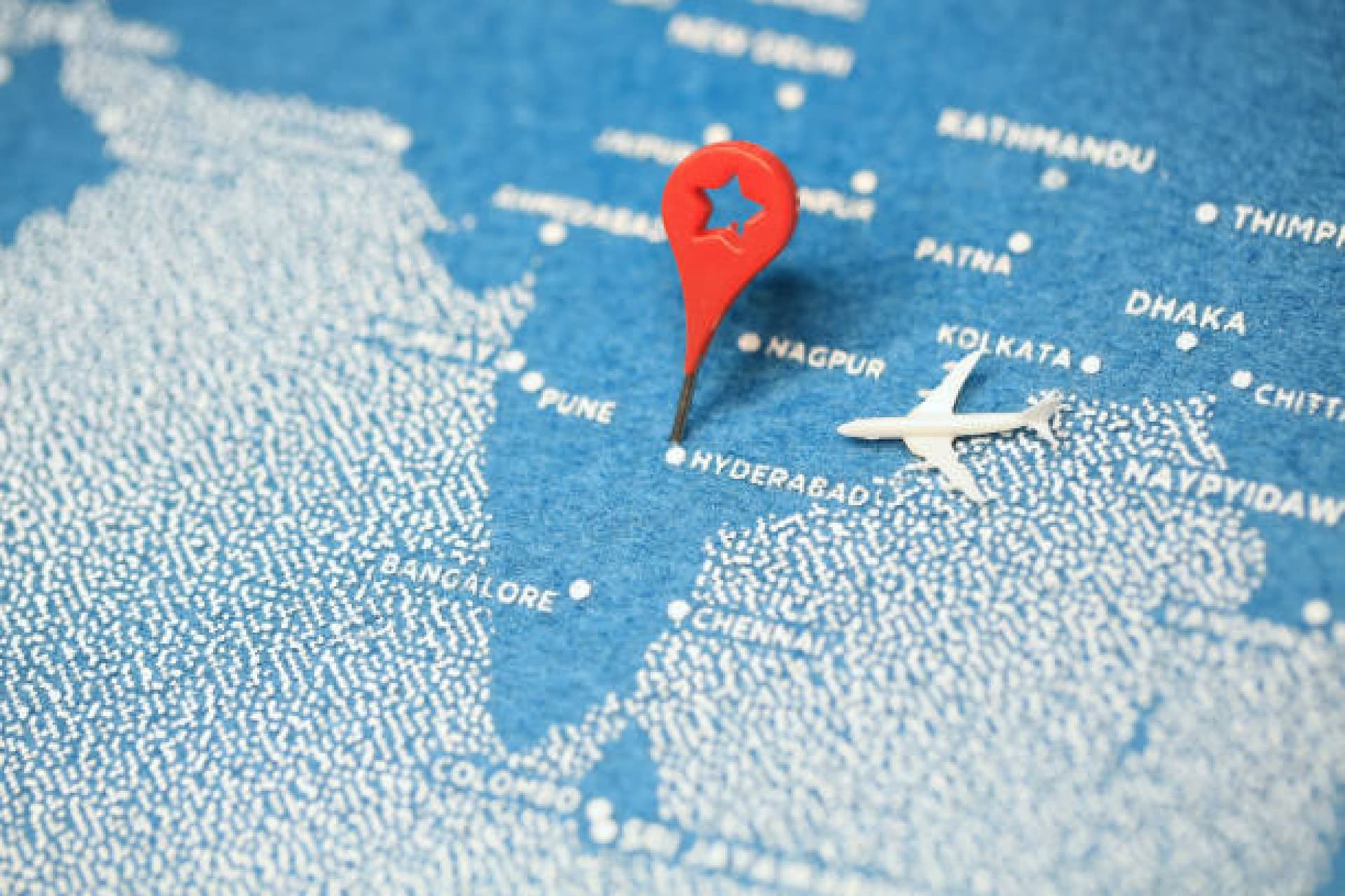
A trip is an adventure that takes you away from your everyday routine. It’s an opportunity to explore new places, enjoy different experiences, and create lasting memories with your family. Whether it’s a weekend getaway or a long vacation, a trip is a break from the norm, allowing you to recharge and bond with loved ones.
How to Plan a Trip
Planning a trip requires careful thought and consideration. Start by deciding on a destination that appeals to everyone. Consider the interests and preferences of each family member. For example, if someone loves nature, a destination with scenic landscapes or national parks might be ideal. If another enjoys history, consider places rich in cultural heritage.
Once you have a destination in mind, set a budget. This will help you manage expenses and avoid overspending. Consider all costs, including transportation, accommodation, food, and activities. Look for deals and discounts on travel websites or consult a travel agent for family packages.
Next, choose the right time to travel. Consider school holidays, work schedules, and weather conditions at the destination. Booking in advance can help secure better rates and availability, especially during peak travel seasons.
Accommodation is a crucial part of your planning. Look for family-friendly hotels or resorts that offer amenities like pools, play areas, and babysitting services. Alternatively, consider renting a vacation home, which can provide more space and a kitchen for preparing meals.
Transportation is another key factor. If you’re flying, check for direct flights to minimize travel time. For road trips, ensure your vehicle is in good condition and plan your route with rest stops in mind.
What to Consider Before Booking
Before you finalize your booking, there are several important factors to consider. First, research the destination thoroughly. Check travel advisories, local laws, and customs. Ensure that your destination is safe and suitable for family travel.
Consider the duration of your trip. Shorter trips are less stressful for young children, while older kids might enjoy longer adventures. Plan your itinerary with a mix of activities, balancing busy days with downtime.
Health and safety should also be a priority. Check if any vaccinations are required for your destination. Pack a basic first-aid kit with essentials like band-aids, antiseptic cream, and any necessary medications. Also, consider travel insurance that covers medical emergencies, trip cancellations, and lost luggage.
Another important aspect is food. Research dining options at your destination, especially if you have picky eaters or dietary restrictions in your family. Many hotels offer kids’ menus or buffets, which can make mealtime easier. If you’re staying in a vacation rental, plan to prepare some meals at home to save money and cater to specific tastes.
How to Pack
Packing for a family trip can be challenging, but with a little organization, it can be a breeze. Start by making a checklist for each family member. Include essentials like clothing, toiletries, and any special items such as medications or comfort toys for young children.
Pack versatile clothing that can be mixed and matched. Consider the weather at your destination and pack layers for different temperatures. Don’t forget swimwear if you’re headed to a beach or hotel with a pool.
When it comes to toiletries, pack travel-sized versions to save space. If you’re staying in a hotel, they often provide basics like shampoo and soap, so you can leave those out of your bag.
For entertainment during travel, pack books, games, or tablets loaded with movies or educational apps. Snacks are also important, especially for long journeys. Pack healthy options like fruit, nuts, and granola bars.
Finally, don’t forget important documents such as passports, tickets, and travel insurance. Keep these in a safe and easily accessible place. Consider having digital copies on your phone as a backup.
During Travel
Once you’re on your way, there are a few tips to keep your trip smooth and enjoyable. First, be flexible. Things don’t always go as planned, and that’s okay. Embrace the unexpected and make the most of every moment.
Stay hydrated, especially during flights or long car rides. Carry a refillable water bottle and encourage everyone to drink plenty of fluids. This is particularly important in warm climates.
If you’re traveling with young children, keep them entertained with toys, games, or snacks. Break up long journeys with stops to stretch and explore. Involve older kids in the trip by giving them responsibilities like helping with directions or choosing activities.
When you arrive at your destination, take time to settle in. Familiarize yourself with the area, locate nearby amenities like grocery stores or pharmacies, and establish a routine that suits your family.
Explore at your own pace. Don’t feel pressured to see everything at once. Focus on enjoying the experience and spending quality time together. Whether it’s a leisurely stroll through a local market or a fun day at the beach, the memories you create will be the highlight of your trip.
Here are the definitions for the requested terms:
-
Group Tour: A pre-arranged tour where a group of individuals travel together, often following a set itinerary, and typically led by a guide. These tours usually include transportation, accommodation, and planned activities.
-
Individual Trip: A trip planned and executed by an individual or a small group without any predefined itinerary or group constraints. It offers flexibility and the freedom to explore destinations at one’s own pace.
-
Backwater Trip: A serene journey through the interconnected waterways, often in regions like Kerala, India. These trips typically involve houseboats or small boats and showcase lush landscapes, traditional villages, and calm waters.
-
Students Trip: A travel experience designed specifically for students, often educational in nature. These trips may include visits to historical sites, museums, and other culturally significant locations, with an emphasis on learning.
-
Honeymoon Trip: A romantic getaway taken by newlyweds to celebrate their marriage. These trips are often to exotic or serene locations and focus on privacy, luxury, and creating memorable experiences for the couple.
-
Family Trip: A travel experience planned for families, catering to all age groups. These trips often include activities and destinations that are enjoyable for both children and adults, ensuring a balanced and enjoyable experience for everyone.
-
Medical Trip: A trip taken for the purpose of receiving medical treatment or undergoing surgery. It can include visits to specialized hospitals, clinics, or wellness centers, often combined with recuperation time in a relaxing environment.
-
Sports Trip: A journey focused on participating in or watching sports events. These trips may involve attending tournaments, matches, or games, as well as engaging in recreational sports activities like skiing, golfing, or hiking.
-
Wildlife Trip: A travel experience centered around observing wildlife in their natural habitats. These trips often take place in national parks, wildlife reserves, or remote natural areas, offering opportunities for safaris, bird watching, and nature photography.
-
Cultural Trip: A journey focused on exploring the cultural heritage, traditions, and history of a particular region or country. These trips often include visits to museums, historical sites, festivals, and other culturally significant locations.
-
Inbound Trip: A trip taken by tourists traveling into a country from abroad. These trips typically involve exploring the host country's attractions, culture, and landscapes, often organized by local tour operators.
-
Cruise Trip: A leisurely journey aboard a cruise ship, traveling across seas, rivers, or lakes. These trips combine transportation with luxurious accommodations, entertainment, and stops at various ports for sightseeing.
-
Religious Trip: A journey undertaken for spiritual or religious reasons, often to visit sacred sites, temples, shrines, or pilgrimage destinations. These trips are motivated by faith, devotion, and the desire for spiritual enrichment.
-
Corporate Trip: A trip organized for business purposes, such as attending conferences, meetings, or corporate events. These trips often include team-building activities, networking opportunities, and can be domestic or international.
-
Adventure Trip: A travel experience that involves engaging in physically challenging activities, often in remote or rugged locations. These trips may include activities like trekking, rock climbing, rafting, or exploring wilderness areas.
Planning a trip takes effort, but the rewards are well worth it. By considering everyone’s needs, staying organized, and being flexible, you can ensure a smooth and enjoyable journey. A well-planned trip not only strengthens family bonds but also opens up new horizons for exploration and adventure.