
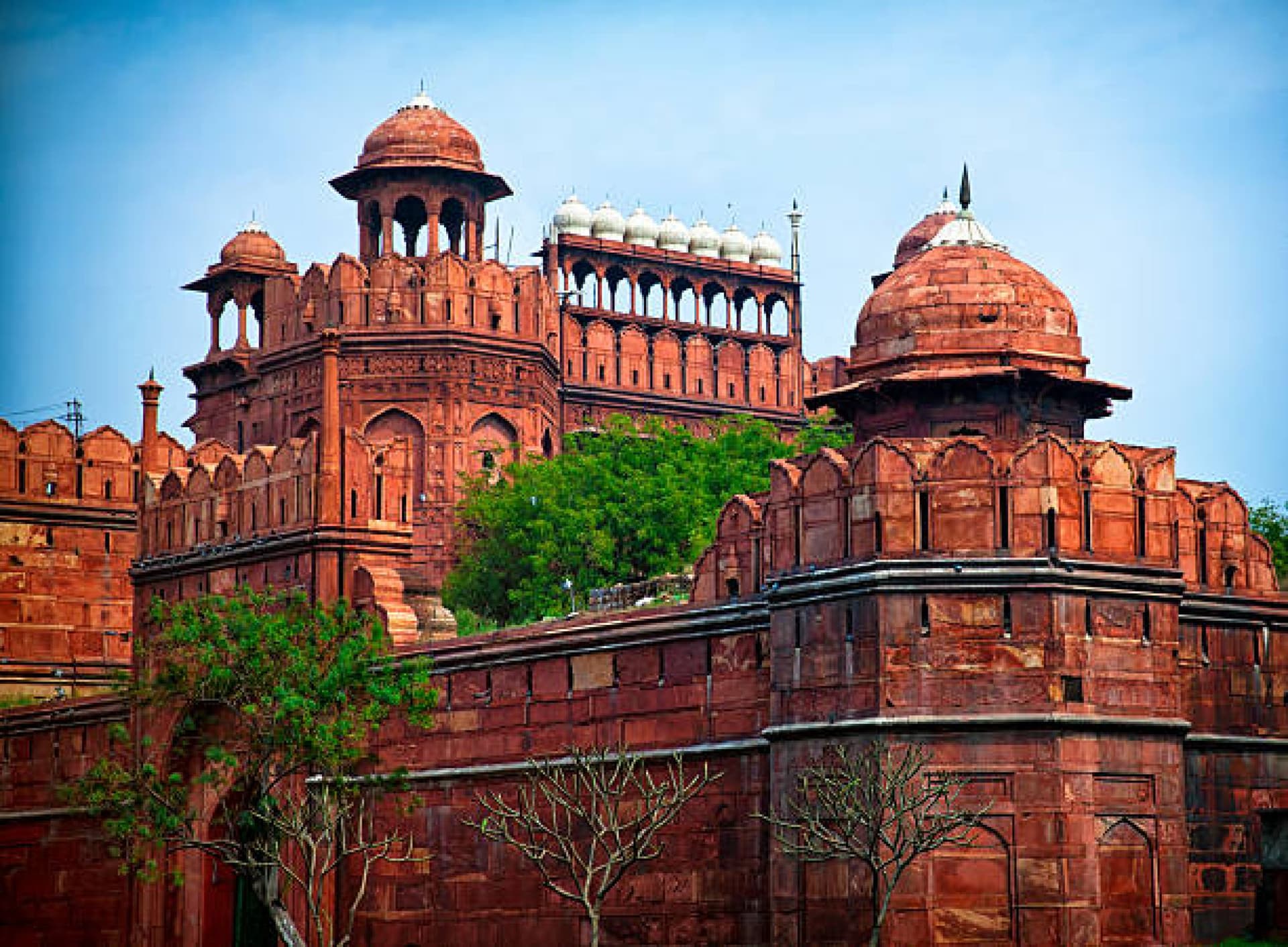
The Red Fort, also known as Lal Qila, is a historic fort located in Old Delhi, India. It is one of the most iconic landmarks in the country and holds great historical and cultural significance. Here are some key features and information about the Red Fort:
-
Location: The Red Fort is situated in the heart of Old Delhi, along the banks of the Yamuna River. It is easily accessible and is a prominent attraction for tourists visiting the capital city.
-
Architectural Style: The Red Fort is a masterpiece of Mughal architecture. It was built using red sandstone, which gives it a distinct reddish appearance. The fort reflects a blend of Persian, Timurid, and Indian architectural styles.
-
Historical Significance: The fort was commissioned by the Mughal Emperor Shah Jahan in 1638 and served as the main residence of the Mughal emperors for around 200 years. It was the main residence of the Mughal dynasty until 1857.
-
Design and Layout: The Red Fort is designed as a walled city, with impressive gates, gardens, pavilions, and palaces within its complex. The fort is known for its intricate carvings, marble decorations, and a layout that represents the Mughal architectural grandeur.
-
Chatta Chowk: Chatta Chowk, a covered bazaar within the fort, was a market where luxury goods and items were sold during the Mughal era. Visitors can still see the shops and imagine the vibrant marketplace of the past.
-
Diwan-i-Aam (Hall of Public Audience): This grand hall served as a place where the emperor would address the general public. The hall has a beautiful facade and was used for official ceremonies.
-
Diwan-i-Khas (Hall of Private Audience): The Diwan-i-Khas was a more private hall where the emperor would meet with select dignitaries. The hall is known for its impressive Peacock Throne, which was later taken to Iran.
-
Rang Mahal: Rang Mahal, or the Palace of Colors, was the residence of the royal ladies. It is known for its vibrant decorations and water channels.
-
Mumtaz Mahal: Mumtaz Mahal is another palace within the complex, named after the beloved wife of Shah Jahan, Mumtaz Begum.
-
Sound and Light Show: The Red Fort hosts an evening sound and light show that narrates the history of the fort. The show uses special effects and lighting to bring the historical events to life.
-
Independence Day Celebrations: The Red Fort is a significant site for India's Independence Day celebrations. The Prime Minister of India hoists the national flag from the fort's main gate, and a speech is delivered to the nation.
The Red Fort was designated as a UNESCO World Heritage Site in 2007 and continues to be a symbol of India's rich history and cultural heritage. It attracts millions of visitors each year who come to admire its architecture, learn about its history, and experience its cultural significance.