
Introduction
The Seven Wonders of the World have fascinated travelers and historians for centuries. These incredible monuments showcase human creativity, architectural brilliance, and cultural richness. In this blog, we will explore the Seven Wonders of the World: History, Facts & Their Impact on Global Tourism, diving into their origins, significance, and how they continue to attract millions of tourists worldwide.
Understanding the history behind these wonders helps us appreciate their value beyond just their physical beauty. Each wonder tells a story of the civilization that created it, reflecting their beliefs, technologies, and artistic achievements. Moreover, these wonders play a vital role in global tourism, contributing to local economies and promoting cultural exchange.
The Original Seven Wonders: A Historical Overview
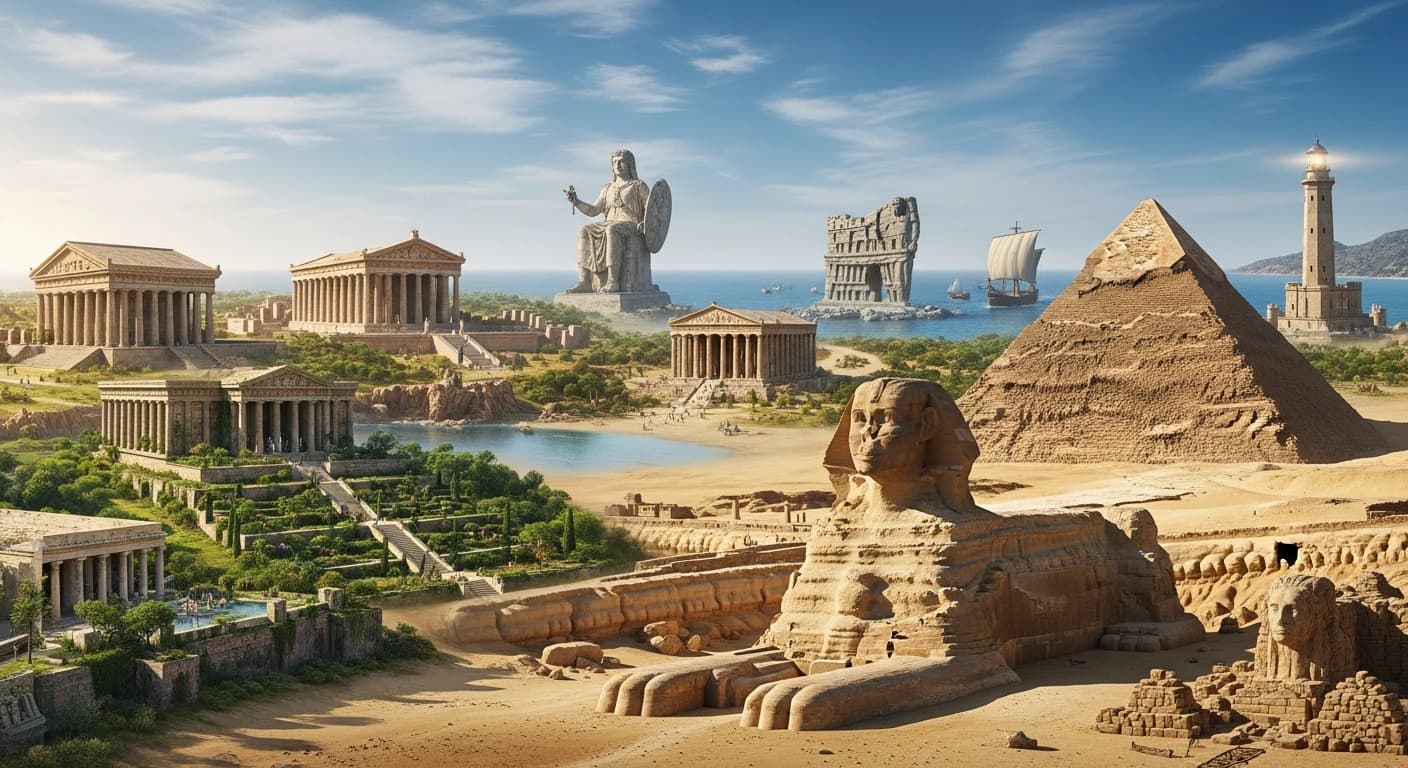
The concept of the Seven Wonders dates back to ancient times. The original list, known as the Seven Wonders of the Ancient World, included remarkable structures primarily around the Mediterranean and Middle East. These were:
- The Great Pyramid of Giza
- The Hanging Gardens of Babylon
- The Statue of Zeus at Olympia
- The Temple of Artemis at Ephesus
- The Mausoleum at Halicarnassus
- The Colossus of Rhodes
- The Lighthouse of Alexandria
While only the Great Pyramid of Giza remains largely intact, these wonders have inspired many modern recreations and new lists that celebrate architectural marvels around the world.
Significance in History
The original Seven Wonders were celebrated for their extraordinary scale and artistic innovation. They symbolized human ambition and the ability to create lasting legacies. Their stories have been passed down through generations, often blending myth and reality, which adds to their allure and mystique.
Tourism and Cultural Impact
Though some ancient wonders no longer exist, their legacy influences tourism today. Travelers seek to connect with history by visiting the sites or museums that hold artifacts related to these wonders. This curiosity fuels cultural tourism and encourages preservation efforts.
New Seven Wonders of the World
In 2007, a global poll selected a new list of Seven Wonders to represent modern achievements. These wonders include:
- Great Wall of China
- Petra, Jordan
- Christ the Redeemer, Brazil
- Machu Picchu, Peru
- Chichen Itza, Mexico
- Roman Colosseum, Italy
- Taj Mahal, India
This new list highlights diverse cultures and architectural styles from around the globe, reflecting a more inclusive view of world heritage.
Global Tourism Draw
Each of these wonders attracts millions of visitors annually. For example, the Taj Mahal is a symbol of India’s rich history and draws tourists eager to witness its stunning marble artistry. Similarly, Machu Picchu offers breathtaking views and a glimpse into Incan civilization, making it a must-visit destination for adventure and culture lovers alike.
Economic and Social Benefits
The popularity of these wonders boosts local economies through tourism-related activities such as hospitality, guided tours, and crafts. Additionally, they foster a sense of pride among local communities and encourage the preservation of cultural heritage.
Planning Your Trip to the Seven Wonders
Getting There
Traveling to the Seven Wonders requires some planning, as they are spread across different continents. Most of these sites are accessible by international airports followed by local transport options such as buses, taxis, or guided tours. For instance, visiting the Great Wall of China involves flying into Beijing, while the Colosseum is easily reachable from Rome’s city center.
Where to Stay
Accommodation options near these wonders vary widely, from luxury hotels to budget hostels and guesthouses. Staying close to the sites allows more time to explore and often offers unique cultural experiences. Cities hosting these wonders typically provide a range of dining and entertainment options to enhance your visit.
Tips for Visiting the Seven Wonders
- Plan ahead: Book tickets and accommodations in advance, especially during peak tourist seasons.
- Respect local customs: Each site is part of a living culture, so being mindful of traditions and rules helps preserve the experience for everyone.
- Hire local guides: Knowledgeable guides enrich your visit with stories and historical context that you might miss on your own.
- Stay hydrated and wear comfortable shoes: Exploring these vast sites often involves walking and outdoor exposure.
- Capture memories respectfully: Photography is often allowed, but be sure to follow guidelines to protect the sites.
Conclusion
The Seven Wonders of the World: History, Facts & Their Impact on Global Tourism remain some of the most captivating destinations for travelers worldwide. These wonders are not only architectural masterpieces but also gateways to understanding human history and culture. Whether you are an avid history buff, an adventure seeker, or simply a curious traveler, visiting these wonders offers a unique and enriching experience.
By exploring these iconic sites, tourists contribute to their preservation and the prosperity of local communities. The continued fascination with the Seven Wonders underscores the universal desire to connect with the past and celebrate human achievement. Start planning your journey today and witness firsthand the magic that has inspired millions across the globe.