Introduction
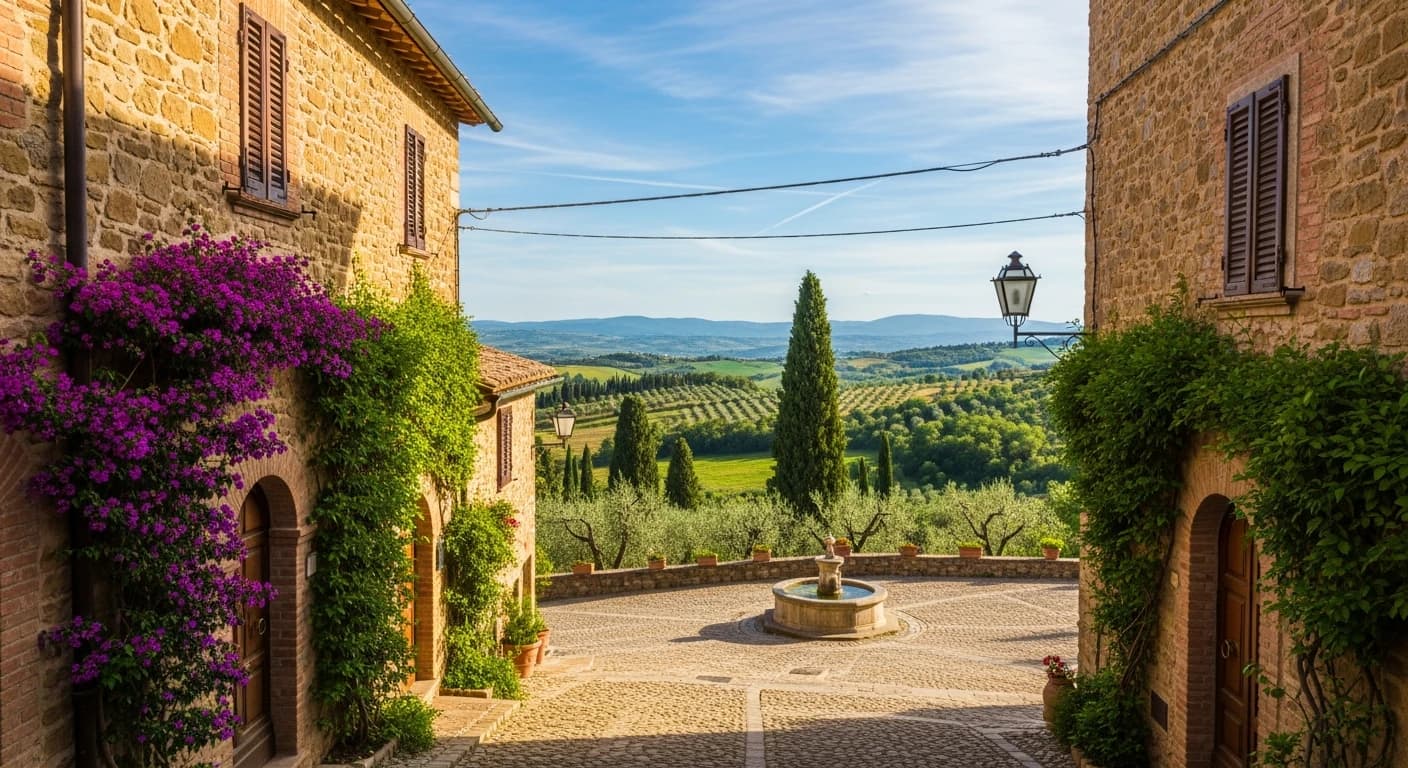
When I first embraced the idea of slow travel, it felt like a breath of fresh air in a world obsessed with ticking off destinations at breakneck speed. Slow travel is not just about moving less; it's about immersing yourself deeply in a place, savoring every moment, and truly connecting with local culture, people, and environment. Over the years, I’ve discovered that traveling less but with intention can offer richer experiences, better relaxation, and even cost savings. In this complete guide for 2026, I want to share why slow travel can transform your journeys and how you can make the most of it.
What is Slow Travel?
Slow travel is a mindful approach to exploring the world. Instead of rushing through multiple destinations, it encourages staying longer in fewer places, engaging more meaningfully with local life, and reducing the environmental impact of travel. It’s about quality over quantity – savoring the journey rather than just the destination.
Why I Chose Slow Travel
My own travel style shifted after a whirlwind trip across Europe where I barely had time to catch my breath. I realized I was missing the essence of each place. Since then, I’ve adopted slow travel, which has allowed me to build genuine connections, discover hidden gems, and truly unwind. The benefits have been profound, both emotionally and practically.
Travel and Connectivity: How to Plan Slow Travel
One of the first things I learned about slow travel is that connectivity doesn’t mean hopping on every flight or train. Instead, it’s about choosing the right modes of transport that allow you to enjoy the journey. For example, in Europe, I often prefer regional trains or even renting a bike to explore nearby villages. In Asia, slow travel means taking local buses or boats, which are not only economical but also give a glimpse into daily life.
Planning is key. I usually pick one or two destinations per trip and research how to get there sustainably and comfortably. Slow travel also means flexible itineraries; I leave room for spontaneity and local recommendations, which often lead to the best experiences.
Connectivity Tips for Slow Travelers
- Use trains and buses instead of flights whenever possible.
- Consider slower but scenic routes to enjoy landscapes.
- Use local transport to immerse yourself in the culture.
- Travel overnight on trains or buses to save daytime for exploration.
Accommodation: From Budget to Luxury Options for Slow Travelers
Staying longer in one place opens up a variety of accommodation choices. When I slow travel, I often choose rentals like Airbnb or guesthouses that offer a home-like atmosphere. This helps me settle in, cook local food, and live like a local. For budget travelers, hostels with private rooms or long-stay discounts are great options.
On the luxury side, boutique hotels and eco-resorts that emphasize sustainability align perfectly with slow travel principles. These accommodations often provide immersive experiences such as cooking classes, cultural workshops, or nature treks, enriching your stay.
My Favorite Accommodation Tips
- Look for weekly or monthly stays to get discounts.
- Choose places with kitchen facilities to cook and save money.
- Opt for locally owned accommodations to support the community.
- Check reviews for comfort and authenticity.
Sightseeing, Experiences, and Excursions: Deep Dive into Local Life
Slow travel transforms sightseeing from a checklist into an experience. Instead of rushing to famous landmarks, I spend time wandering neighborhoods, chatting with locals, and attending community events. This approach reveals stories and perspectives that guidebooks often miss.
Excursions become opportunities to learn and connect. For example, in Thailand, I joined a traditional cooking class in a small village, which was far more rewarding than just visiting a temple. In Italy, I took a slow food tour that introduced me to artisanal producers and regional specialties.
Experiences to Embrace
- Walking tours led by locals.
- Volunteering or community projects.
- Workshops on crafts, cooking, or music.
- Nature hikes with local guides.
Local Food, Culture, Lifestyle, and Transport
One of the greatest joys of slow travel is savoring local food. I love visiting markets, trying street food, and dining in family-run eateries. This not only supports small businesses but also offers authentic flavors and stories behind dishes.
Engaging with local culture means adapting to the pace and lifestyle of the place. I often use bicycles, tuk-tuks, or walking to get around, which helps me observe daily rhythms and interact with residents. Slow travel encourages patience and openness, which deepens cultural appreciation.
Tips for Enjoying Local Culture
- Learn basic phrases in the local language.
- Respect customs and traditions.
- Attend festivals or cultural events.
- Use sustainable transport options.
Cost Optimization and Practical Travel Planning
Slow travel can be surprisingly economical. Staying longer in one place often means better accommodation deals and fewer transport costs. Cooking your own meals and shopping at local markets also reduces expenses.
To plan cost-effective slow travel, I recommend:
- Booking accommodations with kitchen access.
- Using public transport or walking.
- Traveling during shoulder seasons to avoid crowds and high prices.
- Researching free or low-cost activities.
Slow travel also reduces travel fatigue, which can save money on health and wellness expenses.
Conclusion: Why Traveling Less Can Give You More
Embracing slow travel has been one of the most rewarding decisions in my journey as a traveler. It has taught me that traveling less doesn’t mean missing out; instead, it means gaining deeper insights, meaningful connections, and lasting memories. By prioritizing quality over quantity, we can travel sustainably, economically, and joyfully. Whether you’re a seasoned globetrotter or a curious beginner, I encourage you to try slow travel in 2026 and discover how it can enrich your life.
So pack your bags with patience and curiosity, and set off on a journey where every moment counts. Happy slow travels!