
Introduction
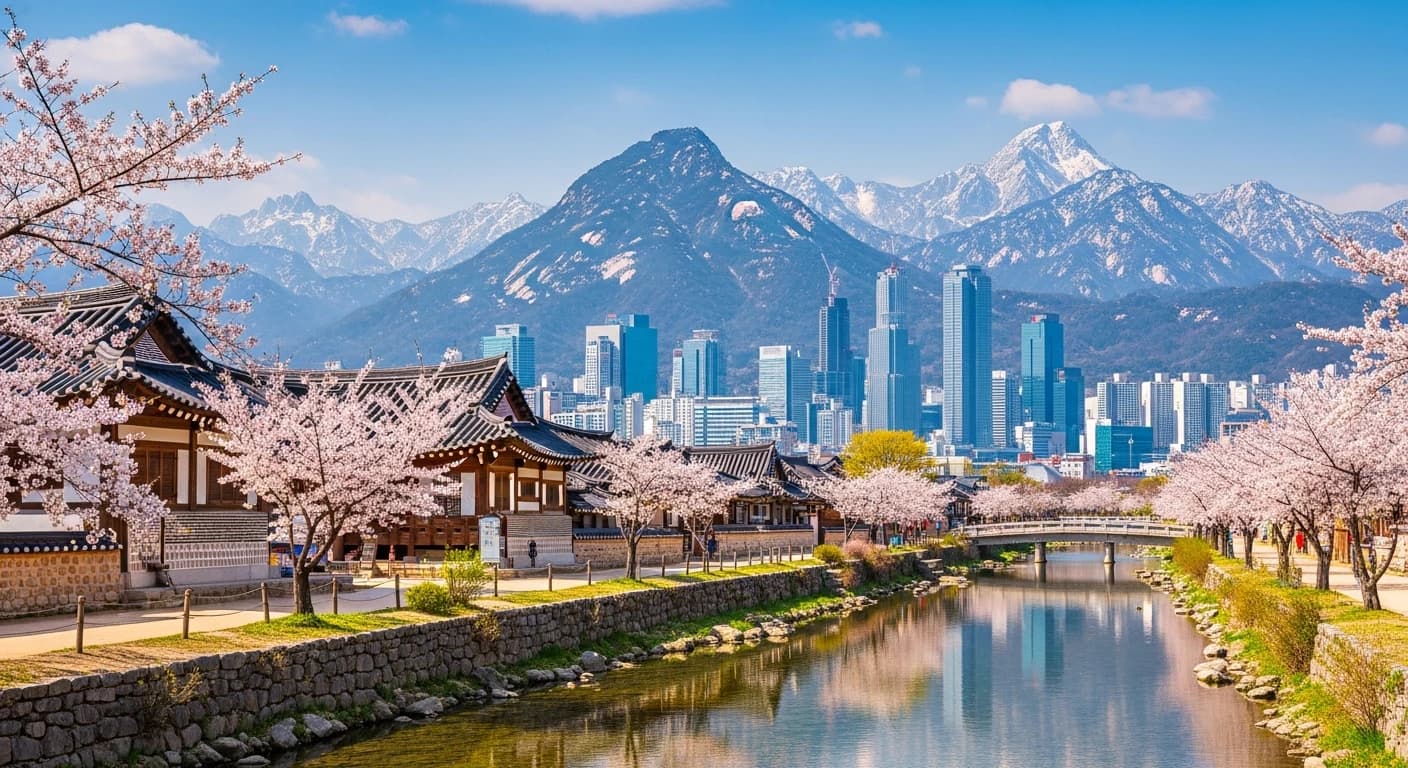
When I first decided to explore South Korea, I was captivated by its vibrant culture, stunning landscapes, and cutting-edge technology. Planning a trip from India to South Korea can seem daunting, but with the right guidance, it becomes an exciting adventure. In this comprehensive 2026 guide, I’ll walk you through everything you need to know about South Korea tour packages from India, including detailed itineraries, cost breakdowns, visa procedures, and insider travel tips. Whether you’re a budget traveler or seeking luxury experiences, this blog will help you craft the perfect journey.
Travel and Connectivity: How to Reach South Korea from India
Flying is the most convenient way to reach South Korea from India. I flew from Delhi to Seoul’s Incheon International Airport, which is well-connected with direct flights operated by airlines like Korean Air, Air India, and Asiana Airlines. Flight durations average around 6 to 7 hours. For those looking to save money, connecting flights via hubs like Bangkok, Kuala Lumpur, or Hong Kong can be a good option but add to travel time.
Once in South Korea, the country boasts an efficient and extensive transportation network. The Korea Train Express (KTX) high-speed trains connect major cities like Seoul, Busan, and Daegu swiftly. I found public buses and subways to be punctual and affordable, especially in metropolitan areas. Taxis are also readily available but can be more expensive.
Accommodation Options: From Budget Stays to Luxury Hotels
South Korea offers accommodation to suit every budget and preference. During my trip, I stayed in a range of places to experience the diversity.
Budget Stays
Hostels and guesthouses are plentiful, especially in Seoul’s Hongdae and Myeongdong districts. I found these to be clean, safe, and social hubs perfect for solo travelers or backpackers. Prices typically range from ₹800 to ₹1500 per night.
Mid-Range Hotels
For a comfortable stay without breaking the bank, I recommend business hotels such as Lotte City Hotel or ibis styles. These offer modern amenities, convenient locations, and breakfast included, usually costing between ₹3500 to ₹6000 per night.
Luxury Hotels
If you prefer indulgence, South Korea’s luxury hotels like The Shilla Seoul or Four Seasons offer world-class service, spas, and fine dining. Expect to pay upwards of ₹12,000 per night, but the experience is unparalleled.
Itineraries: Experiences and Excursions That Define South Korea
South Korea is a country of contrasts – from ancient palaces to futuristic cities and serene nature. Here’s a breakdown of my favorite itinerary highlights:
Day 1-3: Seoul – The Heartbeat of South Korea
Exploring Seoul’s palaces like Gyeongbokgung and Changdeokgung gave me a glimpse into Korea’s royal past. The bustling streets of Myeongdong and Insadong are perfect for shopping and street food. Don’t miss N Seoul Tower for panoramic city views.
Day 4-5: Busan – Coastal Charm
A short KTX ride brought me to Busan, known for its beautiful beaches like Haeundae and cultural sites such as Gamcheon Culture Village. The Jagalchi Fish Market was a seafood lover’s paradise.
Day 6: DMZ Tour – History and Reflection
Visiting the Demilitarized Zone was a moving experience. The guided tour provided insights into the Korean War and the ongoing division.
Day 7-8: Jeju Island – Nature’s Wonderland
Jeju’s volcanic landscapes, waterfalls, and beaches offered a relaxing contrast to city life. I hiked Hallasan, South Korea’s highest mountain, and enjoyed fresh seafood.
Local Food, Culture, and Lifestyle
South Korean cuisine is a highlight of any visit. I savored dishes like bibimbap, kimchi, Korean BBQ, and street snacks such as tteokbokki and hotteok. The local markets are vibrant and inviting places to try authentic flavors.
The culture is a blend of tradition and modernity. I experienced traditional tea ceremonies, visited Buddhist temples, and also enjoyed K-pop concerts and trendy cafes. South Koreans are friendly and helpful, making travel comfortable.
Transport Within South Korea
Public transport in South Korea is world-class. I used the T-money card, a rechargeable smart card, for seamless travel on buses, subways, and even taxis. The KTX trains are fast and affordable if booked in advance. For exploring rural areas, renting a car can be convenient but driving rules differ from India, so caution is necessary.
Visa Process for Indian Travelers
Obtaining a South Korean tourist visa from India is straightforward. I applied through the Korean Visa Application Center with required documents like passport, photographs, itinerary, and financial proof. Processing takes about 7-10 working days. For 2026, it’s advisable to check any updates on visa policies or e-visa options to streamline your application.
Cost Optimization and Practical Travel Planning
South Korea can be affordable with smart planning. I recommend booking flights early to get the best fares and using public transport instead of taxis. Street food and local eateries offer delicious meals at low prices compared to restaurants. For accommodation, mixing budget stays with occasional splurges on luxury hotels balances comfort and cost.
Consider purchasing a Korea Rail Pass if you plan to travel extensively by train. Also, many tourist attractions offer discounts with a valid student ID or group bookings.
Final Thoughts
My journey through South Korea was unforgettable, filled with rich experiences, warm hospitality, and stunning sights. With this 2026 guide, I hope you feel equipped to embark on your own adventure from India to this fascinating destination. Whether you want to immerse yourself in history, indulge in modern city life, or explore nature’s beauty, South Korea has something for everyone. Start planning early, keep your budget in mind, and prepare to be amazed!