Introduction
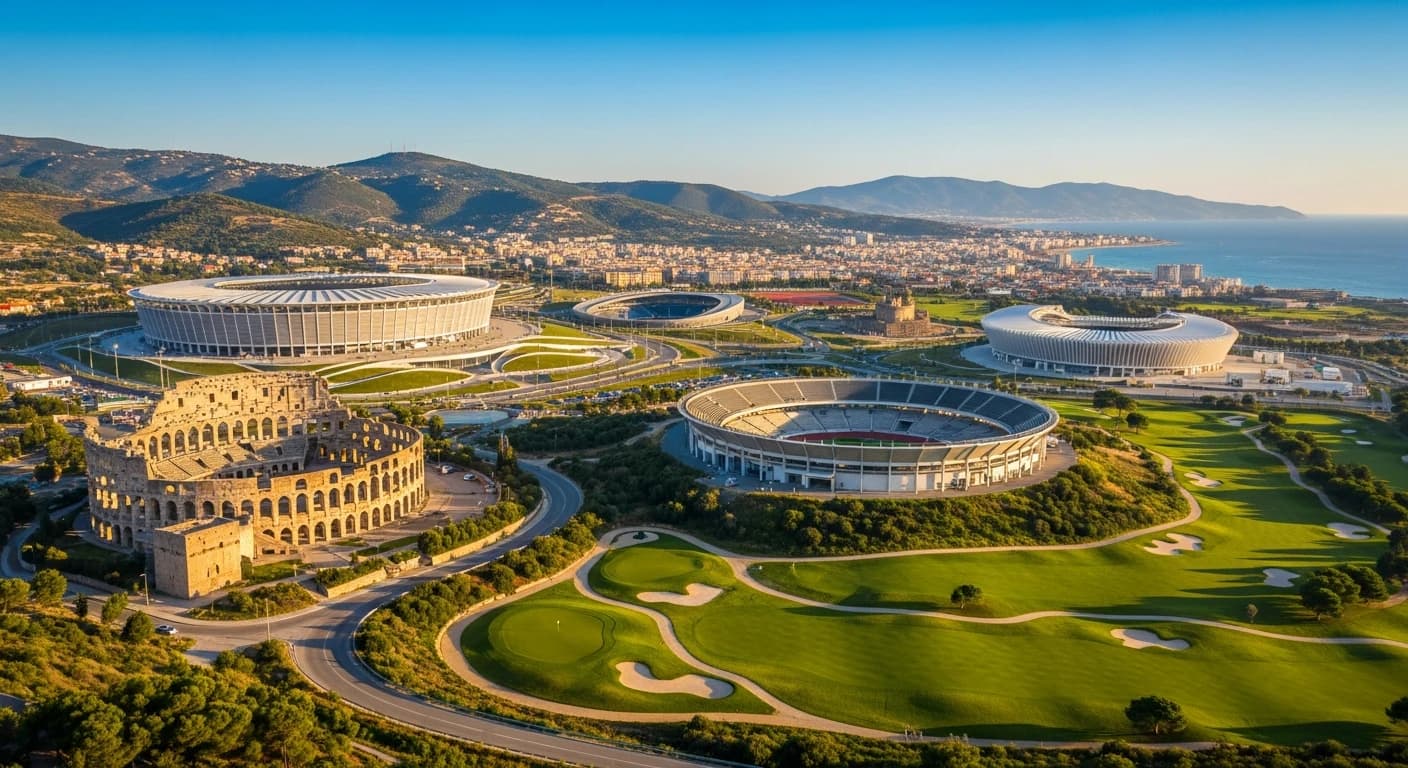
As someone who has always been passionate about travel and sports, I recently embarked on a journey to explore the rising phenomenon of sports tourism and event-driven travel. This niche segment is rapidly becoming one of the most exciting and dynamic facets of global tourism. From the electrifying atmosphere of the FIFA World Cup to the grandeur of the Olympics and the thrill of Formula 1 races, sports events are drawing millions of travelers worldwide. In this blog, I will share my immersive experiences, practical travel tips, and insider knowledge on how to make the most of sports tourism, whether you are a budget traveler or seeking luxury.
Understanding Sports Tourism and Event-Driven Travel
Sports tourism involves traveling to watch or participate in sporting events, while event-driven travel focuses on trips planned around specific events, including sports, music festivals, or cultural celebrations. The global surge in sports tourism is fueled by fans’ desire to witness iconic moments live and experience the local culture surrounding the events. I’ve noticed that cities hosting major tournaments often transform into vibrant hubs with unique local flavors, making the travel experience even more rewarding.
Travel and Connectivity: Getting There and Around
From my travels to various sports events, I’ve learned that connectivity plays a crucial role. Major sports events are typically hosted in cities with excellent international airports and robust transport infrastructure. For example, attending the Wimbledon Championships in London was hassle-free thanks to its numerous direct flights and efficient Tube network. Similarly, the Tokyo Olympics offered seamless connectivity with its high-speed trains and extensive metro system.
When planning your trip, I recommend booking flights early to secure the best deals, especially since demand spikes around big events. For local transportation, consider purchasing event-specific transit passes or multi-day travel cards, which often provide unlimited rides and cost savings. Rideshares and bike rentals can also be convenient for short distances.
Accommodation Options: From Budget Stays to Luxury Experiences
Accommodation during major sports events can be challenging due to high demand, but with some planning, you can find options that suit your budget and preferences. During my visit to the ICC Cricket World Cup in India, I stayed at a budget guesthouse near the stadium, which offered great value and a chance to mingle with local fans. On the other hand, for the Monaco Grand Prix, I indulged in a luxury hotel overlooking the circuit, enhancing the entire experience.
For budget travelers, hostels, homestays, and Airbnb rentals are excellent choices, especially if you book months in advance. Mid-range hotels near public transport hubs offer a balance of comfort and accessibility. Luxury travelers can opt for five-star hotels or resorts that provide exclusive amenities and VIP access to events. Always check cancellation policies and consider flexible booking options given the unpredictability of event schedules.
Sightseeing, Experiences, and Excursions Beyond the Event
Sports tourism is not just about the event itself; it’s also about immersing yourself in the host city’s culture and attractions. After watching the NBA Finals in Los Angeles, I took time to explore iconic spots like Venice Beach and the Hollywood Walk of Fame. Similarly, attending the Tour de France in Paris allowed me to enjoy the city’s historic landmarks and culinary delights.
Many cities organize fan zones, cultural festivals, and guided tours during major sports events. I highly recommend participating in these to enhance your experience. Additionally, day trips to nearby attractions can provide a refreshing break from the event hustle. For example, while attending the Rugby World Cup in New Zealand, I explored the stunning fjords and Maori cultural sites.
Local Food, Culture, Lifestyle, and Transport Insights
One of the most memorable aspects of sports tourism for me has been tasting local cuisine and engaging with the culture. At the UEFA Euro in Italy, I savored authentic pasta and regional wines that perfectly complemented the vibrant match atmosphere. In Brazil during the Copa America, street food stalls offered delicious snacks like coxinhas and pão de queijo, which became my go-to energizers between games.
Understanding local customs and transport etiquette is equally important. I observed that in Japan during the Olympics, public transport was impeccably punctual and clean, with passengers maintaining quiet respect, which made commuting a pleasant experience. In contrast, attending cricket matches in India involved lively crowds and vibrant street celebrations, which added to the festive spirit.
Cost Optimization and Practical Travel Planning
Sports tourism can be expensive, but with careful planning, it is possible to enjoy these events without breaking the bank. I always start by setting a clear budget and prioritizing the events and experiences I want most. Early booking of flights and accommodation is critical to avoid inflated prices. Using travel apps and websites to track deals and discounts has saved me considerable money.
For tickets, I recommend purchasing only from official sources to avoid scams. Sometimes, attending less popular matches or events can offer equally thrilling experiences at a lower cost. Group travel or joining fan clubs can also provide access to special packages and discounts.
Lastly, packing smartly for the event and location helps avoid last-minute expenses. Comfortable footwear, weather-appropriate clothing, and portable chargers are essentials I never leave behind.
Final Thoughts: Why Sports Tourism is the Future of Travel
My journey through various sports events worldwide has convinced me that sports tourism is not just a trend but a transformative wave in global travel. It combines the adrenaline of live sports with cultural exploration, creating unforgettable memories. Whether you are a die-hard sports fan or a curious traveler, event-driven travel offers a unique way to connect with people and places.
As cities continue to invest in hosting international sporting events and improving infrastructure, the opportunities for immersive and affordable sports tourism will only grow. I encourage you to plan your next trip around a sporting event and experience this exciting travel niche firsthand.
In conclusion, sports tourism offers a rich tapestry of experiences—from thrilling matches and world-class hospitality to cultural immersion and cost-effective travel strategies. I hope my insights and stories inspire you to explore this vibrant corner of global tourism.