Introduction
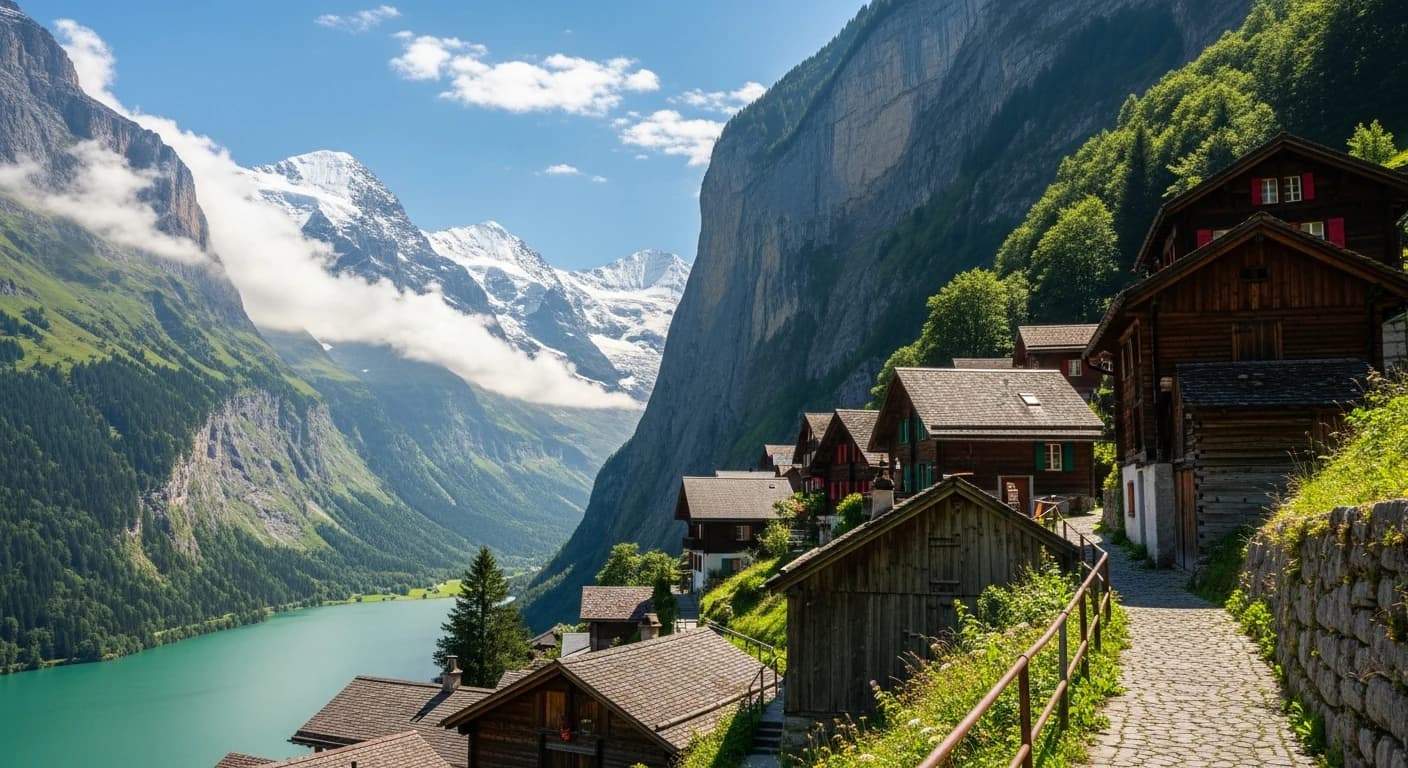
Switzerland is synonymous with breathtaking alpine vistas, pristine lakes, and iconic peaks like the Jungfrau. But beyond these famous landmarks lies a treasure trove of sustainable, lesser-known destinations that I’ve had the privilege to explore. In 2026, as travelers increasingly seek eco-friendly experiences, these hidden gems offer authentic Swiss charm while prioritizing environmental preservation. Join me on a journey beyond the Jungfrau to discover five sustainable Swiss destinations where nature, culture, and responsible tourism blend seamlessly.
Why Choose Sustainable Travel in Switzerland?
Switzerland’s commitment to sustainability is evident in its clean public transport, eco-conscious accommodations, and protected natural reserves. Traveling responsibly here means immersing yourself in local life without leaving a heavy footprint. I found that by choosing sustainable options, not only did I help preserve these pristine environments, but I also enjoyed more meaningful connections with the local culture and landscapes.
How to Reach These Hidden Gems
Switzerland’s extensive rail network makes accessing even remote spots surprisingly easy. I relied heavily on the Swiss Travel Pass, which offers unlimited travel on trains, buses, and boats, making it a cost-effective and eco-friendly choice. For some of the more secluded locations, I combined train travel with electric bike rentals or short electric shuttle rides, embracing the country’s green mobility ethos.
1. Val Müstair – A UNESCO Biosphere Reserve
Located in the far southeast canton of Graubünden, Val Müstair is a serene valley embraced by the Swiss National Park and the Stelvio National Park across the border. What captivated me here was the harmonious blend of nature and culture, preserved through centuries-old traditions and sustainable farming.
Accommodation
I stayed at a charming family-run guesthouse certified with the Swiss ecolabel, offering organic breakfasts sourced from local farms. Budget travelers can find cozy alpine huts, while those seeking luxury will appreciate eco-lodges that use solar energy and geothermal heating.
Experiences
Hiking through the biosphere reserve, I encountered rare alpine flora and fauna. The local monastery, a UNESCO World Heritage site, offers guided tours emphasizing the valley’s cultural heritage. I also joined a cheese-making workshop, learning about traditional production methods that respect the environment.
Food and Culture
The culinary scene here revolves around organic, locally sourced ingredients. I savored dishes like Capuns (Swiss chard-wrapped bundles) and artisanal rye bread, all while mingling with warm locals who take pride in preserving their heritage.
2. Emmental – The Land of Rolling Hills and Sustainable Farming
Famous for its namesake cheese, Emmental offers more than dairy delights. This region’s gently rolling hills are dotted with farms practicing biodynamic agriculture and sustainable forestry.
Getting Around
After arriving by train to Bern, I took a regional bus to Emmental. Renting an e-bike was a highlight, allowing me to explore the scenic villages and meadows at my own pace without harming the environment.
Accommodation
From rustic farm stays to boutique eco-hotels, Emmental caters to all budgets. I chose a farmstay where I participated in daily farm activities, gaining insight into organic cheese production.
Experiences and Food
Besides cheese tasting, I ventured on guided nature walks focusing on local biodiversity. The food here is hearty and wholesome—freshly baked bread, homemade butter, and seasonal vegetables straight from the garden.
3. Val d’Hérens – Off-the-Beaten-Path Alpine Charm
Val d’Hérens in the Valais canton is a hidden alpine valley with traditional villages, sustainable tourism initiatives, and spectacular mountain scenery.
Travel Tips
Accessible by train to Sion and then a regional bus, I found the valley’s public transport reliable and eco-friendly. For deeper exploration, I rented an electric mountain bike.
Stay and Explore
Eco-certified chalets and mountain huts provide comfortable stays. I enjoyed hiking to glacier viewpoints and visiting the local markets showcasing handcrafted goods and organic produce.
Local Lifestyle and Cuisine
The community here values slow living and sustainability. I tasted raclette made from local organic milk and sampled herbal teas brewed from wild plants gathered responsibly in the surrounding forests.
4. Lavaux Vineyards – Sustainable Wine Tourism on Lake Geneva
Stretching along the northern shores of Lake Geneva, the Lavaux vineyards are a UNESCO World Heritage site renowned for terraced wine production that respects the landscape and biodiversity.
Getting There
From Lausanne, a short train ride brought me to the heart of Lavaux. Walking or cycling through the vineyards is encouraged to minimize traffic and enjoy the stunning lake views.
Accommodation
Options range from charming bed and breakfasts in vineyard estates to eco-friendly boutique hotels with lake views. I stayed at a vineyard guesthouse that uses solar panels and composting toilets.
Experiences and Food
Wine tastings focused on organic and biodynamic wines were highlights. Pairing these with local cheeses and freshly baked bread made for unforgettable meals. The region also hosts sustainable harvest festivals, celebrating eco-conscious viticulture.
5. Jura Mountains – Switzerland’s Green Frontier
The Jura Mountains, less frequented by tourists, offer lush forests, crystal-clear lakes, and a commitment to preserving their natural beauty.
Connectivity
I reached the Jura by train from Geneva, then used local electric buses and bike rentals to explore. The region’s slow tourism philosophy encourages visitors to savor the peaceful environment.
Accommodation
From eco-lodges built with sustainable materials to affordable guesthouses, the Jura caters to all travelers. I opted for a woodland cabin powered by renewable energy sources.
Activities and Culture
Hiking, bird watching, and canoeing are popular activities that connect visitors with nature. Local artisans sell handmade wooden crafts, and the food scene emphasizes wild game, freshwater fish, and organic produce.
Practical Tips for Sustainable Travel in Switzerland
1. Use Public Transport and Green Mobility
The Swiss Travel Pass is invaluable for seamless train, bus, and boat travel. For last-mile connectivity, electric bikes and shuttles reduce carbon footprints.
2. Choose Eco-Friendly Accommodations
Look for Swiss ecolabel certifications or properties emphasizing renewable energy, waste reduction, and local sourcing.
3. Support Local Businesses
Eat at family-run restaurants, buy from local artisans, and participate in community-led tours to ensure your tourism dollars benefit the local economy.
4. Pack Light and Responsibly
Minimize waste by carrying reusable water bottles, bags, and opting for sustainable travel gear.
5. Respect Nature and Culture
Stick to marked trails, avoid disturbing wildlife, and learn about local customs to deepen your travel experience.
Conclusion
Exploring Switzerland beyond the Jungfrau revealed a side of the country deeply committed to sustainability and authentic experiences. From the tranquil Val Müstair to the rolling hills of Emmental, each hidden gem offered unique landscapes, rich culture, and eco-conscious travel options. If you’re planning your 2026 travels, I highly recommend these destinations for a journey that’s as responsible as it is rewarding. Switzerland’s sustainable hidden gems await your discovery—ready to inspire and rejuvenate your soul.