
Introduction
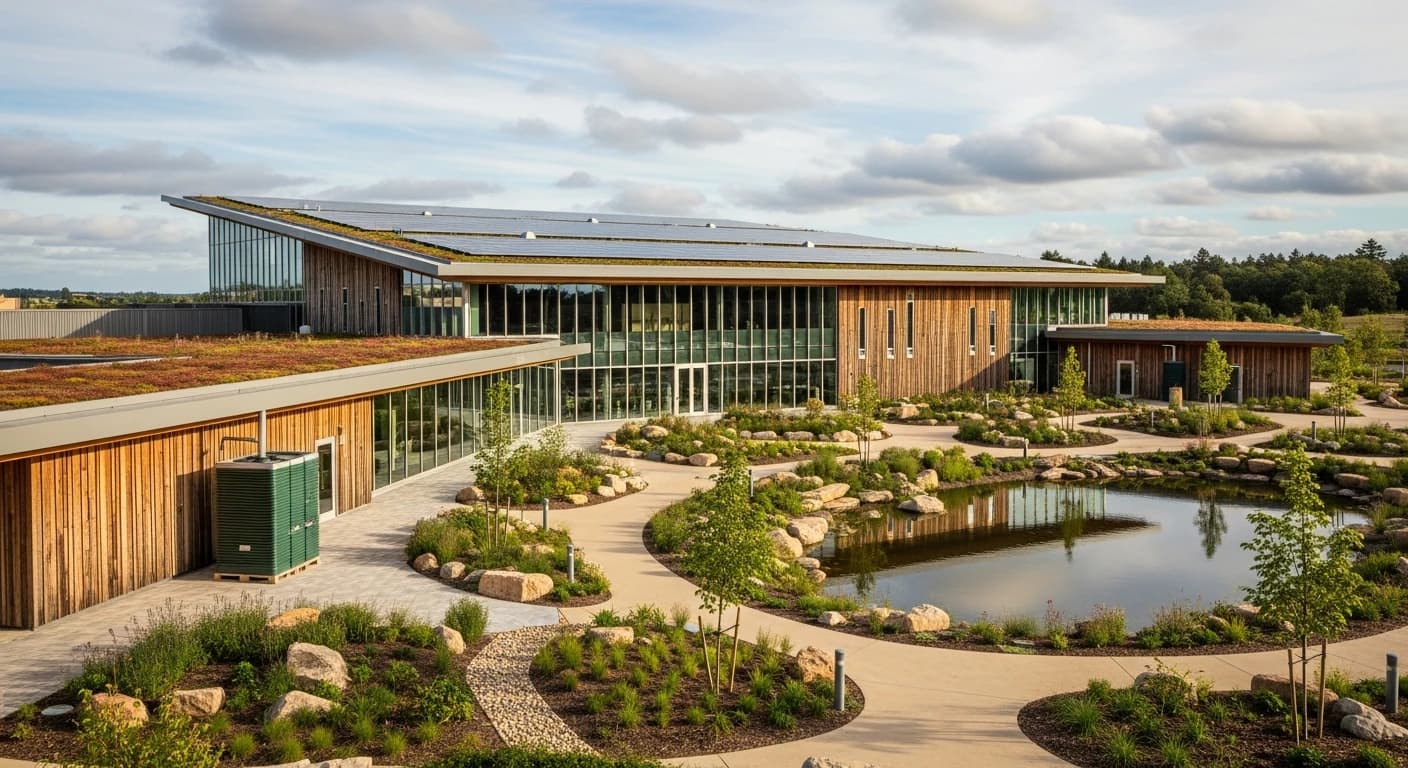
As someone who has journeyed extensively through the world of travel and events, I’ve witnessed firsthand how the Meetings, Incentives, Conferences, and Exhibitions (MICE) industry is evolving. Today, sustainability is no longer a buzzword but a vital practice shaping the future of event planning. In this blog, I want to share my insights on sustainable MICE and the eco-friendly event trends that every travel planner must embrace to create impactful, responsible gatherings that respect our planet.
Understanding Sustainable MICE
Sustainable MICE refers to organizing events with minimal environmental impact, promoting social responsibility, and ensuring economic viability. Having attended and organized various events worldwide, I’ve seen how integrating green practices can transform the entire experience—from venue selection to waste management.
Travel and Connectivity: Green Transportation Choices
Travel is a significant contributor to the carbon footprint of any event. When I planned a conference in Amsterdam, I prioritized venues accessible by public transport and encouraged attendees to use trains instead of flights. Electric shuttle services and bike rentals also made commuting greener. For international delegates, I recommend exploring carbon offset programs and choosing airlines with strong sustainability commitments.
Accommodation Options: From Budget to Luxury Eco-Stays
Accommodation plays a crucial role in sustainable MICE. I’ve found that many hotels now offer eco-certifications, energy-efficient systems, and waste reduction initiatives. For budget-conscious planners, eco-friendly hostels and green-certified business hotels provide affordable options without compromising sustainability. Luxury hotels increasingly incorporate solar power, water-saving technologies, and locally sourced food, making them perfect for high-profile events with a green conscience.
Sightseeing, Experiences, and Excursions: Promoting Local and Sustainable Tourism
Incorporating local culture and sustainable tourism into event itineraries enriches attendees’ experience while supporting communities. On a recent incentive trip to Costa Rica, I arranged for eco-tours in protected reserves and visits to community-run projects. These excursions not only minimized environmental impact but also educated participants about conservation efforts and cultural heritage.
Local Food, Culture, Lifestyle, and Transport: Embracing Authenticity and Sustainability
Food choices at events can significantly affect sustainability. I always advocate for menus featuring local, organic produce and plant-based options to reduce carbon footprint. Incorporating cultural performances and workshops adds depth and fosters appreciation for the host destination’s lifestyle. Additionally, promoting sustainable local transport like electric buses or walking tours helps reduce emissions and traffic congestion.
Cost Optimization and Practical Travel Planning for Eco-Friendly Events
Many planners worry that sustainability means higher costs. From my experience, smart planning can balance budgets and green goals. For example, digital invitations and event materials cut paper waste and printing expenses. Partnering with eco-conscious vendors often leads to long-term savings through energy efficiency and waste reduction. Bulk purchasing and reusing decor elements also optimize costs while reducing environmental impact.
Emerging Eco-Friendly Event Trends to Watch
Several trends are shaping sustainable MICE, and I’ve embraced many in my recent projects:
- Virtual and Hybrid Events: Reducing travel needs and carbon emissions while expanding reach.
- Zero-Waste Initiatives: Composting, recycling, and eliminating single-use plastics.
- Green Certifications: Choosing venues and suppliers with recognized sustainability credentials.
- Carbon Offsetting: Calculating and compensating for unavoidable emissions.
- Inclusive and Ethical Sourcing: Supporting local artisans and fair-trade products.
Practical Tips for Travel Planners Embracing Sustainable MICE
Based on my hands-on experience, here are actionable steps to make your events greener:
- Conduct an environmental impact assessment before planning.
- Select venues with sustainable infrastructure and policies.
- Encourage attendees to use eco-friendly transport options.
- Incorporate sustainability clauses in contracts with vendors.
- Promote digital communication and reduce paper usage.
- Plan menus with seasonal, local, and plant-based ingredients.
- Educate participants about sustainability efforts during the event.
- Measure and report on sustainability metrics post-event.
Conclusion
Embracing sustainable MICE is not just a trend but a responsibility that travel planners must adopt to protect our planet while delivering exceptional events. Through thoughtful choices in travel, accommodation, experiences, and operations, we can create gatherings that inspire, engage, and leave a positive legacy. I encourage all event professionals to explore these eco-friendly trends and integrate sustainability into every facet of their planning process. Together, we can redefine the future of MICE—one green event at a time.