
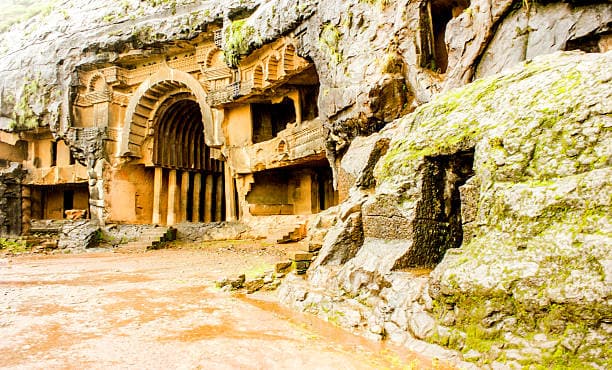
The Bhaja Caves, also known as Bhaje Caves or Bhaja Buddhist Caves, are a group of rock-cut caves located near Lonavala in Maharashtra, India. These caves are an ancient Buddhist site and are of historical and archaeological significance. Here are some key details about the Bhaja Caves:
-
Location: The Bhaja Caves are situated approximately 12 kilometers from Lonavala, a popular hill station in the Pune district of Maharashtra.
-
History: The caves date back to the 2nd century BCE, making them one of the earliest Buddhist cave complexes in India. They are believed to have been established during the Hinayana phase of Buddhism.
-
Architecture: The caves feature impressive rock-cut architecture and are known for their chaitya halls (prayer halls) and viharas (monasteries). The exteriors of the caves are adorned with intricate carvings and sculptures.
-
Chaitya Halls: The main attraction of the Bhaja Caves is the large chaitya hall in Cave 12, which is one of the finest examples of its kind. The hall has a stupa at the far end and is surrounded by carved columns.
-
Carvings and Sculptures: The caves contain various sculptures, reliefs, and inscriptions depicting Buddhist themes, including scenes from the life of Buddha and other deities.
-
Bhaja Group of Caves: The Bhaja Caves are part of a larger group of rock-cut caves in the region, including the Karla Caves. These caves collectively form an important archaeological site.
-
Accessibility: The caves are accessible by road and involve a short trek from the base to reach the cave complex. The trek offers scenic views of the surrounding hills.
-
Best Time to Visit: The caves are open to visitors throughout the year, but the monsoon season (June to September) can be challenging due to slippery paths.
Visiting the Bhaja Caves provides a glimpse into the ancient Buddhist architecture and art in India. It is recommended for those interested in history, archaeology, and cultural exploration.