Introduction
As someone who has always been fascinated by Southeast Asia's rich tapestry of culture, history, and natural beauty, my trip to Vietnam in 2026 was nothing short of spectacular. Planning a Vietnam tour package from India can seem daunting at first, but with the right information, it transforms into an exciting journey filled with vibrant experiences. In this comprehensive guide, I will walk you through everything you need to know—from travel connectivity and visa processes to accommodation options, must-see attractions, local cuisine, and cost optimization tips. Whether you are a budget traveler or someone who prefers luxury, this guide will help you craft the perfect Vietnam itinerary tailored to your needs.
Travel and Connectivity: Getting to Vietnam from India
Flying from India to Vietnam is surprisingly straightforward. I flew from Delhi to Ho Chi Minh City with a direct flight, which took around 4.5 hours. Airlines such as Vietnam Airlines, AirAsia, and IndiGo offer competitive fares, especially if you book in advance. For those in Mumbai, Bengaluru, or Chennai, connecting flights through Bangkok or Kuala Lumpur are common. The two primary international airports in Vietnam are Tan Son Nhat International Airport (Ho Chi Minh City) and Noi Bai International Airport (Hanoi), both well-connected to domestic flights, buses, and taxis.
Within Vietnam, I found the domestic flight network very efficient for covering long distances quickly—flights between Hanoi, Da Nang, and Ho Chi Minh City are frequent and affordable. For shorter distances, the train and bus systems offer scenic and budget-friendly options; the Reunification Express train, for instance, is a classic way to experience the Vietnamese countryside.
Visa Process: What Indian Travelers Need to Know
Obtaining a visa for Vietnam from India has become hassle-free with multiple options available. I opted for the e-visa, which is valid for 30 days and single entry. The application process is fully online, requiring a scanned copy of your passport and a fee payment. Processing usually takes 3-5 working days. Alternatively, visa on arrival is also popular, but it requires pre-approval letters and can be more cumbersome.
Make sure your passport has at least six months validity from your planned entry date. Also, keep digital and physical copies of your visa approval letter and passport handy during travel.
Accommodation Options: From Budget to Luxury
Vietnam offers an impressive range of accommodation options catering to all budgets. During my trip, I stayed in everything from cozy hostels to boutique hotels and high-end resorts.
Budget Stays: Hostels and guesthouses in cities like Hanoi and Ho Chi Minh City are abundant, with prices starting as low as INR 500 per night. These places often provide free Wi-Fi, communal kitchens, and opportunities to meet fellow travelers. I enjoyed staying at a hostel in Hanoi’s Old Quarter, where the vibrant street life was just outside my door.
Mid-Range Hotels: If you prefer more comfort, mid-range hotels cost around INR 1500-3000 per night. They often include air conditioning, breakfast, and better amenities. I stayed at a charming hotel in Hoi An that blended traditional Vietnamese architecture with modern comforts.
Luxury Resorts: For those seeking indulgence, Vietnam boasts stunning luxury resorts, especially along the coast in Da Nang and Nha Trang. Prices start from INR 7000 upwards per night. I treated myself to a beachfront resort in Da Nang, complete with spa services and private pools—an unforgettable experience.
Sightseeing and Experiences: Must-Do Activities
Vietnam's diversity means there is something for every traveler. Here are some highlights from my itinerary that I highly recommend:
Hanoi: The capital city blends French colonial charm with bustling street markets. I wandered around Hoan Kiem Lake, explored the Old Quarter’s narrow lanes, and visited the Ho Chi Minh Mausoleum. Don’t miss the traditional water puppet show, which offers a unique cultural insight.
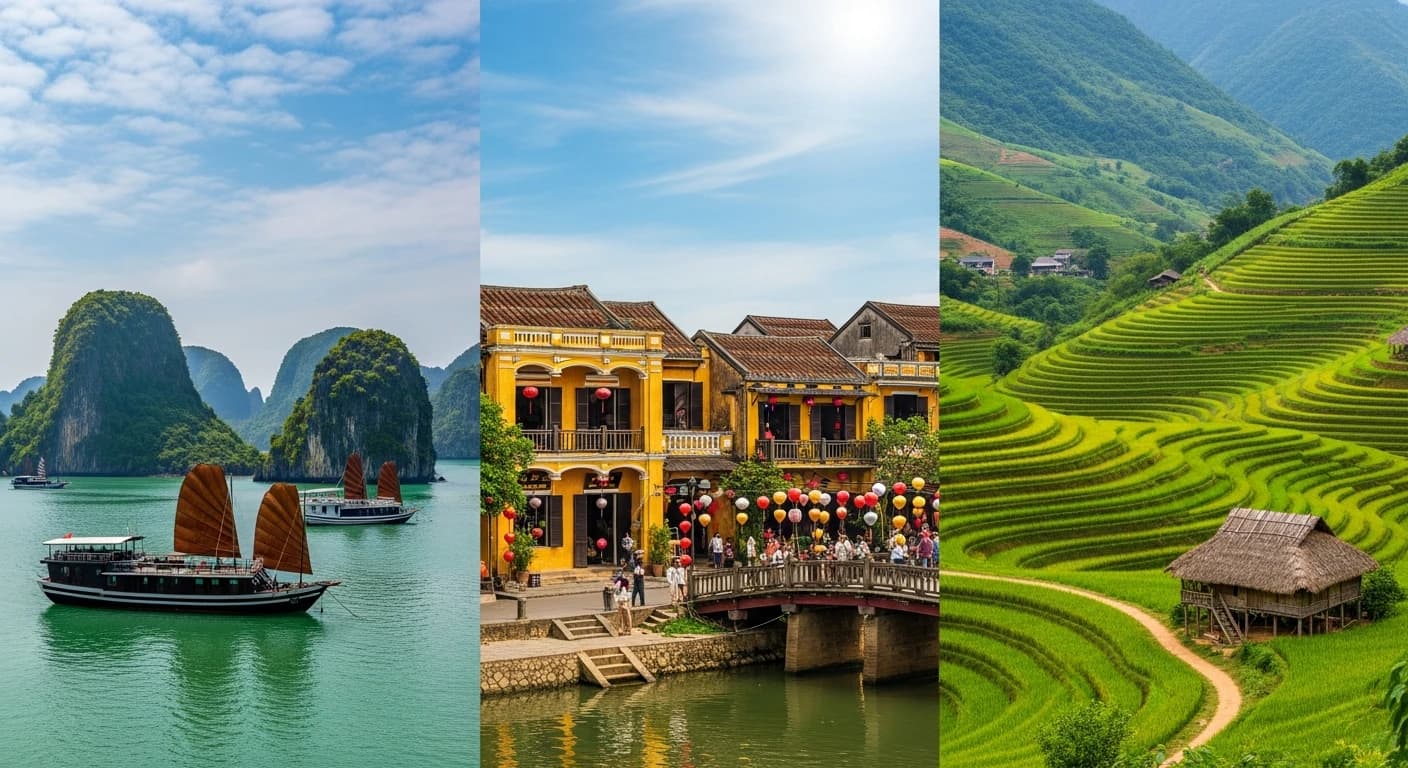
Halong Bay: A UNESCO World Heritage site, Halong Bay’s emerald waters and limestone karsts are best experienced on an overnight cruise. I booked a mid-range cruise that included kayaking, cave visits, and fresh seafood meals—truly magical.
Hoi An: This ancient town is famous for its lantern-lit evenings and tailor shops. I had clothes custom-made here and enjoyed cycling through rice paddies and visiting nearby beaches.
Ho Chi Minh City: The energetic southern metropolis offers a blend of history and modernity. I visited the War Remnants Museum, explored vibrant street food markets, and took a day trip to the Cu Chi tunnels to understand Vietnam’s wartime history.
Mekong Delta: For a glimpse of rural life, I took a boat tour through the Mekong Delta, visiting floating markets and riverside villages. It was a serene contrast to the bustling cities.
Local Food, Culture, and Lifestyle
Vietnamese cuisine is a highlight of any trip here. I savored pho (noodle soup), banh mi (Vietnamese sandwich), fresh spring rolls, and the famous egg coffee in Hanoi. Street food stalls are everywhere and surprisingly hygienic, offering authentic flavors at very low prices.
The culture is warm and welcoming. I found locals to be friendly and eager to share their traditions. Motorbikes dominate the streets, and crossing roads is an adventure in itself, requiring confidence and a steady pace. Public transport mainly consists of buses and taxis, but ride-hailing apps like Grab make getting around easy and affordable.
Cost Optimization and Practical Travel Planning
Vietnam is a budget-friendly destination, but costs can vary depending on your style of travel. Here are some tips from my experience:
- Book flights early: Secure your international and domestic flights in advance to get the best deals.
- Choose local eateries: Street food is delicious and cheap, often costing less than INR 100 per meal.
- Use public transport and ride-hailing apps: They are reliable and cost-effective.
- Travel off-season: Visiting during shoulder seasons like March-April or September-October can lower accommodation and flight costs.
- Group tours: Joining group excursions can reduce costs for popular attractions like Halong Bay cruises or Mekong Delta tours.
In summary, a Vietnam tour package from India in 2026 offers an incredible blend of adventure, culture, and relaxation at a reasonable cost. With proper planning, you can explore this dynamic country with ease and create memories that last a lifetime. I hope my firsthand experiences help you embark on your own unforgettable Vietnamese journey.