
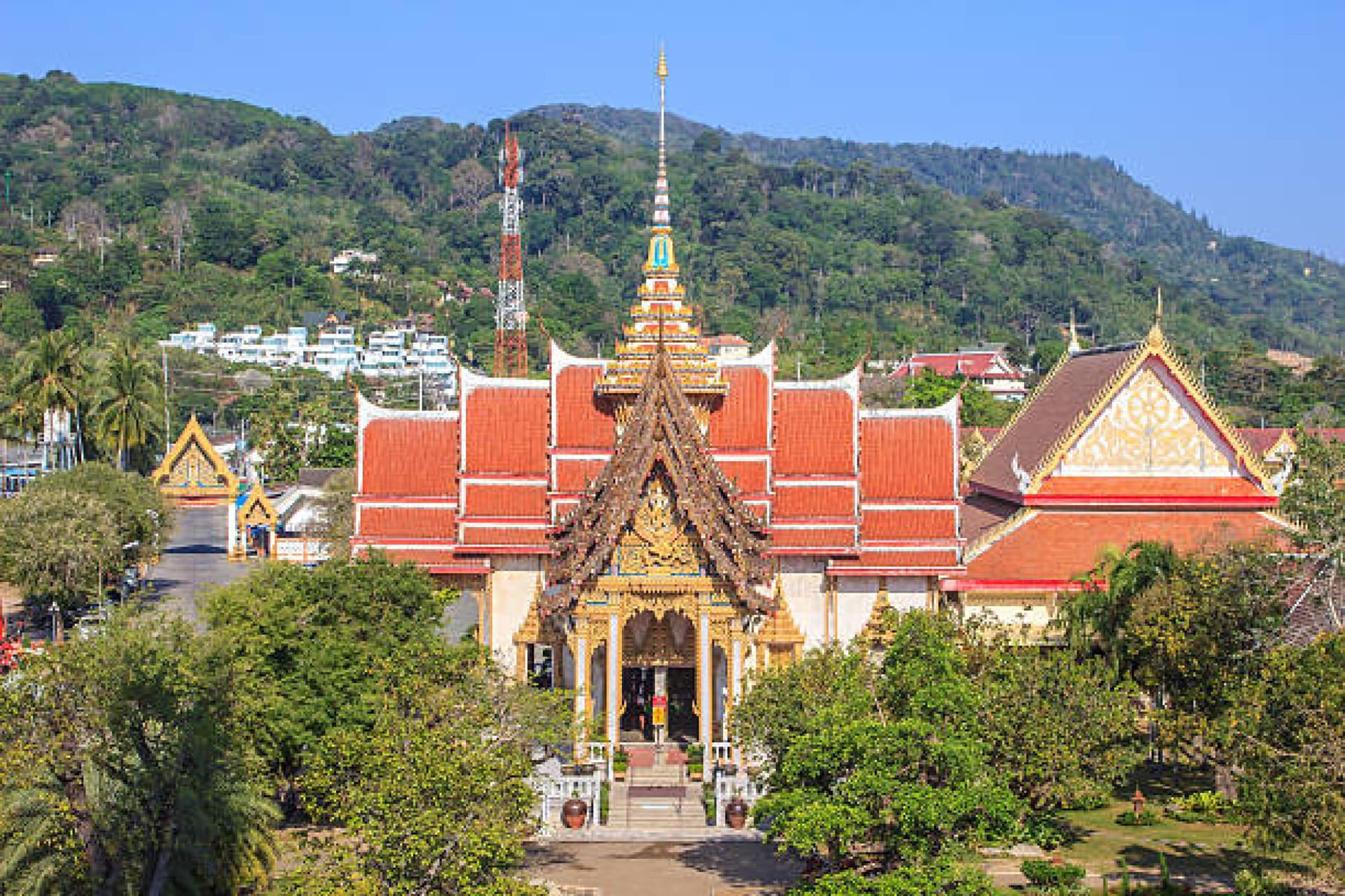
Wichit Sangkaram Temple, also known as Wat Wichit Sangkaram, is a Buddhist temple located in the heart of Phuket Town, Thailand. Here are some key details about this temple:
-
Location: Wat Wichit Sangkaram is situated on Luangpoh Cham Road in Phuket Town, making it easily accessible for visitors exploring the town.
-
Cultural Significance: The temple is a place of religious and cultural significance for the local community. It is one of the prominent Buddhist temples on the island of Phuket.
-
Architecture: Wat Wichit Sangkaram features traditional Thai Buddhist architecture with intricate designs, vibrant colors, and ornate decorations. The main hall, pagodas, and surrounding structures are adorned with religious symbols and imagery.
-
Luang Por Cham: The temple is known for its principal Buddha image, Luang Por Cham, which is enshrined within the main hall. Devotees often visit the temple to pay respects to this revered statue.
-
Religious Practices: Wat Wichit Sangkaram is an active temple where Buddhist ceremonies and religious practices take place. Visitors may have the opportunity to observe or participate in traditional rituals and ceremonies.
-
Vegetarian Festival: The temple plays a role in the annual Phuket Vegetarian Festival, a significant Taoist event marked by processions, rituals, and acts of self-mortification. During the festival, the temple is a focal point for devotees and participants.
-
Visiting Information: The temple is open to visitors, and it's a serene place for those interested in exploring Thai Buddhist culture and architecture. Visitors are advised to dress modestly when entering the temple grounds.
-
Festivals and Events: Depending on the time of your visit, you may encounter special events, festivals, or religious celebrations taking place at Wat Wichit Sangkaram. These occasions can provide a deeper insight into the local culture and traditions.
When planning a visit to Wat Wichit Sangkaram, it's always a good idea to check for any specific events or ceremonies taking place during your visit. Additionally, respecting the temple's rules and cultural practices enhances the experience for both visitors and the local community.