Toll Free Customer Care
+(1) 123 456 7890Need live support?
support@hectindia.comFollow us on social media


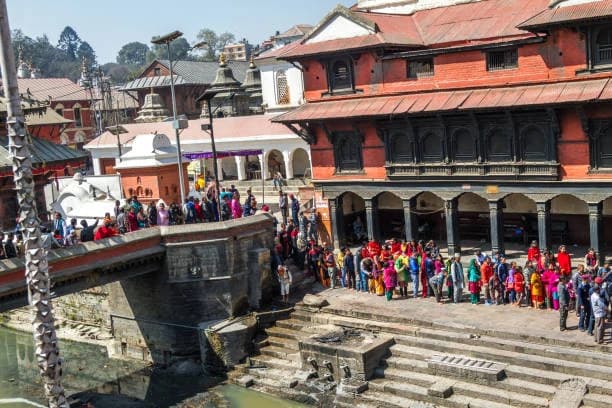
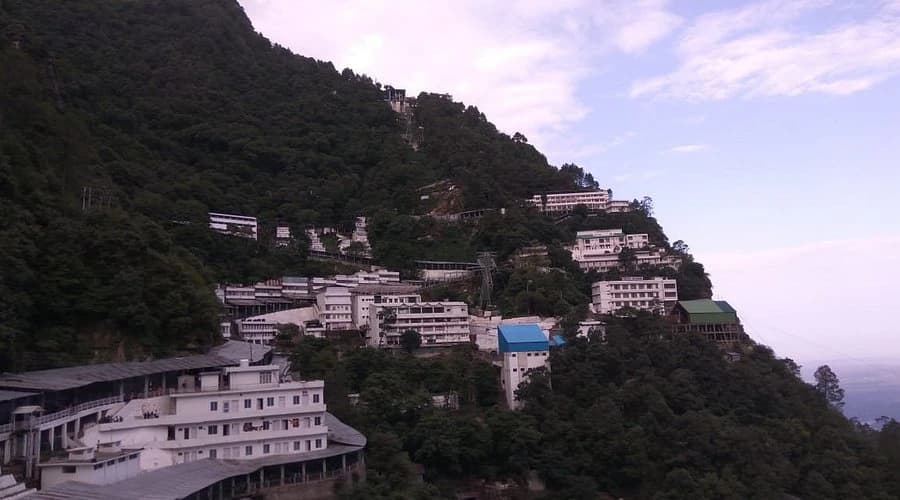
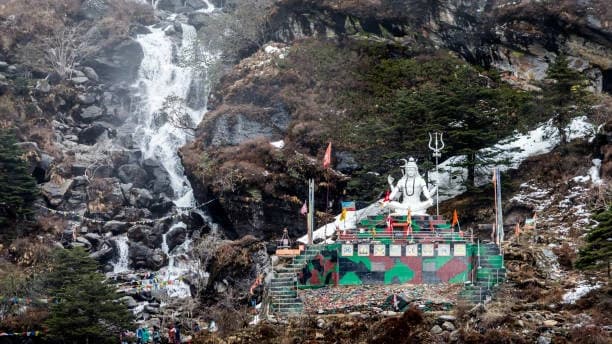
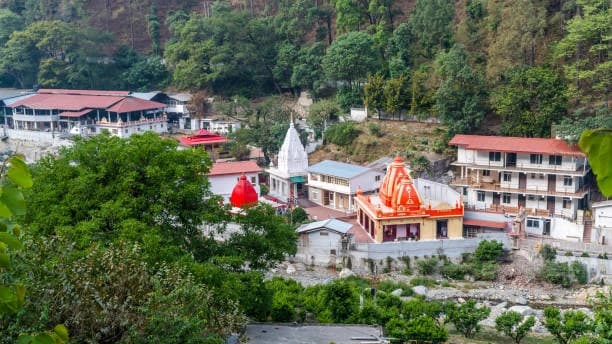
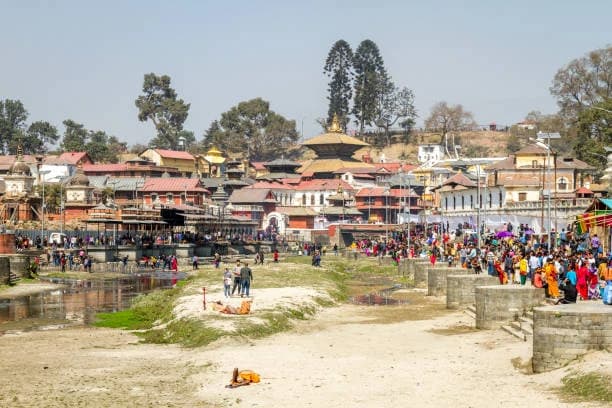
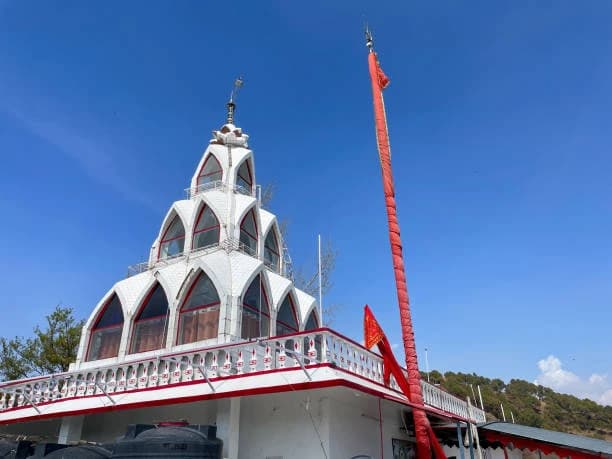
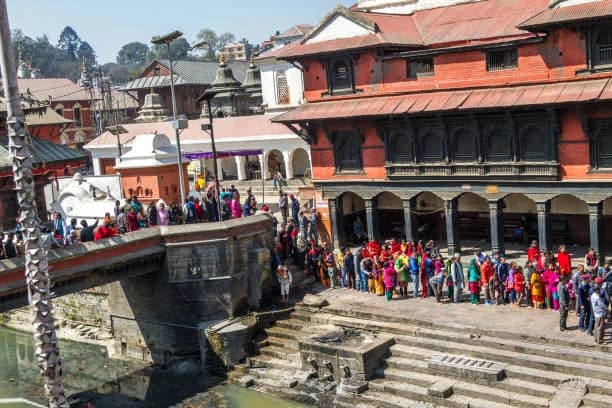
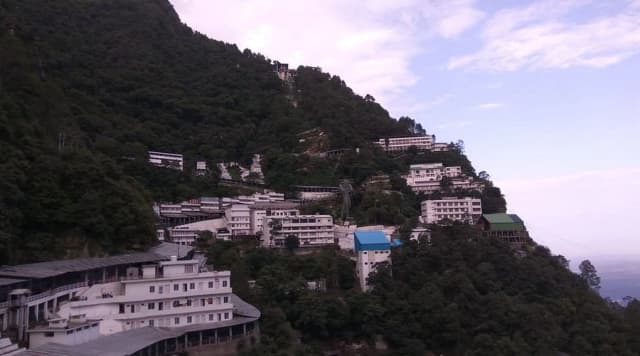
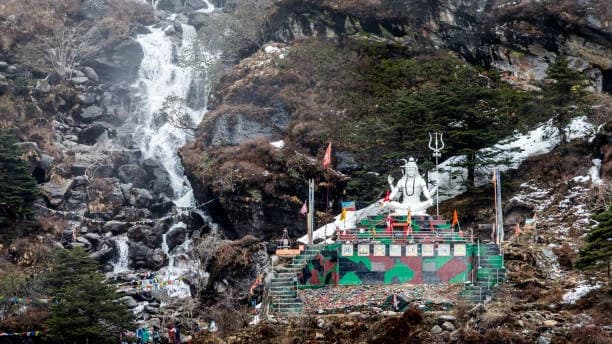
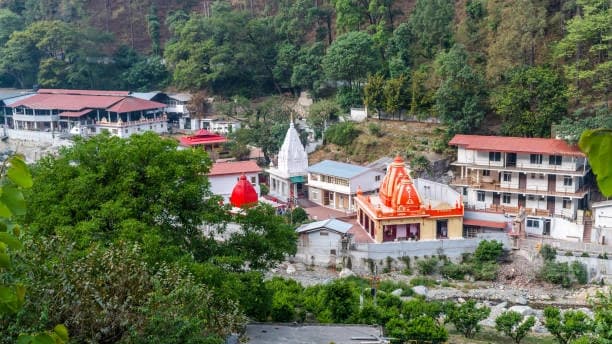
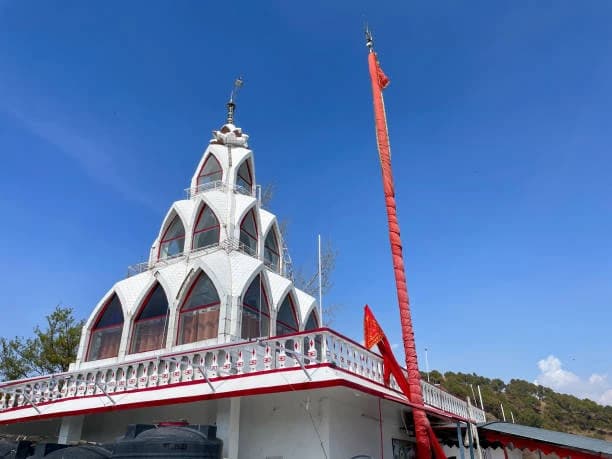
The Bhairo Baba Temple is a revered religious site nestled in the picturesque hills of Uttarakhand, India. Situated near the famous Badrinath Temple, this temple holds significant importance among devotees who visit the area for pilgrimage. Known for its spiritual aura and breathtaking views, the Bhairo Baba Temple is a must-visit destination for those interested in both culture and adventure. In this guide, we will explore everything you need to know about this unique place, including its location, connectivity, nearby attractions, best time to visit, and more.
The Bhairo Baba Temple is located in the Badrinath region of Uttarakhand, India. Specifically, it is perched on a hilltop that overlooks the Badrinath Temple, making it a popular stop for pilgrims heading to the renowned Badrinath Dham.
The temple is dedicated to Bhairo Baba, who is believed to be a guardian deity of Badrinath Temple. According to local belief, worshipping Bhairo Baba is important for the success of the pilgrimage to Badrinath. Pilgrims often trek up the hill to visit the temple and seek his blessings for a safe and prosperous journey. The temple's serene atmosphere, along with the majestic view of the snow-capped Himalayan mountains, makes it a favorite spot for both spiritual seekers and nature lovers.
The nearest airport to the Bhairo Baba Temple is Jolly Grant Airport in Dehradun, which is about 314 kilometers away. From the airport, you can take a taxi or a private vehicle to reach Badrinath, the closest town to the temple.
The nearest railway station is Rishikesh Railway Station, located approximately 300 kilometers from Badrinath. From Rishikesh, travelers can hire taxis or take a bus to reach Badrinath.
The most common way to reach Bhairo Baba Temple is by road. You can drive to Badrinath from Rishikesh, Haridwar, or Dehradun. The journey takes you through beautiful hill stations, and the roads are well-maintained, although the high-altitude terrain can be challenging.
Once you reach Badrinath, the Bhairo Baba Temple is about 1.5 kilometers from the main town center, and you can reach it by foot or by a short vehicle ride followed by a short trek up the hill.
To reach the Bhairo Baba Temple, pilgrims typically embark on a short trek from Badrinath Temple. The trek is around 1.5 kilometers long and takes about 30 to 45 minutes depending on one's physical fitness. The uphill climb offers a beautiful view of the Badrinath region, with the Alaknanda River flowing below and the majestic Himalayan peaks rising above. The trek is relatively easy, and pilgrims are often accompanied by guides, making it an enjoyable experience.
Located just a short distance from the Bhairo Baba Temple, the Badrinath Temple is one of the Char Dham pilgrimage sites and is dedicated to Lord Vishnu. Visiting the Badrinath Temple is a must for all those who come to the area. The temple, surrounded by snow-capped mountains and the picturesque Alaknanda River, offers a spiritual and serene environment.
A few kilometers from Badrinath, Mana Village is the last village on the Indian side before the border with China. It is famous for its ancient traditions, the Vyas Gufa (cave), and the Bheem Pul, a natural rock bridge believed to have been built by Bhima of the Mahabharata.
Located near the Badrinath Temple, Tapt Kund is a hot spring where pilgrims take a dip before offering prayers at the temple. The thermal spring is believed to have therapeutic properties, making it an essential stop for visitors.
Neelkanth Peak is the highest mountain in the region and offers stunning views of the surrounding landscape. Though reaching the summit requires advanced trekking, it is worth visiting the base for a closer look at the majestic peak.
The best time to visit the Bhairo Baba Temple is during the summer months, from May to October. During this period, the weather is pleasant, and the temple remains accessible for the Amarnath Yatra and other pilgrimages.
The winter months (November to April) are extremely cold, and the temple may be covered in snow, making it difficult to access. The monsoon season (June to August) can also be challenging due to heavy rainfall and the risk of landslides, so it is advisable to avoid visiting during these months.
Spiritual Significance: The Bhairo Baba Temple is believed to be a place where Bhairo Baba, a fierce guardian deity, offers protection and blessings to pilgrims visiting Badrinath Temple. Pilgrims trek to the temple to seek the deity's divine blessings for a safe and successful pilgrimage.
Stunning Views: Situated atop a hill, the temple offers panoramic views of the Badrinath region, including snow-capped peaks, lush green valleys, and the flowing Alaknanda River.
Easy Trek: The trek to the Bhairo Baba Temple is short but rewarding. It provides an opportunity to experience the beauty of the region while making the journey towards this revered temple.
Peaceful Ambiance: Away from the crowds, the Bhairo Baba Temple offers a calm and peaceful atmosphere for reflection and prayer, providing a spiritual respite for all visitors.
The average time spent at the Bhairo Baba Temple varies depending on the visitor's schedule. The trek from Badrinath typically takes about 30 to 45 minutes to reach the temple, and visitors often spend 30 minutes to 1 hour at the temple for prayers and exploring the area.
Overall, visitors typically spend about 2 to 3 hours for the entire visit, including the trek, temple visit, and exploration of the surroundings.
While the Bhairo Baba Temple itself does not have food stalls or restaurants, there are several eateries and local food options available in Badrinath. Badrinath town has various dhabas (local restaurants), hotels, and guesthouses that offer basic vegetarian meals, snacks, and beverages.
Popular food items include:
There are also small shops selling packaged snacks and water bottles on the way to the temple.
Public transport options near the Bhairo Baba Temple are limited due to its high-altitude location. Most visitors hire taxis or private vehicles to reach Badrinath and then trek up to the temple.
For more information, you can contact the Badrinath Temple Management Committee or the local tourism office.