Toll Free Customer Care
+(1) 123 456 7890Need live support?
support@hectindia.comFollow us on social media


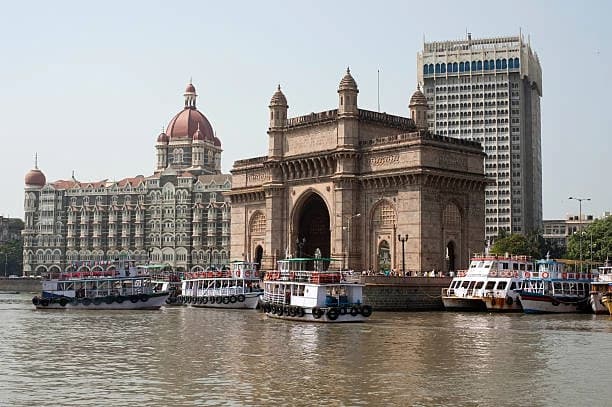
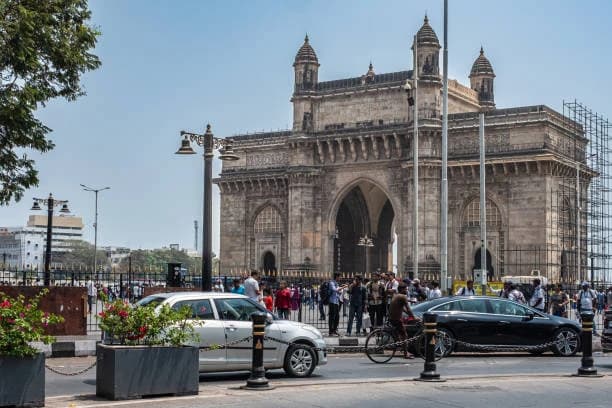
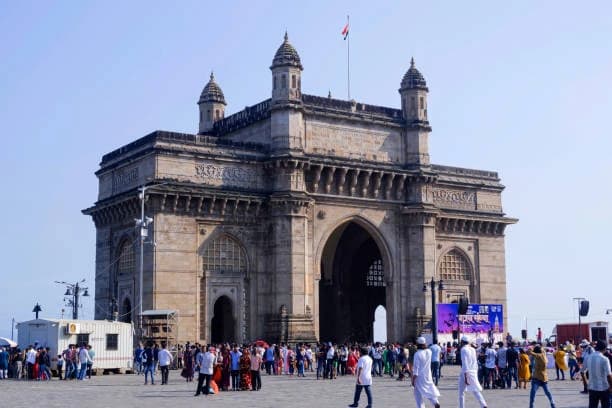
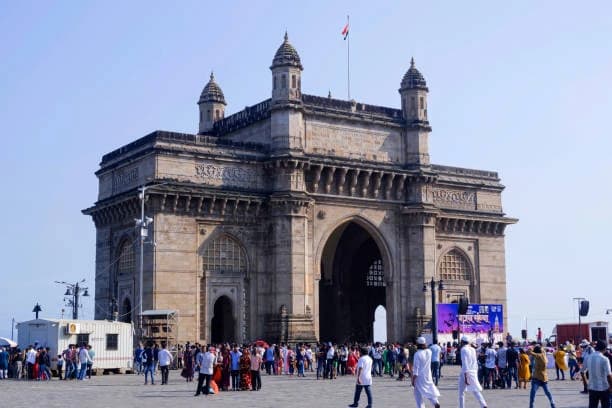
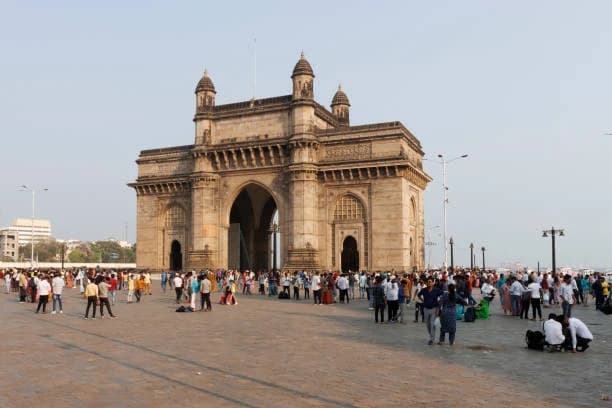
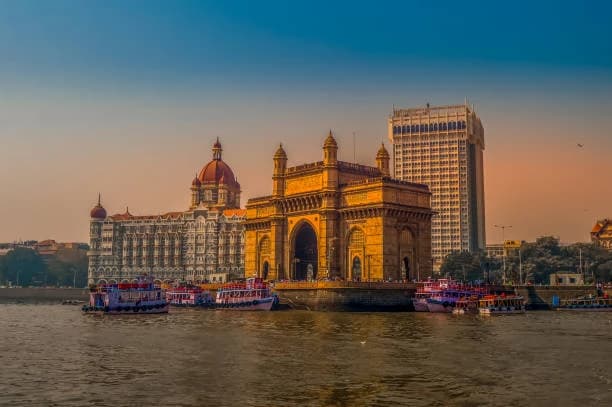
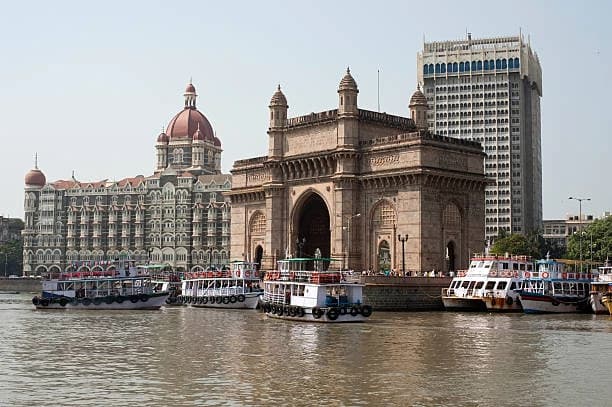
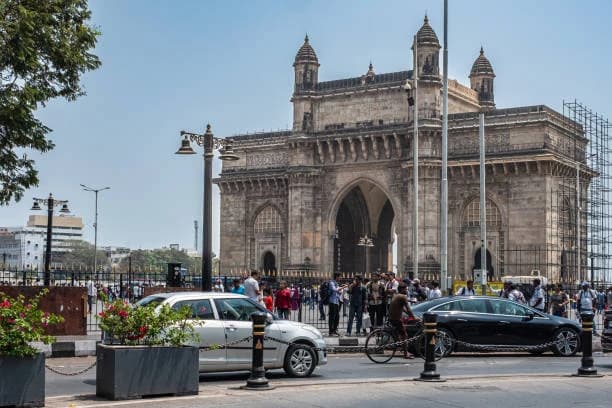
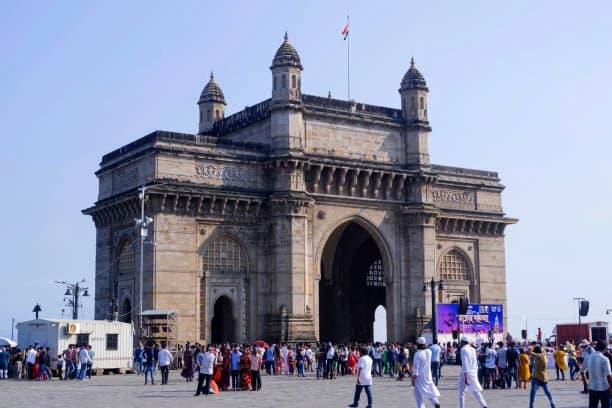
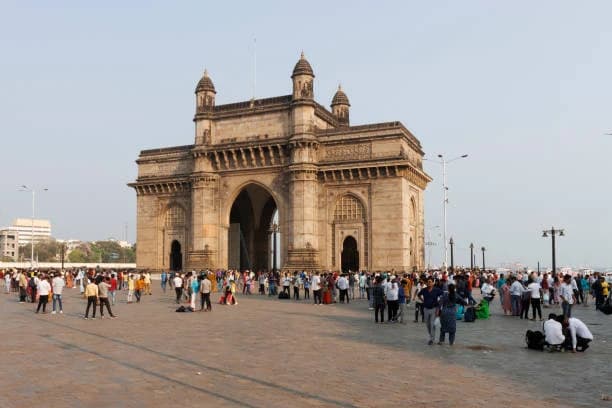
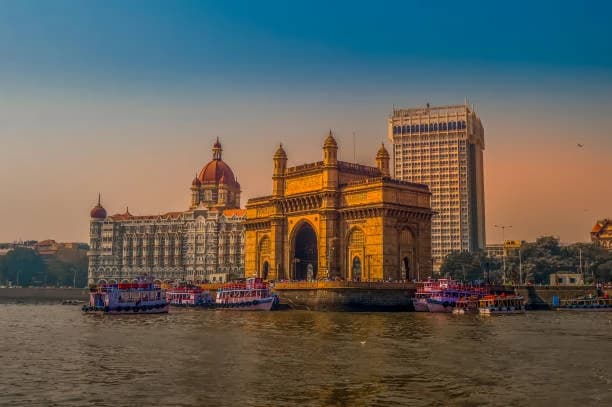
The Gateway of India Mumbai is one of India’s most iconic landmarks, attracting millions of tourists each year. Situated in the bustling city of Mumbai, this majestic structure has become a symbol of the city’s rich history, vibrant culture, and architectural brilliance. Whether you're visiting Mumbai for the first time or a local looking to rediscover this historic gem, the Gateway of India offers an unforgettable experience.
In this detailed guide, we’ll explore everything you need to know about the Gateway of India Mumbai, from its history and location to nearby attractions, connectivity, best time to visit, and more.
The Gateway of India is located in the southern part of Mumbai, facing the Arabian Sea. It is situated in the Colaba area, a popular neighborhood that is known for its colonial architecture, vibrant markets, and scenic waterfront. The monument is right next to the Taj Mahal Palace Hotel, making it a central hub for tourists and locals alike.
The Gateway of India Mumbai was built during the 20th century and stands as a proud reminder of India's colonial past, as well as its remarkable architectural styles. The monument was erected to commemorate the visit of King George V and Queen Mary to India in 1911. Since its completion in 1924, it has served as a symbol of strength and resilience, becoming one of the most photographed landmarks in Mumbai.
The Gateway of India was designed by the famous architect George Wittet, who combined Hindu, Islamic, and Persian architectural styles. The monument stands at 26 meters tall and is made of yellow basalt stone, giving it a regal look. It has a large central arch that is surrounded by intricate carvings and small domes, giving the monument a truly majestic appearance.
Historically, the Gateway of India was a major entry point for visitors arriving in India by sea, especially during the British colonial era. The monument became even more significant when, in 1948, the last British troops left India through the Gateway marking the end of British rule and India’s independence.
Today, the Gateway of India Mumbai continues to stand as a symbol of Mumbai’s welcoming spirit, representing the city’s strong cultural identity.
While the Gateway of India Mumbai itself is a fascinating landmark, there are also plenty of other attractions and places to explore in the area. Some of the most popular nearby attractions include:
Taj Mahal Palace Hotel: Located right next to the Gateway of India, the Taj Mahal Palace Hotel is one of Mumbai’s most luxurious and historic hotels. This iconic building has hosted numerous dignitaries and celebrities over the years.
Colaba Causeway: Colaba Causeway is one of the busiest and most vibrant markets in Mumbai. Visitors can shop for a variety of goods, from clothes and jewelry to souvenirs and antiques. It's a great place to stroll, shop, and explore the heart of Mumbai.
Elephanta Caves: Just a short boat ride from the Gateway of India, the Elephanta Caves are a UNESCO World Heritage Site. The caves house ancient rock-cut temples dedicated to Hindu deities, and are an excellent way to experience Mumbai’s cultural and religious history.
Colaba Police Headquarters: Built in the 19th century, this colonial building is located near the Gateway of India and is an interesting example of British-era architecture.
Chhatrapati Shivaji Maharaj Vastu Sangrahalaya: Known as the Prince of Wales Museum, this museum is a short walk from the Gateway of India and offers an incredible collection of ancient artifacts, sculptures, and artworks from India’s history.
Marine Drive: A 15-minute drive from the Gateway of India, Marine Drive offers a stunning view of the Arabian Sea and is perfect for a leisurely evening walk, particularly during sunset.
The Gateway of India is easily accessible from various parts of Mumbai, thanks to the city’s excellent connectivity through public transport. Here’s how you can reach the Gateway of India Mumbai:
By Train: The nearest railway stations are Churchgate and CST (Chhatrapati Shivaji Maharaj Terminus). Both stations are just a short taxi or bus ride away from the Gateway of India.
By Taxi/Cab: You can hire a taxi or use a ride-sharing app (like Uber or Ola) to reach the Gateway of India. It is well-connected by road and easily accessible from all parts of the city.
By Bus: Several buses ply to the Colaba area, where the Gateway of India is located. You can get down at the Gateway of India bus stop, which is within walking distance from the monument.
By Boat: You can also take a boat ride to nearby Elephanta Caves and other coastal destinations from the Gateway of India. The boat rides depart regularly from the jetty near the monument.
The best time to visit the Gateway of India Mumbai is during the winter months (from November to February), when the weather is cooler and more comfortable for sightseeing. The peak tourist season falls between December and January, so if you prefer to avoid the crowds, it’s better to visit early in the morning or late in the evening.
Monsoon season (from June to September) is generally not recommended for visits due to heavy rainfall and high humidity. However, the Gateway of India looks stunning during a monsoon storm, so it’s ideal for photographers who don’t mind a bit of rain.
Historical Significance: The Gateway of India Mumbai is a living monument to India’s history, serving as a gateway for many dignitaries, including the last British troops to leave India after independence.
Stunning Architecture: The monument’s unique blend of Hindu, Islamic, and Persian architecture makes it one of the most beautiful structures in Mumbai. Its large arch and intricate carvings are a testament to India’s colonial past.
Prime Location: Located in the heart of Mumbai, the Gateway of India is surrounded by several must-visit attractions, making it an excellent starting point for exploring the city.
Boat Rides to Elephanta Caves: The Gateway of India serves as the launch point for boat rides to the nearby Elephanta Caves, making it an important center for tourism in Mumbai.
Spectacular Views: Facing the Arabian Sea, the Gateway of India offers beautiful views of the sea and the coastline. The nearby Taj Mahal Palace Hotel adds to the glamour of the location.
When you visit the Gateway of India, there are plenty of activities to enjoy:
Photography: The monument is one of the most photographed spots in Mumbai. Capture stunning pictures of the Gateway, the Taj Hotel, and the surrounding sea.
Enjoy a Boat Ride: Take a boat ride to Elephanta Caves or explore nearby coastal attractions from the jetty.
Walk Around Colaba Causeway: Shop and explore the vibrant market streets surrounding the Gateway of India.
Enjoy the View: Relax and enjoy the views of the Arabian Sea, especially during sunset when the sky turns orange and the monument’s silhouette is perfect for photos.
A typical visit to the Gateway of India Mumbai takes around 30 minutes to 1 hour for a quick stop, including a walk around the monument and photography. However, if you plan to visit the Elephanta Caves, take a boat ride, or explore nearby attractions, you may spend a few more hours.