
Toll Free Customer Care
+(1) 123 456 7890Need live support?
support@hectindia.comFollow us on social media


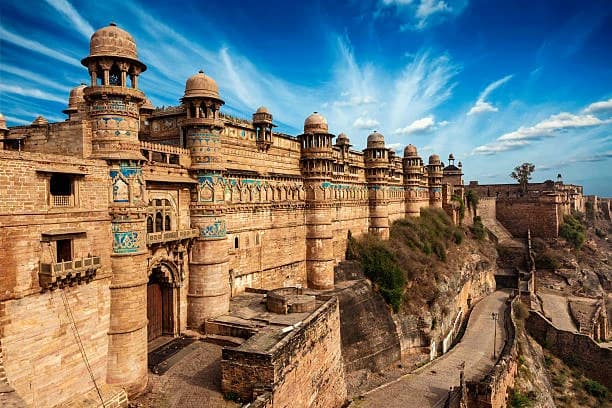
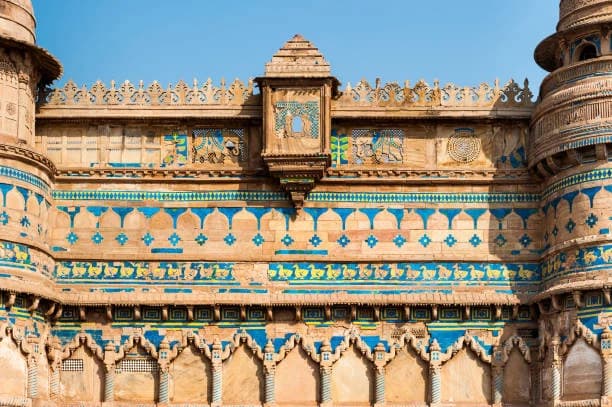
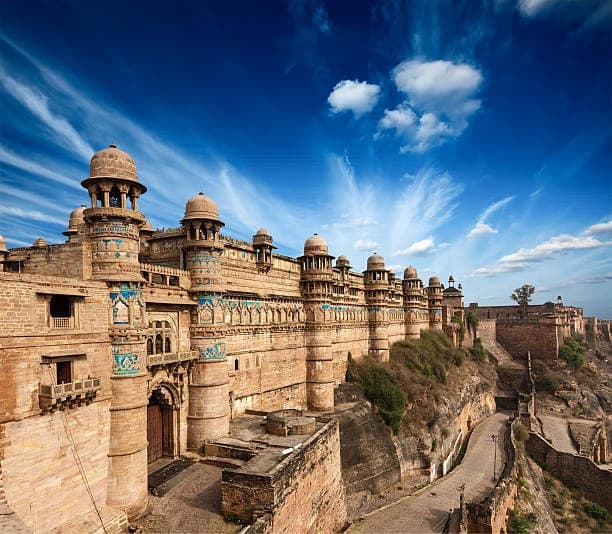
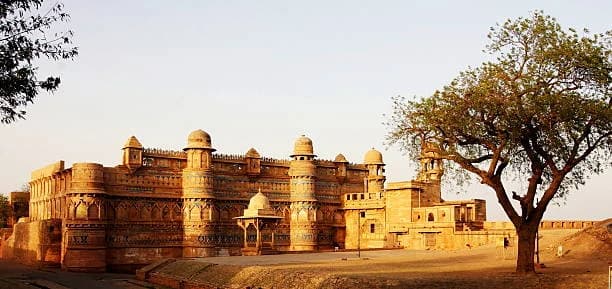
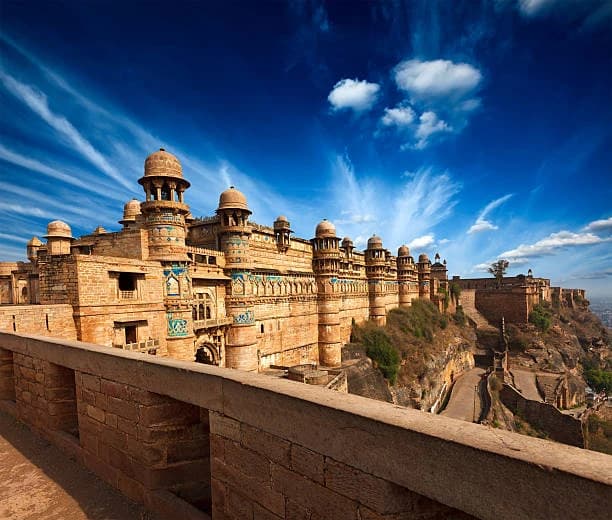
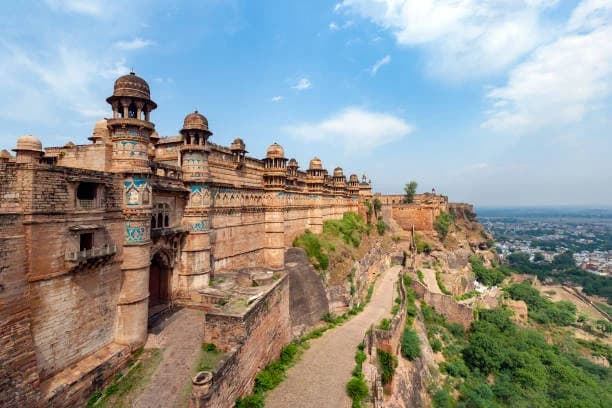
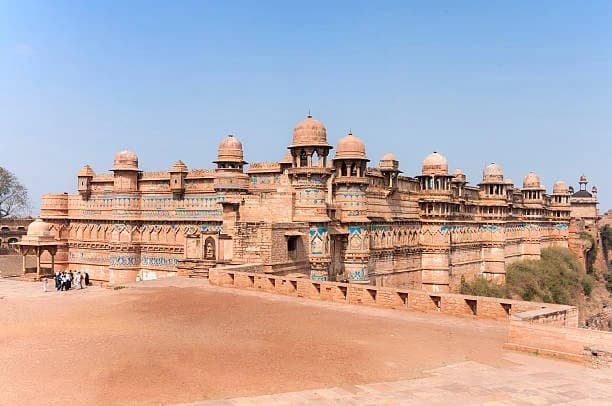
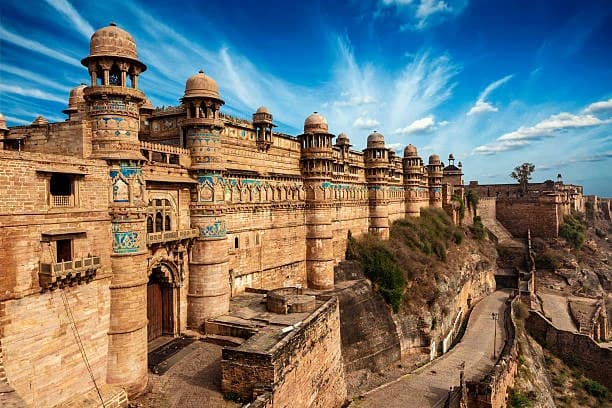
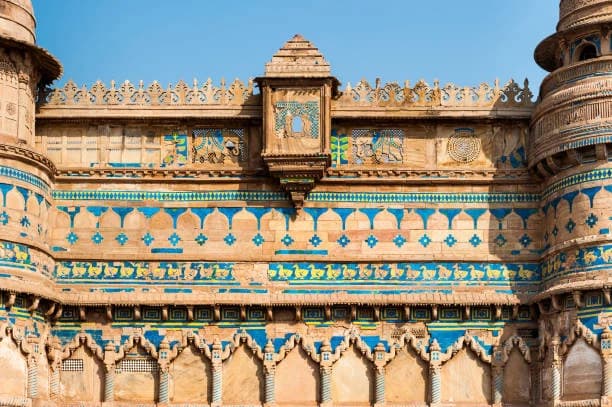
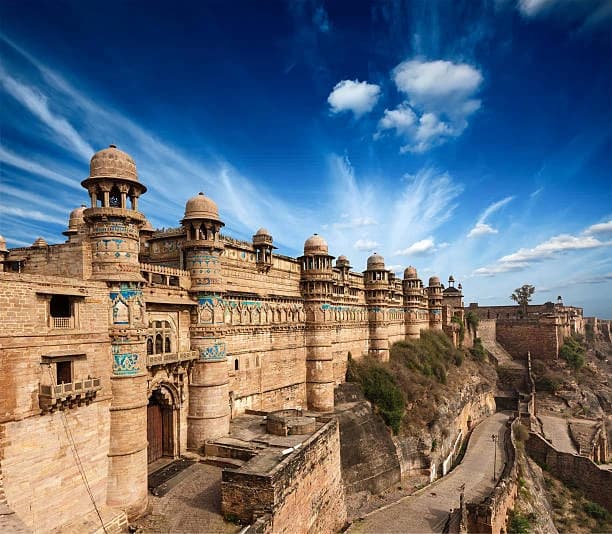
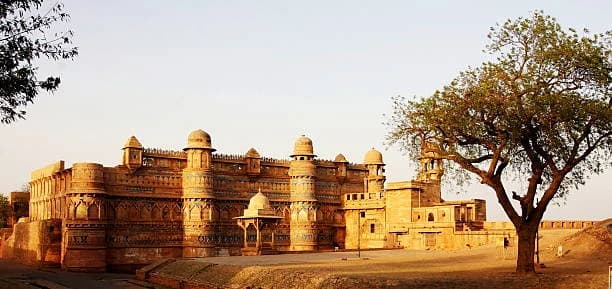
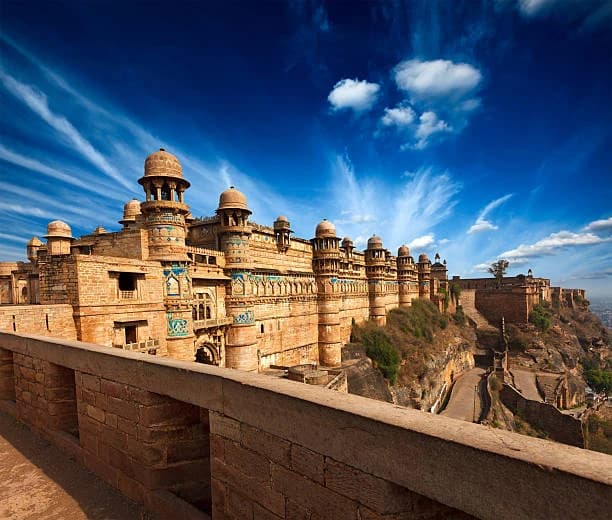
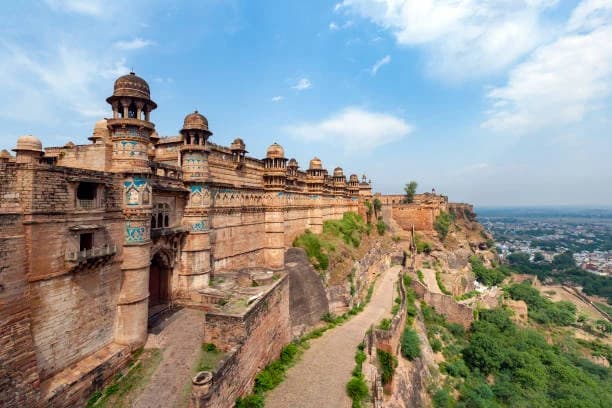
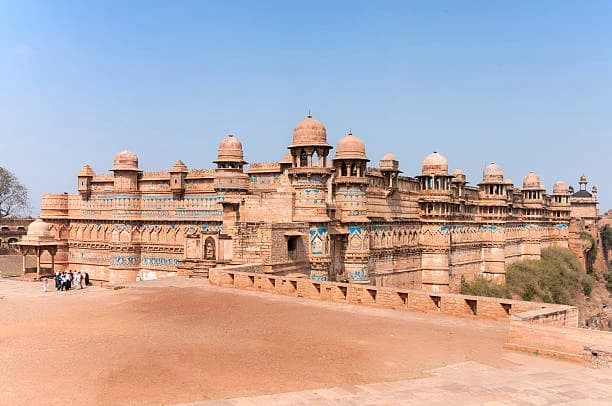
The Gwalior Fort is one of the most prominent and historic landmarks in India. Located in the heart of Gwalior city in Madhya Pradesh, this grand fort is a must-visit destination for history enthusiasts, architecture lovers, and tourists alike. With its towering walls, magnificent palaces, and intricate carvings, the Gwalior Fort offers a fascinating glimpse into India’s rich cultural and historical heritage.
In this guide, we will explore everything you need to know about visiting the Gwalior Fort, including its history, attractions, how to reach it, nearby places to explore, food options, and much more.
The Gwalior Fort stands majestically on a hilltop, dominating the skyline of the city of Gwalior, Madhya Pradesh. The fort is one of the oldest and largest in India, with a history dating back to the 8th century. It has been a witness to various dynasties and rulers, including the Tomars, Mughals, and Marathas, each of whom left their mark on the fort's architecture and structure.
The Gwalior Fort is spread across an area of around 3 square kilometers (1.2 square miles), making it one of the largest hill forts in India. The fort’s strategic location offers panoramic views of the surrounding city and landscape, making it an iconic site for both historical exploration and photography.
The Gwalior Fort is well connected by road, rail, and air, making it easily accessible for tourists from both local and international destinations.
The nearest airport to Gwalior Fort is Gwalior Airport, located just 8 km (5 miles) away from the fort. The airport is connected to major Indian cities like Delhi, Mumbai, and Bengaluru. From the airport, you can hire a taxi or take an auto-rickshaw to the fort.
Gwalior Junction is the main railway station in the city and is well connected to major cities across India, including Delhi, Agra, and Mumbai. The railway station is approximately 3 kilometers (1.8 miles) away from Gwalior Fort. From the station, you can take a taxi, rickshaw, or even walk to the fort.
Gwalior is well connected to other cities in Madhya Pradesh and nearby states. It is about 118 km (73 miles) from Agra, and 319 km (198 miles) from Delhi. The city is accessible via national highways and state roads, making it a convenient destination for road trips.
Buses, taxis, and private vehicles are easily available from nearby cities to Gwalior. Once you reach the city, the Gwalior Fort is easily accessible via local transport options like auto-rickshaws and taxis.
The Gwalior Fort is not only an architectural marvel but also a hub of historical and cultural significance. There are many attractions within and around the fort complex that you can explore.
One of the most important attractions within the Gwalior Fort is the Man Singh Palace, built by Maharaja Man Singh during the Tomar dynasty. The palace is a stunning example of Indo-Aryan architecture, with intricate carvings, murals, and beautiful courtyards. The palace offers a glimpse into the grandeur and lifestyle of the royal family.
Located just outside the fort, the Jai Vilas Palace is an 18th-century palace that was once the residence of the Scindia rulers. It is known for its opulent interiors, including the famous Darbar Hall, which houses two of the world’s largest chandeliers. The palace is now a museum, showcasing a collection of antiques, artworks, and royal memorabilia.
The massive fort walls are one of the most striking features of the Gwalior Fort. The walls, which stretch for several kilometers, are adorned with impressive stone carvings and inscriptions. These walls were designed to provide protection and also served as a platform for defense strategies during battles.
Within the fort, you can also visit the Gupta Temple, which dates back to the 6th century. The temple is famous for its unique architectural style and ancient stone carvings that showcase early Hindu art.
The Saas-Bahu Temples are located near the Gwalior Fort and are dedicated to Lord Vishnu. These temples are known for their stunning carvings and detailed sculptures. The name “Saas-Bahu” translates to “mother-in-law and daughter-in-law,” a reference to the belief that these temples were built by a mother-in-law for her daughter-in-law.
Another important temple inside the Gwalior Fort is the Teli Ka Mandir, a Hindu temple with a distinct blend of architectural styles, including both North Indian and South Indian influences. It is dedicated to Lord Vishnu and is known for its tall, curvaceous structure.
The Gwalior Fort is well-connected to several major cities in India. Here are the approximate distances:
These distances make Gwalior Fort an excellent destination for a weekend trip or a day excursion from nearby cities.
There are several dining options near Gwalior Fort and within the city of Gwalior. Whether you're looking for traditional Indian food or international cuisine, you’ll find a wide variety of restaurants and eateries.
Baba Gokul Restaurant: Located near Gwalior Fort, this restaurant serves North Indian, South Indian, and Chinese cuisine. It is popular for its clean ambiance and affordable prices.
Shree Gajanan Bhojanalay: If you’re looking for a traditional, vegetarian meal, this place is a great option. It offers simple but delicious Indian dishes.
The Royal Treat: For a more upscale dining experience, head to The Royal Treat. Located in the city center, it offers multi-cuisine options and a great atmosphere.
Saffron: Located in Gwalior Marriott Hotel, Saffron is known for its fine dining experience and a variety of Indian and international dishes.
While Gwalior Fort is easily accessible via local transport, public buses, auto-rickshaws, and taxis are common modes of transport in the city. You can also rent a cycle or bicycle for a more leisurely exploration of the area.
Other nearby attractions include:
The best time to visit the Gwalior Fort is during the winter months (October to March), when the weather is cooler and more pleasant. The summer months (April to June) can get very hot, with temperatures rising above 40°C (104°F), making sightseeing uncomfortable.
On average, visitors spend around 2-3 hours exploring the Gwalior Fort and its various attractions. If you plan to visit the nearby attractions like Jai Vilas Palace or the Gwalior Zoo, you may want to spend an entire day in the city.