
Guide
0.0(0)
Chaudhary Charan Singh International Airport -LKO
Lucknow
Not rated




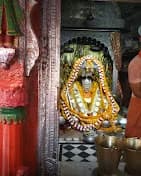
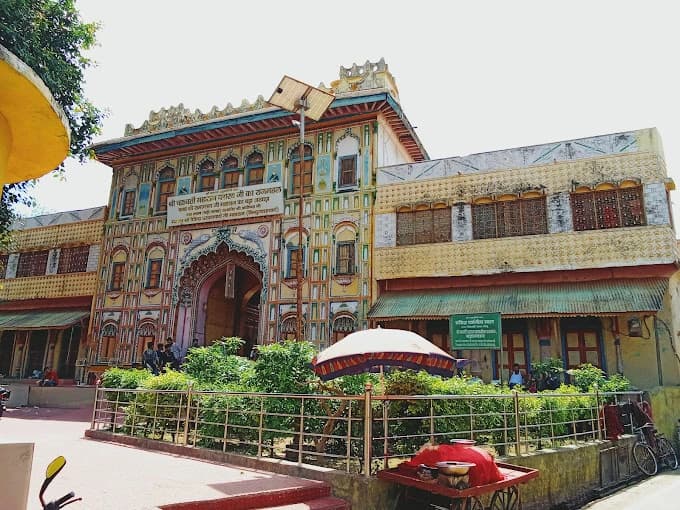
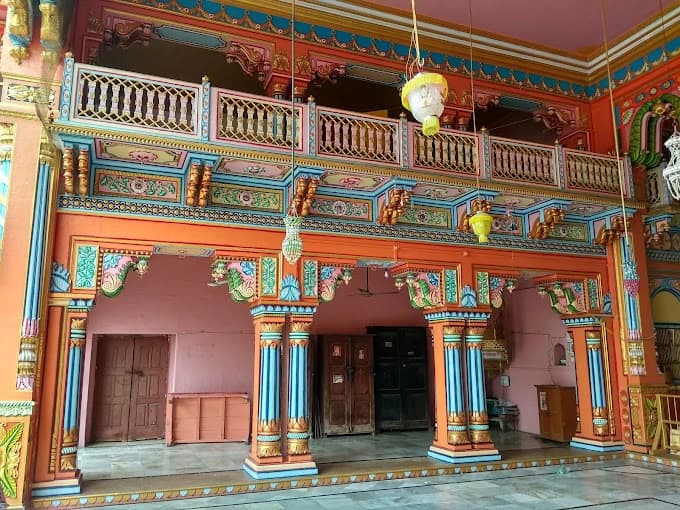
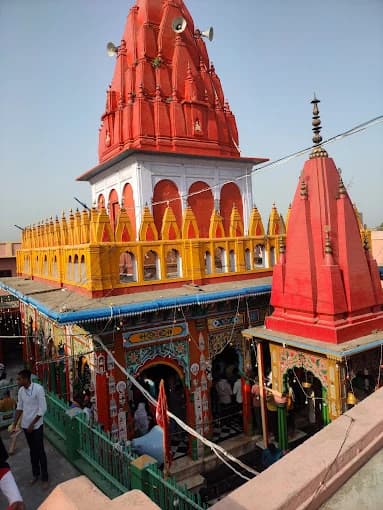

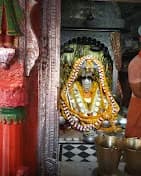
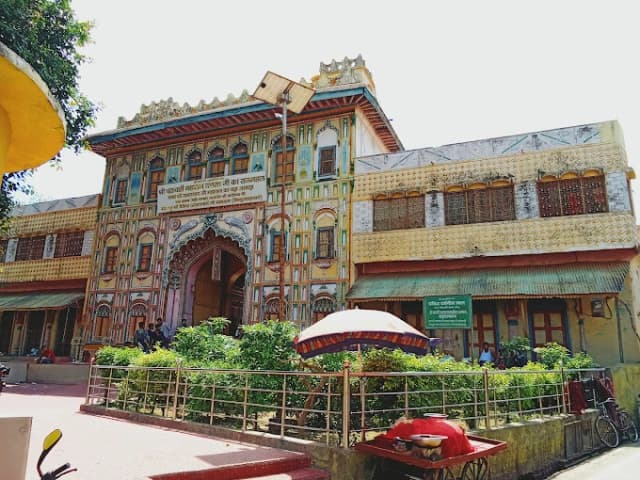
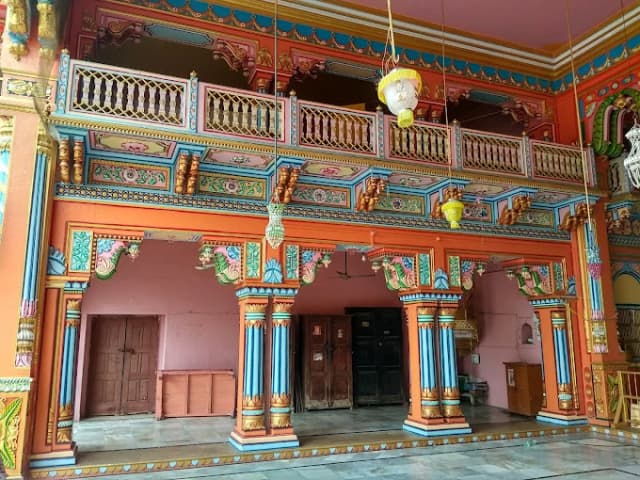
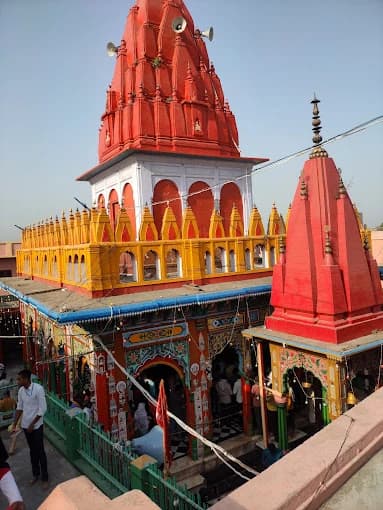
Hanuman Garhi Temple is one of the most visited religious and cultural landmarks in India, located in the city of Ayodhya, Uttar Pradesh. It is dedicated to Lord Hanuman, one of the most revered deities in Hinduism. Visitors come to this temple not just for religious purposes but also to experience its rich culture, serene atmosphere, and beautiful surroundings. The temple is located on a hilltop, offering panoramic views of the city. This article will guide you with all the information you need to visit the Hanuman Garhi Temple, making your journey comfortable and enjoyable.
The Hanuman Garhi Temple is an ancient structure with a historical significance. It is believed to be the place where Lord Hanuman lived while in Ayodhya. The temple is situated on a hilltop, which requires climbing a series of steps to reach the shrine. The temple attracts both religious devotees and tourists who wish to experience its beauty, calmness, and spiritual vibes.
The Hanuman Garhi Temple is a religious site, but it also doubles as a cultural and historical place of interest. People from all walks of life visit the temple, including spiritual seekers, history enthusiasts, and tourists. The temple is situated in a quiet area, offering a peaceful atmosphere, making it an ideal spot for meditation and reflection. The views from the top are breathtaking, providing visitors with a glimpse of the surrounding city and the Ganges River.
The Hanuman Garhi Temple is deeply embedded in the culture of Ayodhya. It is part of the larger religious landscape of the city, which is known for its association with Lord Rama and other significant deities in Hinduism. The temple's architecture reflects traditional Hindu designs, and the rituals performed here are part of the daily life of the people in Ayodhya. Visitors often find the temple’s rituals to be a way to connect with the divine and learn about the local customs and traditions.
When visiting the Hanuman Garhi Temple, it is important to dress modestly and respectfully. Since it is a religious site, visitors are expected to wear clothing that covers their shoulders and knees. Light, comfortable clothing such as cotton clothes is ideal, especially if you plan to climb the steps to the temple. However, avoid wearing sleeveless tops, shorts, or skirts. Wearing comfortable footwear is also recommended because the steps leading up to the temple can be quite steep.
The best time to visit the Hanuman Garhi Temple is during the cooler months of the year, from October to March. The weather during these months is pleasant, making the climb and your visit more enjoyable. If you visit during summer (April to June), it can get very hot, so it’s better to go early in the morning or late in the evening to avoid the heat. Avoid visiting during monsoon season (July to September) as the area may experience heavy rains, making the climb slippery and less safe.
When visiting the Hanuman Garhi Temple, it is recommended to carry a few essentials to make your trip more comfortable:
Water Bottle: Stay hydrated, especially during the climb.
Sunscreen & Hat: Protection from the sun is important, especially in warmer months.
Camera/Phone: Capture the beauty of the surroundings and the temple.
Light Snacks: You may need a small snack during your visit.
A Small Bag: Carry your belongings in a light, secure bag.
There are a few things that you should avoid carrying when visiting the Hanuman Garhi Temple:
Large Bags or Backpacks: These may not be allowed inside the temple.
Liquor, Meat, or Non-Vegetarian Food: As this is a religious site, it is not appropriate to bring such items.
Plastic Bags: To help keep the environment clean, it is better to avoid using plastic bags.
The rituals at the Hanuman Garhi Temple are an essential part of the experience. Every day, devotees participate in a series of prayers and offerings. The morning and evening aartis (ritual prayers) are particularly significant, with devotees chanting mantras and singing devotional songs to Lord Hanuman. The temple’s priests perform regular pujas (prayer rituals), and visitors often take part by offering flowers, sweets, and other items to the deity. The atmosphere during these rituals is spiritual and uplifting, making it a memorable part of the visit.
The Hanuman Garhi Temple is well connected to several important landmarks in Ayodhya:
Ayodhya Railway Station: The temple is located around 3-4 km from the railway station, which can be reached in about 10-15 minutes by car or rickshaw.
Ayodhya Bus Station: The distance from the bus station is also about 4 km, taking around 10-15 minutes by car.
Ram Janmabhoomi: This major religious site is approximately 5 km from Hanuman Garhi Temple. It is easily accessible by taxi or local transport.
While there are no food stalls directly inside the temple premises, there are many food options available nearby. You can find small eateries and stalls around the temple complex offering snacks and light meals. These typically include vegetarian dishes such as chaat, samosas, and sweets. For more substantial meals, there are several restaurants and dhabas in Ayodhya that serve local and regional Indian cuisine. If you plan to stay in Ayodhya for a longer period, you can explore various food options ranging from street food to traditional meals at local restaurants.
Ayodhya is a well-connected city, and there are several ways to reach Hanuman Garhi Temple:
Auto Rickshaws: These are the most common and affordable mode of transport in Ayodhya. They can take you directly to the temple from anywhere in the city.
Taxis and Cabs: You can hire a private cab for a more comfortable ride to the temple, especially if you are traveling with family or in a group.
Buses: Local buses are available and can drop you near the temple, but they may not always be the most convenient option, especially during peak hours.
While you are in Ayodhya, make sure to visit these nearby attractions:
Ram Janmabhoomi Temple: The birthplace of Lord Rama is one of the most significant and visited temples in India.
Kanak Bhawan: This is another important temple in Ayodhya dedicated to Lord Rama and Goddess Sita.
Shri Rishabhdeo Temple: This is an ancient Jain temple located not far from the Hanuman Garhi Temple.
Saryu River: A visit to the sacred Saryu River is essential while in Ayodhya, where you can take a boat ride or simply enjoy the peaceful atmosphere.
On average, visitors spend about 1 to 2 hours at the Hanuman Garhi Temple. This includes time for the climb, visiting the temple, taking part in the rituals, and enjoying the view from the top. If you plan to explore the surrounding areas or other nearby attractions, you may need to allocate more time for your visit.
The Hanuman Garhi Temple is open throughout the week, and the temple’s opening hours are as follows:
Morning: 4:00 AM to 12:00 PM
Evening: 3:00 PM to 9:00 PM
It’s recommended to arrive early in the morning to avoid the crowds and enjoy the peaceful atmosphere.