Toll Free Customer Care
+(1) 123 456 7890Need live support?
support@hectindia.comFollow us on social media


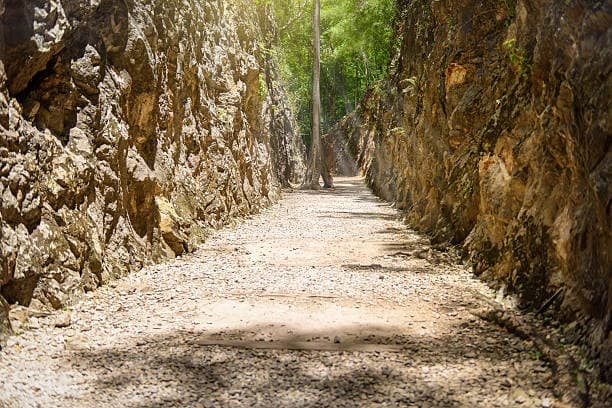
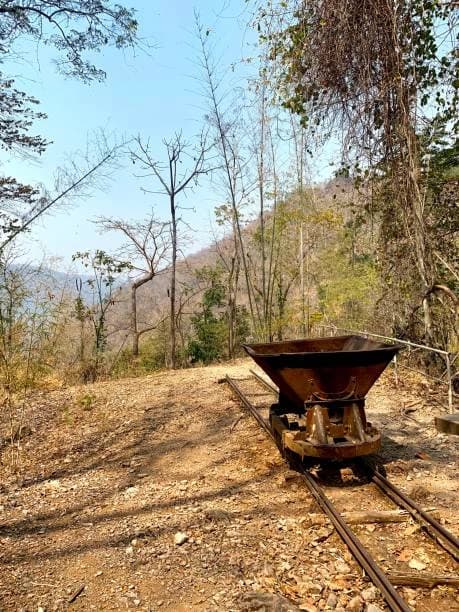
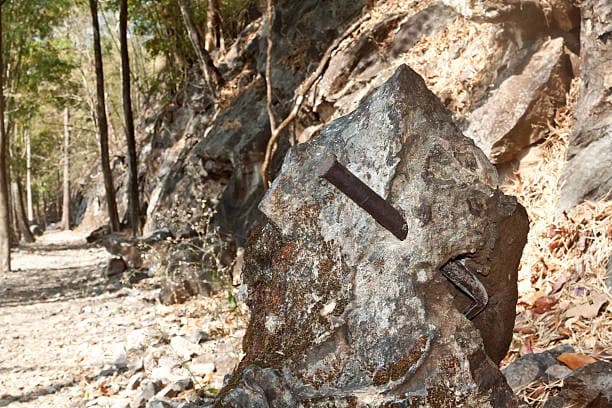
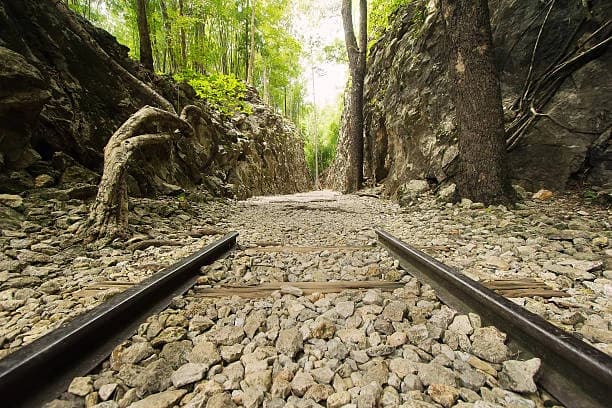
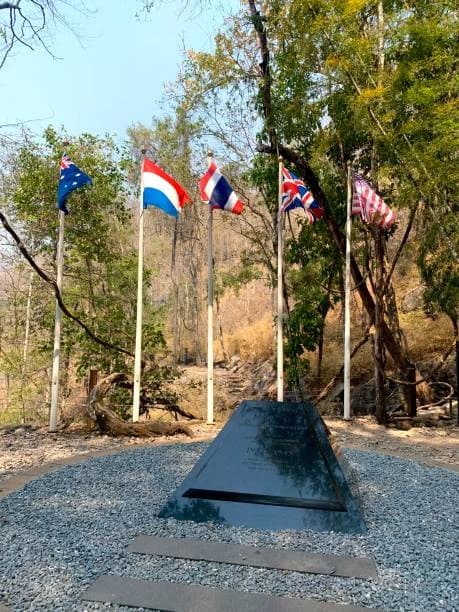
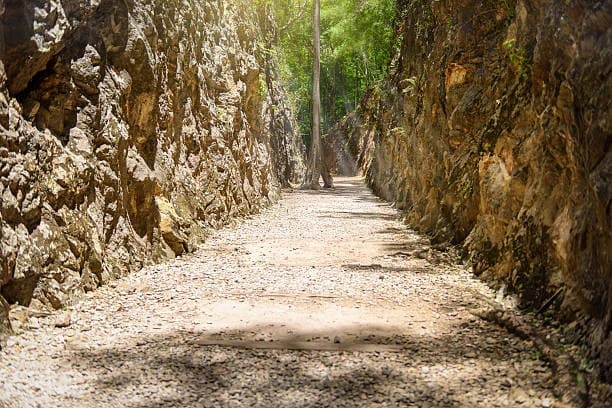
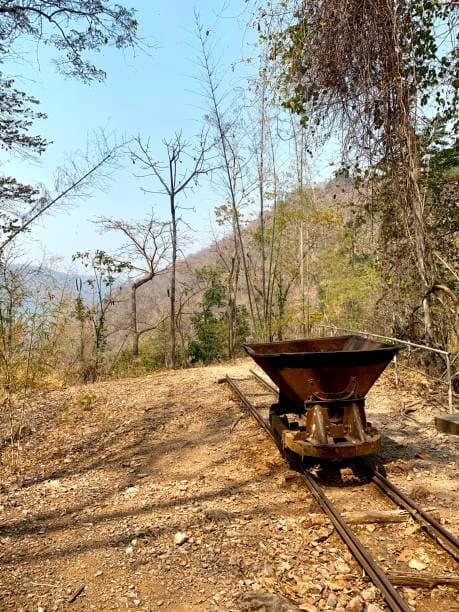
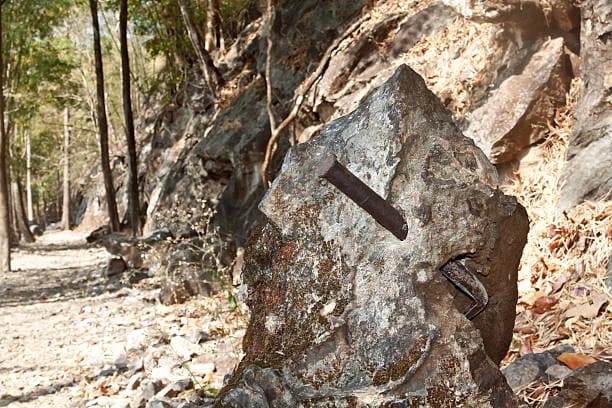
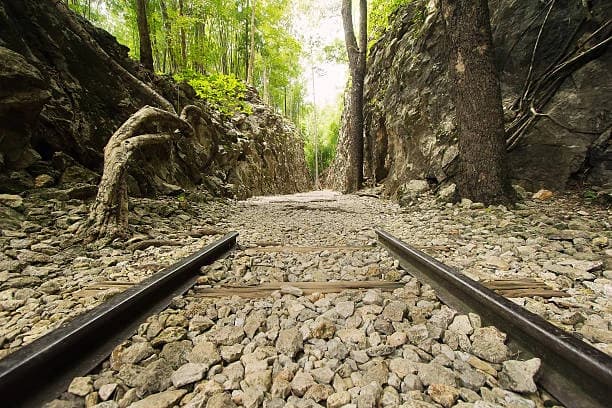
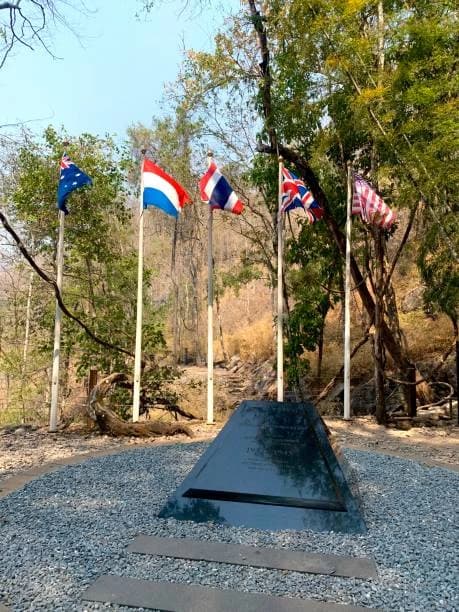
Hellfire Pass Memorial, located in Kanchanaburi, Thailand, is a significant site that marks an important chapter in World War II history. This memorial honors the thousands of Allied prisoners of war (POWs) and Asian laborers who suffered and died while building the Thailand-Burma Railway, also known as the "Death Railway." The memorial offers visitors a chance to reflect on the hardships faced by these workers and to appreciate the resilience and sacrifice they showed during such a tragic period.
Hellfire Pass Memorial is located in the Kanchanaburi province of Thailand, about 80 kilometers west of the Thai capital, Bangkok. The memorial is situated within the Kanchanaburi War Cemetery and is part of the larger Hellfire Pass Interpretive Centre. The site is easily accessible by road from Kanchanaburi, which is a popular destination for both domestic and international tourists. Visitors can take a short drive from Kanchanaburi city center to reach this historical site.
By Road: The most convenient way to reach Hellfire Pass Memorial is by road. The memorial is approximately a 30-minute drive from Kanchanaburi town. There are taxis, private cars, and rental vehicles available in the city. The road leading to the site is well-maintained, making it accessible for all types of vehicles.
By Public Transport: For those who prefer public transport, there are buses and mini-vans that operate between Kanchanaburi and Hellfire Pass. These buses are affordable and offer a reliable way to get to the site. However, you may need to arrange transportation from the bus stop to the memorial, as the stop is still a short distance away.
International Connectivity: If you're traveling internationally, you can fly into Suvarnabhumi Airport in Bangkok. From there, Kanchanaburi is approximately a 2-3 hour drive, which can be done by taxi, private car, or bus. The area is well-connected, making it easy for international visitors to reach the memorial.
Hellfire Pass Memorial is not only about reflecting on history but also offers a chance to explore the natural beauty of the surrounding area. Here are some notable attractions near the site:
1. Erawan National Park: Located around 65 kilometers from Hellfire Pass Memorial, Erawan National Park is one of the most famous national parks in Thailand. It’s known for its stunning waterfalls, hiking trails, and diverse wildlife. Visitors can take a refreshing swim in the emerald-green pools beneath the waterfalls.
2. Kanchanaburi War Cemetery: A short distance from the memorial, the Kanchanaburi War Cemetery is the final resting place for over 6,000 Allied POWs who died while building the Death Railway. It is a peaceful place to pay respects and learn more about the tragic history of the region.
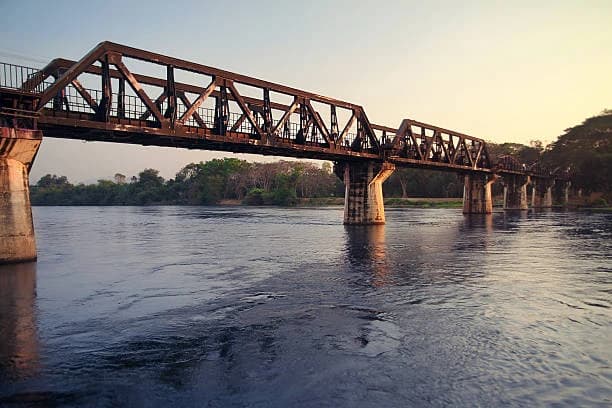
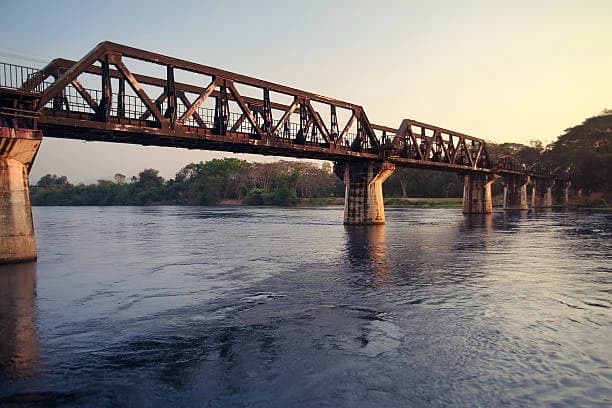
3. The Bridge on the River Kwai: One of Thailand's most famous landmarks, the Bridge on the River Kwai is located about 15 kilometers from the Hellfire Pass Memorial. The bridge is part of the Death Railway and holds great historical significance. Today, visitors can walk across the bridge and enjoy a scenic view of the river.
4. Death Railway Museum: Located in the Kanchanaburi town center, the Death Railway Museum provides visitors with a deeper understanding of the railway’s history and the tragic events associated with it. The museum houses various artifacts, photographs, and stories from the POWs who worked on the railway.
Hellfire Pass Memorial is located about 130 kilometers from Bangkok, which is a 2 to 3-hour drive by car. It is also around 30 kilometers from the Kanchanaburi city center. If you're planning to visit from other nearby provinces, the distance and travel time may vary depending on your mode of transport.
The best time to visit Hellfire Pass Memorial is during the cooler months, from November to February. During this period, the weather in Thailand is more pleasant, with temperatures ranging from 25°C to 30°C. This makes it easier to explore the outdoor trails and take in the breathtaking views of the surrounding mountains.
Avoid the hot season (March to May), when temperatures can reach up to 40°C. During this time, it may be uncomfortable to walk the trails or spend long periods outdoors. The rainy season (June to October) can also be challenging, with frequent showers making the trails slippery and less accessible.
Hellfire Pass Memorial stands out as a place of deep historical significance and somber reflection. Here are a few reasons why this site is a must-visit:
1. Rich History: The Hellfire Pass Memorial is a tribute to the thousands of people who lost their lives while building the Death Railway during World War II. This railway was constructed under the brutal conditions of forced labor, and the memorial is dedicated to their sacrifice.
2. Scenic Beauty: While the site is historically important, it is also set in a stunning natural environment. The surrounding hills and jungle provide a peaceful backdrop to the memorial, allowing visitors to reflect on the history in a serene and beautiful setting.
3. Interactive Interpretive Centre: The Hellfire Pass Interpretive Centre offers a wealth of information about the history of the Death Railway, the POWs who worked on it, and the conditions they faced. Through exhibits, multimedia presentations, and personal stories, the center brings the history of Hellfire Pass to life.
4. Hiking Trails: For visitors who enjoy hiking, the memorial offers a number of trails that follow the original route of the Death Railway. These trails provide a unique way to experience the area, with interpretive signs along the way to explain the history and significance of the sites.
Visiting Hellfire Pass Memorial can take anywhere from 1 to 3 hours, depending on how much time you spend at the Interpretive Centre, walking the trails, and reflecting at the memorial. If you're planning to explore nearby attractions like the Kanchanaburi War Cemetery or the Bridge on the River Kwai, you may want to set aside a whole day for your visit to the area.
There are limited food options directly at the Hellfire Pass Memorial site itself, but you can find local food stalls and restaurants within a short drive from the memorial. In the nearby Kanchanaburi city center, you will find a variety of eateries offering both Thai and international cuisine. From casual street food vendors to more upscale restaurants, there are plenty of dining options for all tastes and budgets.
Popular dishes to try in Kanchanaburi include:
For those with dietary restrictions or preferences, there are also vegetarian and vegan-friendly options available in the area.
While Hellfire Pass Memorial is a bit remote, public transport options are available in Kanchanaburi. Once you arrive in the city, you can use taxis, tuk-tuks, or songthaews (local shared taxis) to travel to nearby attractions, such as the Bridge on the River Kwai or the Kanchanaburi War Cemetery. For visitors who prefer more flexibility, renting a car or motorbike is another convenient option to explore the region at your own pace.
Hellfire Pass Memorial in Kanchanaburi is a place of historical significance, offering a chance to learn about and reflect on the hardships faced by thousands of laborers during World War II. With its peaceful surroundings, informative exhibits, and the opportunity to explore nearby attractions, it provides an enriching experience for visitors. Whether you're a history enthusiast or someone seeking to connect with the past, Hellfire Pass Memorial is a place worth visiting on your journey through Thailand.