
Toll Free Customer Care
+(1) 123 456 7890Need live support?
support@hectindia.comFollow us on social media


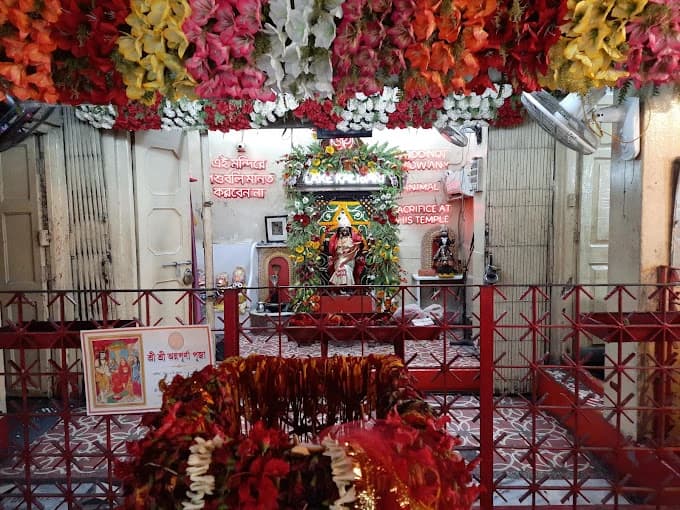

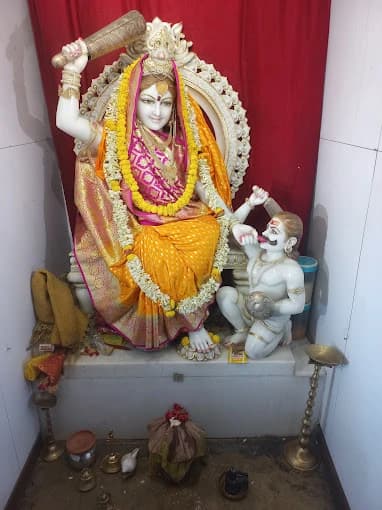

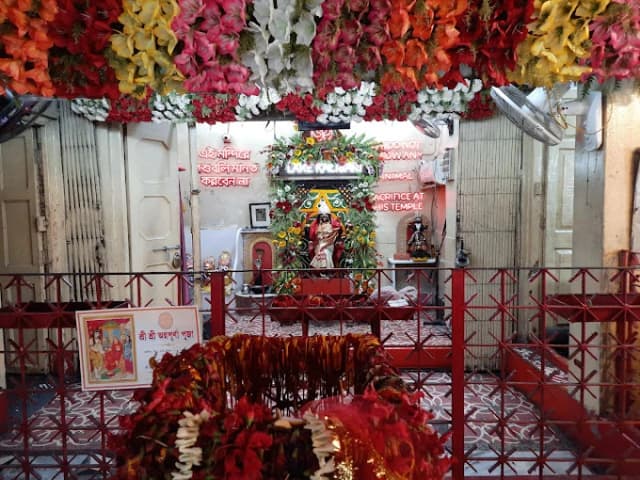

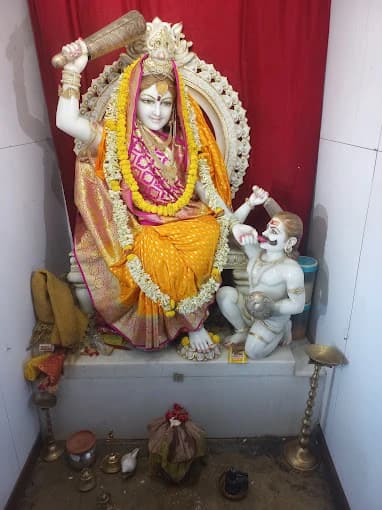

Lake Kalibari is a hidden gem located in the heart of nature, offering visitors a peaceful environment combined with rich cultural experiences. This serene lake is an excellent place for those looking to relax, enjoy nature, and learn about local traditions. Whether you are a nature enthusiast, a culture lover, or just looking for a quiet getaway, Lake Kalibari is a place that promises to meet your expectations.
Lake Kalibari is a picturesque water body surrounded by lush greenery and vibrant flora. The area is tranquil and beautiful, making it a perfect spot for photography, picnics, and nature walks. The lake itself is not just a place to relax but also offers a rich cultural experience, making it a great spot for both peace and adventure.
The calmness of the water, paired with the sounds of birds and wind rustling through the trees, provides a natural sanctuary. People of all ages can enjoy the place, whether you prefer relaxing by the lakeside or exploring the surrounding environment. The location offers a peaceful escape from the hustle and bustle of city life, with an added cultural touch.
Lake Kalibari is not just a tourist spot, but also a place of cultural significance for the local community. Many visitors come to the lake to participate in local rituals, especially during festivals. While it’s mostly known for its natural beauty, the place has strong cultural ties, particularly with respect to the traditions surrounding the lake.
One of the rituals that visitors might witness involves offerings and small ceremonies performed by locals. These customs have been passed down through generations and showcase the importance of nature in the community’s spiritual life. Although the rituals are mainly observed by locals, tourists can observe them with respect, allowing for a unique cultural experience.
When visiting Lake Kalibari, it is recommended to dress comfortably and modestly. Since the area involves a lot of walking and outdoor activities, comfortable footwear, such as sneakers or sandals, is ideal. If you plan to explore the surroundings or enjoy a picnic by the lake, wearing light and breathable clothes will make your visit more enjoyable.
If you are visiting during the evening or early morning hours, bringing a light sweater or jacket might be a good idea as temperatures can be a bit cooler. Additionally, if you plan to participate in any rituals or cultural practices, ensure your clothing covers your shoulders and knees, as a mark of respect for the local customs.
The best time to visit Lake Kalibari is during the cooler months, from October to March. During this period, the weather is pleasant, making it ideal for outdoor activities and exploring the surrounding area. The monsoon season, from June to September, may cause the area to be slippery and less enjoyable for walking or sightseeing. Therefore, it is best to avoid visiting during the rainy season.
For those who enjoy festivals and cultural events, visiting during the local festival period can add an extra dimension to your trip. These events offer a deeper understanding of the community’s traditions and rituals.
When visiting Lake Kalibari, it is important to be prepared for the outdoor environment. A few essential items to carry include:
Water Bottle: Staying hydrated is crucial, especially if you are walking around or exploring the area.
Sunscreen: Protect yourself from the sun’s rays, particularly if you plan to spend a long time outdoors.
Hat or Sunglasses: To shield yourself from the sun during your visit.
Camera: Don’t forget your camera or smartphone to capture the beautiful landscapes and cultural scenes around the lake.
Snacks: If you plan to enjoy a picnic, pack some light snacks or a packed lunch.
To ensure that the environment around Lake Kalibari remains pristine and respectful, there are a few things you should avoid carrying:
Plastic Bottles: If possible, avoid carrying plastic bottles. Instead, use reusable water bottles to help reduce waste.
Loud Music: Keep noise levels low to preserve the tranquility of the area and respect the peaceful environment.
Non-biodegradable Items: Avoid carrying any non-biodegradable materials such as plastic bags, as these can harm the environment.
Lake Kalibari is not just about its natural beauty but also about the spiritual rituals performed by the local community. These practices include offerings to the lake and rituals associated with the water body’s cultural importance. Visitors are welcome to observe these rituals, but it’s important to maintain a respectful distance and to follow any guidelines provided by the local community.
The area is known for its festive celebrations, especially around the lake. During these times, the lake becomes a center of cultural activity, with local performers and artists showcasing their talents. Visitors who come during these festivals can enjoy live music, traditional dances, and local handicrafts, making it a rich cultural experience.
Lake Kalibari is conveniently located close to several popular destinations. If you're planning a trip to the area, here’s an approximate distance to some nearby places:
From the city center: Lake Kalibari is about a 30-minute drive, depending on the traffic conditions.
Nearest Train Station: The nearest railway station is approximately 10-15 km away, which can be reached within 30 minutes by taxi or local transport.
Nearest Airport: The nearest airport is about 25-30 km away, making it a 40-minute drive to the lake.
Being well-connected by road, Lake Kalibari is easily accessible from various nearby towns and cities. It is an ideal stop for anyone visiting the region, whether as part of a longer trip or for a short day excursion.
While Lake Kalibari is more focused on its natural beauty and cultural significance, there are some local food stalls and eateries nearby. You can find a variety of traditional snacks and local delicacies. Some of the popular foods to try include:
Street Snacks: Samosas, local sweets, and fried items are commonly available.
Local Cuisine: If you’re looking for a more substantial meal, there are a few small local restaurants serving regional dishes.
However, if you prefer a more luxurious dining experience, you may need to travel a little further to nearby towns, where there are a greater variety of restaurants offering international and local cuisines.
Lake Kalibari is well-connected by public transport, making it easy for tourists to visit. Here are some options for getting to the lake:
Bus Services: Several bus routes pass near the lake. You can check local schedules for buses that go to or near the lake.
Taxis/Auto Rickshaws: These are widely available and provide a more convenient and direct mode of transport. Taxis can be hired for the day if you wish to explore the surrounding area.
Private Vehicles: Renting a private vehicle is another option for tourists who prefer comfort and flexibility.
There is also the possibility of local tour groups offering guided transport services that combine visits to Lake Kalibari with other nearby attractions.
Lake Kalibari is situated near several notable attractions, perfect for tourists looking to explore the region. Some nearby attractions include:
Local Temples: Explore the ancient temples and shrines that showcase local architecture and spiritual practices.
Nature Trails: If you're a nature lover, you can enjoy the nearby walking trails that wind through forests and along smaller lakes.
Local Markets: For those interested in shopping, nearby markets offer handmade crafts, souvenirs, and other traditional items.
Spending an entire day exploring these attractions in combination with a visit to Lake Kalibari is highly recommended for anyone interested in both nature and culture.
A typical visit to Lake Kalibari can take around 2-3 hours, depending on your interest in exploring the surrounding areas. If you are planning to take a walk around the lake, participate in any cultural events, or have a picnic, you may want to set aside a longer time.
Lake Kalibari is generally open throughout the day, from early morning until dusk. The best times to visit are in the early morning or late afternoon, as the temperature is cooler, and the scenery is at its most beautiful during these hours. It is advisable to leave before it gets dark, as the area may not be well-lit at night.