Toll Free Customer Care
+(1) 123 456 7890Need live support?
support@hectindia.comFollow us on social media


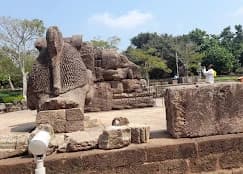
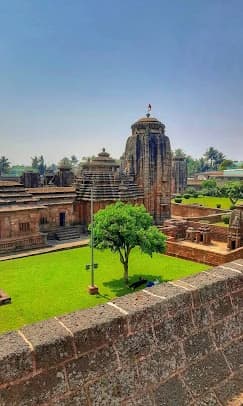
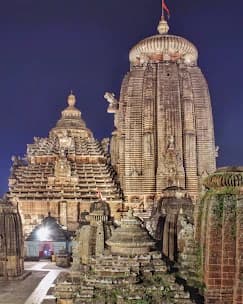
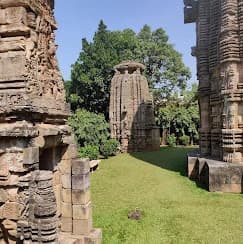
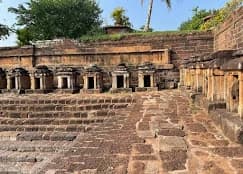
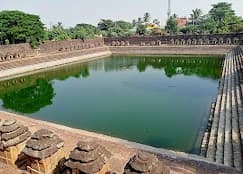
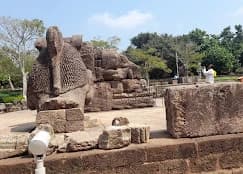
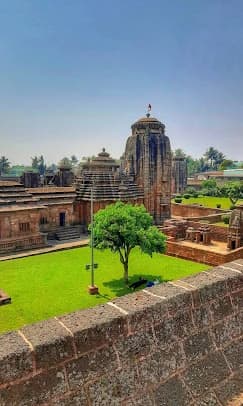
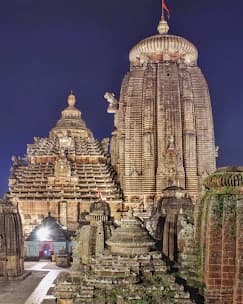
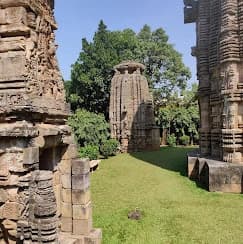
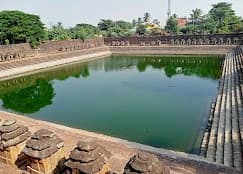
Lingaraj Temple is one of the most renowned temples in India, located in the heart of Bhubaneswar, Odisha. It stands as a remarkable example of ancient architecture and rich cultural heritage. The temple is dedicated to Lord Shiva and is one of the oldest and largest temples in Odisha. Lingaraj Temple attracts thousands of tourists, devotees, and architecture enthusiasts each year due to its historical significance, serene ambiance, and stunning design.
Lingaraj Temple is not only a religious site but also a treasure trove of art and culture. The temple is believed to be more than a thousand years old and showcases the Dravidian style of architecture. It is a place where spirituality meets grandeur. Visitors come to admire its intricate carvings, massive structures, and to experience the calm and sacred atmosphere that surrounds it.
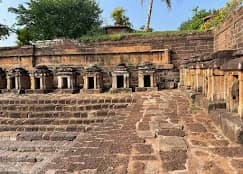
The Lingaraj Temple is an important cultural hub in Bhubaneswar. The temple complex houses several smaller shrines dedicated to various deities, making it a vibrant site of devotion and worship. Visitors can witness devotees performing rituals, offering prayers, and engaging in ceremonies that have been practiced for centuries. The local culture, deeply intertwined with the temple’s rituals, adds a unique charm to the visit.
When visiting the Lingaraj Temple, it is essential to dress modestly and respectfully. Since it is a religious site, both men and women are required to wear traditional or simple clothes. It is advisable to wear long clothes that cover your shoulders and knees. For women, sarees, salwar kameez, or other modest dresses are appropriate. Men can wear dhotis, kurtas, or long pants. It is also recommended to remove shoes before entering the temple premises, as is the custom in many religious places in India.
The best time to visit Lingaraj Temple is during the months of October to March. During these months, the weather in Bhubaneswar is cool and pleasant, making it comfortable for sightseeing and temple visits. The summer months of April to June can get quite hot, with temperatures often exceeding 40°C. The temple can be crowded during major festivals like Maha Shivaratri, so if you prefer a quieter visit, it’s better to avoid these peak times.
Lingaraj Temple is centrally located in Bhubaneswar, making it easy to access from other parts of the city. The temple is around:
3 km from Bhubaneswar Railway Station
6 km from Biju Patnaik International Airport
1 km from Rajarani Temple
2 km from the State Museum of Odisha
These distances make it convenient for tourists to visit Lingaraj Temple along with other attractions in the city.
When visiting the Lingaraj Temple, it is important to carry a few essentials to make your visit more comfortable and enjoyable:
Water Bottle: It can get hot, so it’s essential to stay hydrated.
A Camera: To capture the beauty of the temple and its surroundings.
Cash: Although there are shops around, it’s good to carry some cash for donations, offerings, or small purchases.
Comfortable Footwear: As you will be walking around the temple complex, comfortable footwear is a must. Remember to take off your shoes before entering the temple.
A Hat or Scarf: To protect yourself from the sun, especially during the hotter months.
There are also a few things you should avoid bringing to the temple:
Leather Items: It is customary not to carry leather products, such as bags or belts, into the temple.
Alcohol or Tobacco: Consumption of alcohol or tobacco is strictly prohibited within the temple complex.
Excessive Luggage: The temple can get crowded, so carrying large bags may be cumbersome.
The Lingaraj Temple is primarily dedicated to Lord Shiva, and the rituals here follow traditional Hindu customs. Devotees perform daily rituals, which include chanting prayers, making offerings of flowers, fruits, and water, and performing abhishekas (rituals involving bathing the deity with holy water). The highlight of the rituals is the 'Bhasma Arti,' which takes place in the morning and is a must-see for those visiting during the early hours.
During major festivals, especially Maha Shivaratri, the temple becomes the focal point of worship and celebration. Thousands of devotees gather to offer their prayers, perform rituals, and participate in the religious festivities. This is an ideal time to experience the temple's spiritual atmosphere in its full glory.
Getting to Lingaraj Temple is quite easy due to its central location in Bhubaneswar. Here are the transportation options available:
Taxi and Auto Rickshaws: Taxis and auto-rickshaws are readily available in Bhubaneswar. They are a convenient option for tourists as they can take you directly to the temple.
Buses: Bhubaneswar has an extensive bus network, and there are several buses that connect the temple with different parts of the city. The bus stop near the temple is easily accessible.
Bicycle Rentals: For those who enjoy cycling, bicycle rentals are available in the city. It’s a fun and eco-friendly way to explore the temple and surrounding areas.
While Lingaraj Temple is the main attraction in Bhubaneswar, there are several other places of interest in the vicinity:
Rajarani Temple: This temple, located just a kilometer away, is another example of the beautiful architecture of Odisha.
Udayagiri and Khandagiri Caves: These ancient caves are situated about 8 km from the temple and offer a glimpse into the region’s history and culture.
Odisha State Museum: Located about 3 km away, this museum is a great place to learn more about Odisha’s history, culture, and art.
A visit to Lingaraj Temple can take anywhere between 1.5 to 2 hours, depending on the crowd and your interest in exploring the architecture and the rituals. If you plan to visit during festivals, the time may extend due to larger crowds and religious activities.
The temple is open every day of the week for devotees and tourists alike. The opening and closing hours of the temple are as follows:
Opening Time: 5:00 AM
Closing Time: 9:00 PM
The temple remains open throughout the day, with a break in the afternoon for rituals. It’s best to visit early in the morning if you wish to experience the temple’s serene environment before it becomes crowded.
While there are no food stalls inside the temple complex, there are several restaurants and food joints around the temple where visitors can enjoy local Odia cuisine. Some popular food options nearby include:
Dalma: A traditional Odia dish made with lentils and vegetables.
Chhena Poda: A famous Odia dessert made of paneer and sugar.
Macha Tarkari: Fish curry, a delicacy of the region.
These dishes offer a taste of Odisha's rich culinary heritage and are available at local eateries close to the temple.