Toll Free Customer Care
+(1) 123 456 7890Need live support?
support@hectindia.comFollow us on social media


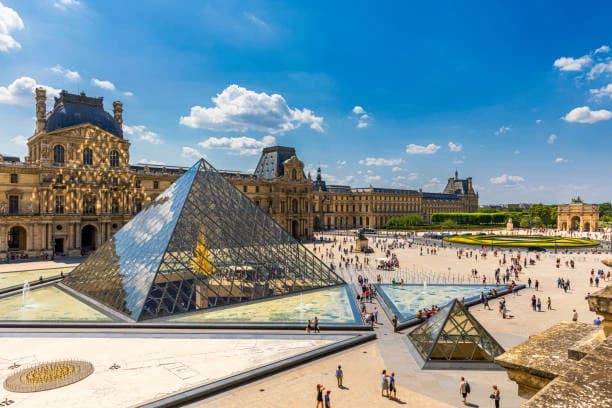
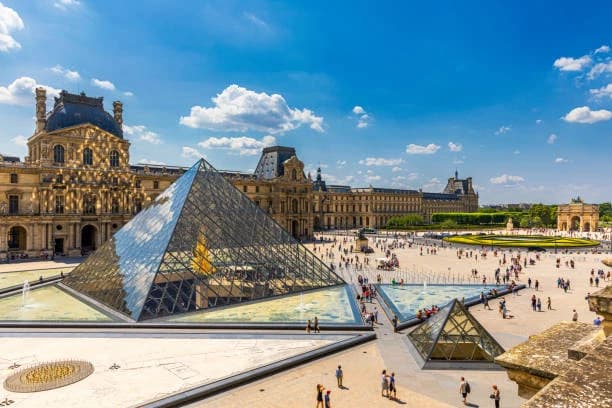
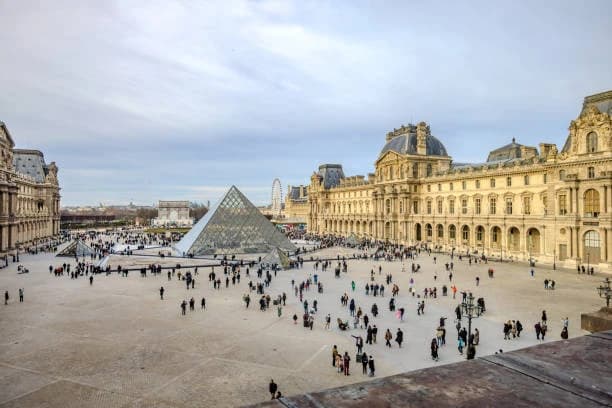
The Louvre Museum is one of the most iconic cultural landmarks in the world. Located in the heart of Paris, it attracts millions of visitors each year. Whether you're an art enthusiast or simply a tourist looking to experience something truly special, the Louvre Museum offers something for everyone. With its rich history, breathtaking art collections, and stunning architecture, it is a must-see when visiting Paris.
In this guide, we will explore everything you need to know about the Louvre Museum, from its location and history to the things you can explore around the museum. We will also cover practical details such as connectivity, food options, public transport, and the best time to visit.
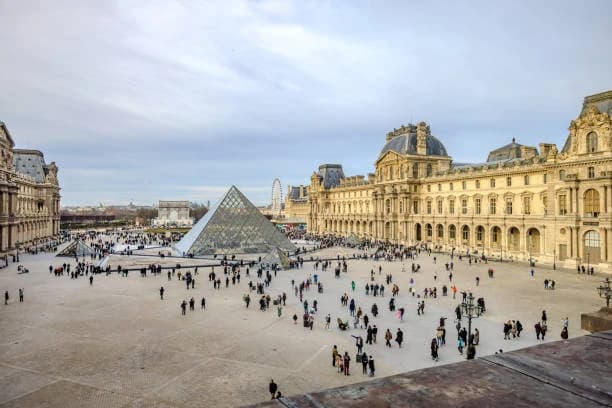
The Louvre Museum is located in the 1st arrondissement of Paris, right along the River Seine. The museum is housed in the Louvre Palace, a historic building that once served as the royal residence of French kings. It was transformed into a museum during the French Revolution in 1793.
The museum is easily recognizable by the large glass pyramid at its entrance. Designed by architect I. M. Pei, the pyramid is a modern addition that contrasts beautifully with the classical architecture of the building. The Louvre Museum spans over 35,000 works of art, making it one of the largest museums in the world. It is divided into three main wings: Denon, Sully, and Richelieu.
The Louvre Museum is very well connected, making it easy for both local and international visitors to reach. Whether you're staying in Paris or arriving from abroad, getting to the Louvre Museum is straightforward.
For those flying into Paris, the two main international airports—Charles de Gaulle Airport (CDG) and Orly Airport (ORY)—are well connected to the city by public transport.
The Louvre Museum is not just about the incredible art inside. The area surrounding the museum is also rich in history, culture, and things to do.
Right next to the Louvre Museum are the Tuileries Gardens, one of the most beautiful green spaces in Paris. The gardens are perfect for a peaceful stroll, and you can enjoy the fountains, sculptures, and pathways that lead down to the Place de la Concorde. The Tuileries Gardens are also home to the Musée de l’Orangerie, where you can see famous works by Monet.
Distance from the Louvre Museum: The Tuileries Gardens are right next door to the Louvre, just a short walk.
Just a few steps from the Louvre Museum is the stunning Palais Royal. This palace features beautiful gardens, galleries, and arcades. It is a great spot for shopping, with high-end boutiques lining the colonnades. The Palais Royal is also famous for the Colonnes de Buren—a modern art installation with black-and-white striped columns.
Distance from the Louvre Museum: 5 minutes on foot.
The Louvre Museum is located right by the Seine River, and the riverbanks offer a charming place for a walk. You can take a boat ride along the river, or simply enjoy the view of Paris’ iconic landmarks like Notre-Dame Cathedral and the Eiffel Tower from the riverbank.
Distance from the Louvre Museum: Directly accessible from the museum.
If you’re an art lover, don’t miss the Musée d’Orsay, located on the opposite side of the Seine River. This museum is housed in a former railway station and features an extensive collection of Impressionist and Post-Impressionist art, including works by Monet, Van Gogh, and Renoir. The Musée d’Orsay is considered one of the best art museums in Paris.
Distance from the Louvre Museum: 10-15 minutes by foot or a short boat ride along the Seine.
The Notre-Dame Cathedral is located just across the Seine River from the Louvre Museum. This Gothic masterpiece is famous for its stunning architecture, stained glass windows, and historic significance. Visitors can also climb to the top for a panoramic view of Paris.
Distance from the Louvre Museum: 15 minutes by foot.
The Louvre Museum and its surrounding areas offer plenty of dining options, from quick bites to elegant dining experiences. Here are a few recommendations:
Public Transport: The Louvre Museum is easily accessible by public transport. As mentioned earlier, the Palais Royal – Musée du Louvre metro station (Lines 1 and 7) is just a short walk from the museum. Additionally, numerous bus lines pass through nearby stops, providing access to other parts of Paris.
The best time to visit the Louvre Museum is during the off-peak seasons, such as autumn (September to November) or spring (March to May). These months tend to have fewer tourists, allowing you to explore the exhibits more comfortably. If you visit during the summer months (June to August), expect larger crowds.
Weekdays are generally less crowded than weekends, and the museum tends to be quieter early in the morning or later in the evening.
You should plan to spend at least 2-3 hours at the Louvre Museum, but if you are an art lover, you may want to dedicate a whole day to exploring. The museum is vast, and there is so much to see, so it’s recommended to prioritize the sections that interest you most.