
Toll Free Customer Care
+(1) 123 456 7890Need live support?
support@hectindia.comFollow us on social media


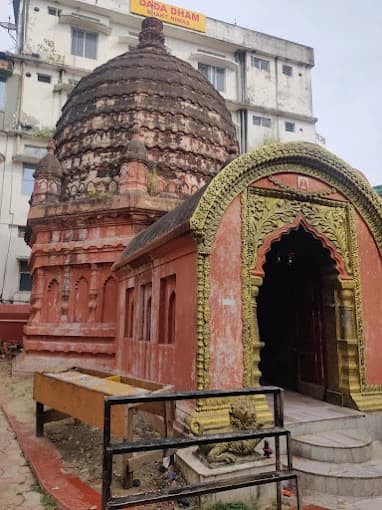
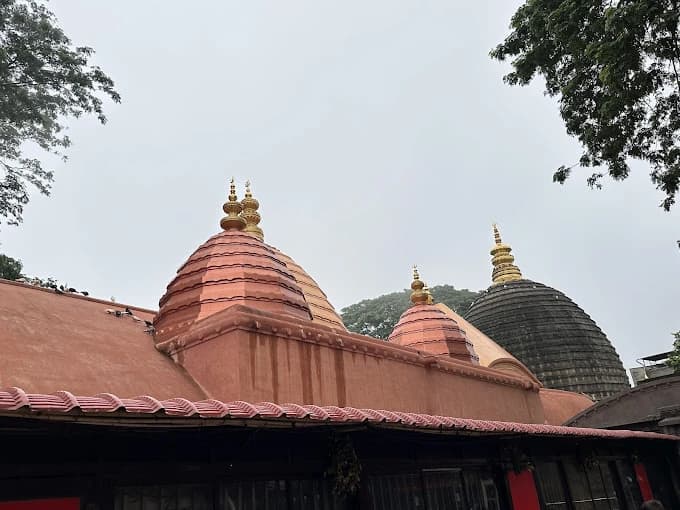
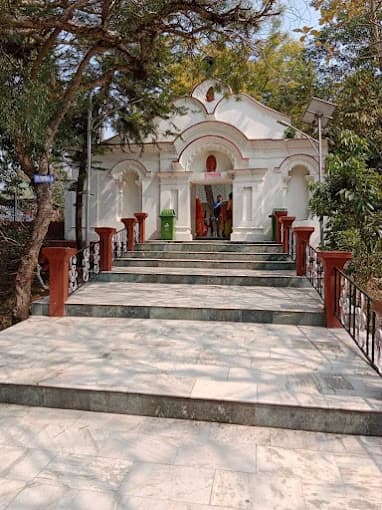
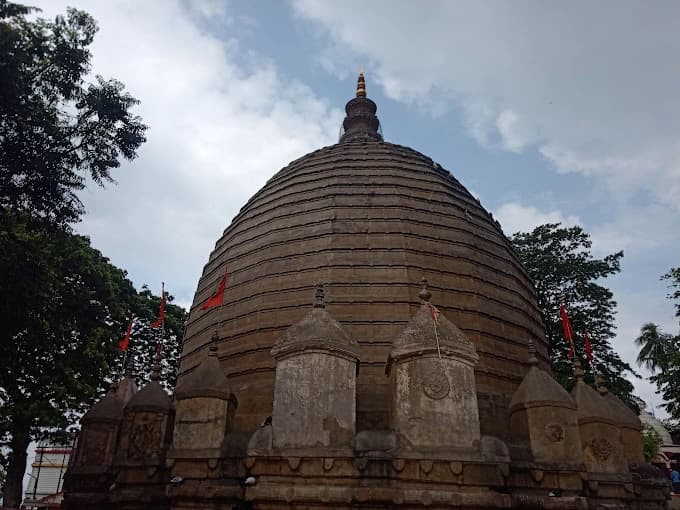
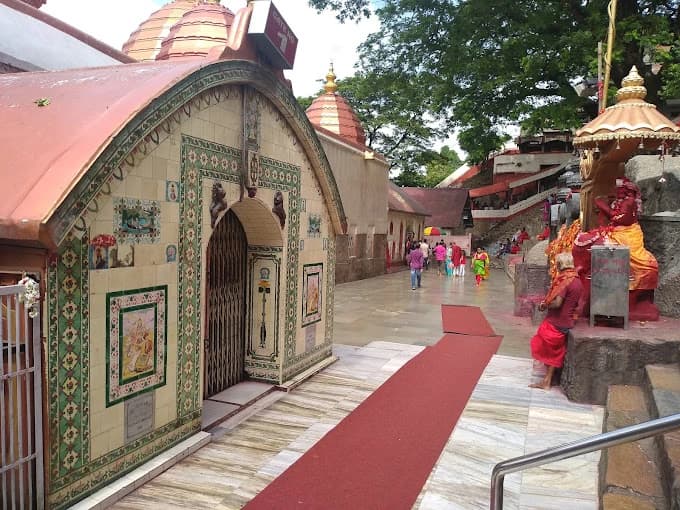
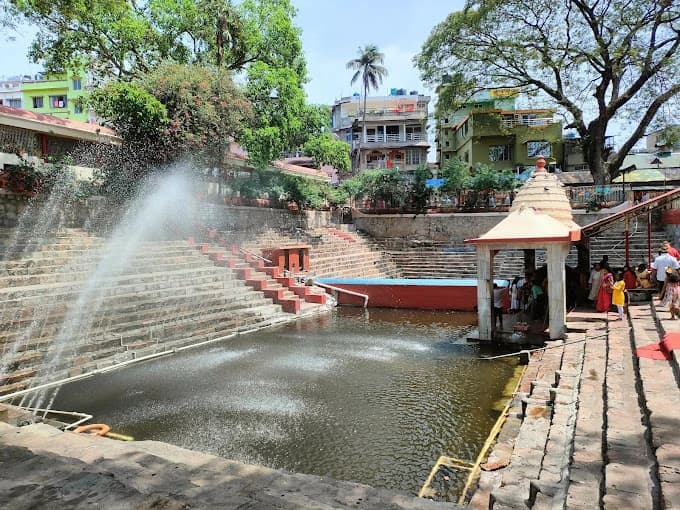
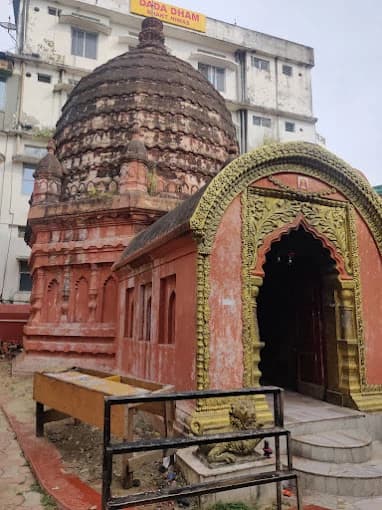
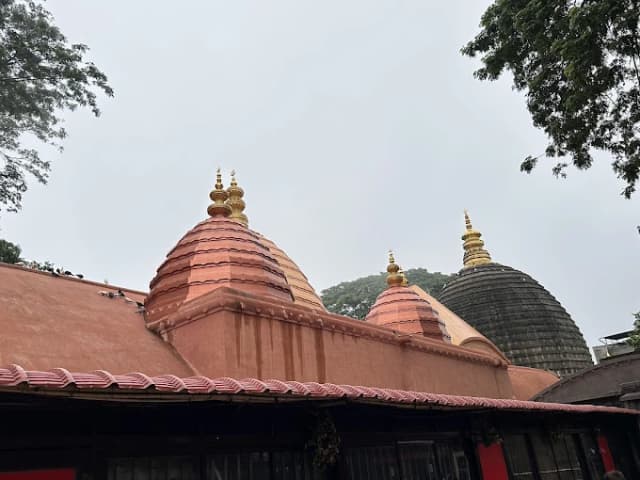
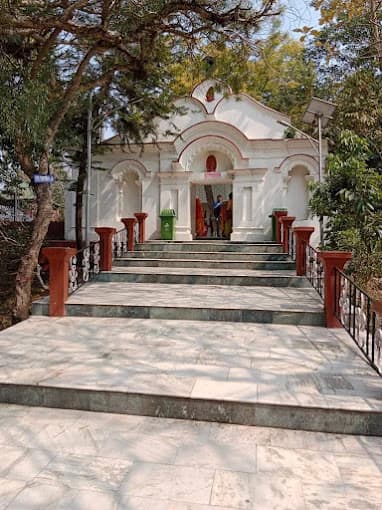
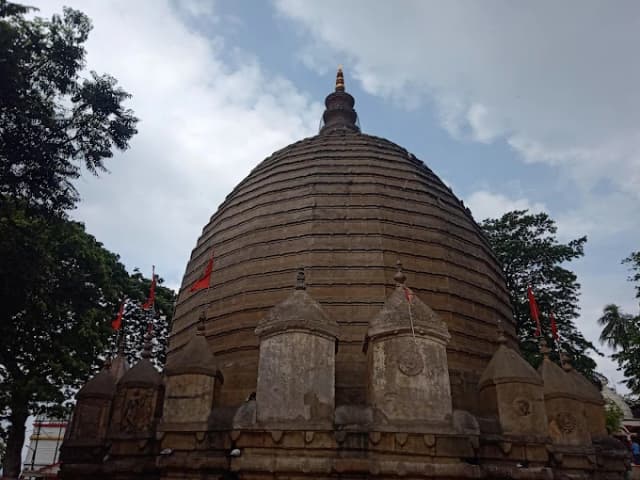
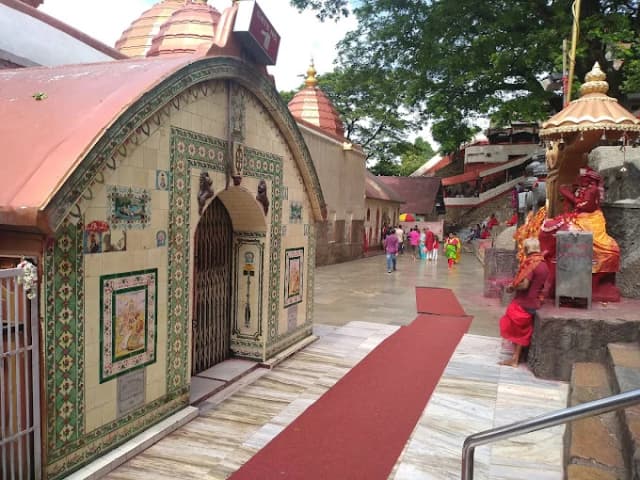
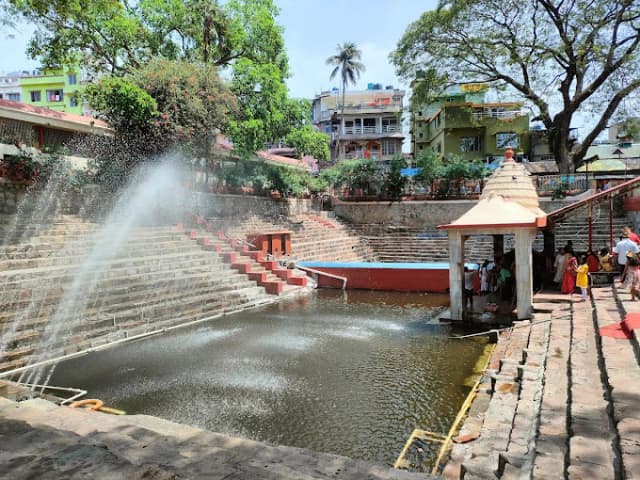
Maa Kamakhya Temple is one of the most revered and famous temples in India. Situated in the state of Assam, it is nestled on the Nilachal Hills in Guwahati, offering a mesmerizing view of the surrounding landscape. The temple attracts pilgrims, tourists, and history enthusiasts from all around the world. The Kamakhya Temple holds immense cultural significance and is a prominent center for spiritual rituals, drawing thousands of visitors each year.
Maa Kamakhya Temple is dedicated to Goddess Kamakhya, a manifestation of Goddess Shakti. The temple is one of the 51 Shakti Peethas, where it is believed that the Goddess’s yoni (feminine energy) fell when Lord Shiva carried her dismembered body. It is known for its unique worship rituals, vibrant culture, and rich history. The temple is also famous for the Ambubachi Mela, a significant annual event that attracts thousands of devotees.
The temple stands at a height of about 800 feet on the Nilachal Hills, offering visitors a spiritual journey alongside stunning views of Guwahati city. Whether you are a pilgrim seeking blessings or a tourist wanting to experience Assam’s culture and history, Maa Kamakhya Temple is a must-visit destination.
The cultural practices and rituals at Maa Kamakhya Temple are unique and steeped in ancient traditions. Pilgrims come here to seek the blessings of the Goddess for fertility, health, and prosperity. One of the most distinctive rituals involves the offering of a special type of animal sacrifice, although the temple also accommodates a wide variety of worshippers, including those who offer flowers, fruits, and incense.
The temple's rituals include early morning prayers, chanting mantras, and the lighting of lamps. The temple is divided into different sections, and each section is dedicated to a specific aspect of the Goddess. Visitors can also participate in various prayer ceremonies, especially during the Ambubachi Mela, which marks the annual menstrual cycle of Goddess Kamakhya.
The best time to visit Maa Kamakhya Temple is during the cooler months, from October to March, when the weather is pleasant for sightseeing and spiritual activities. During this period, the temperature remains moderate, and the hills surrounding the temple offer a beautiful view.
For those who wish to experience the temple's cultural festivities, the Ambubachi Mela, held annually in June, is a major attraction. However, the mela can be crowded, so it’s advisable to plan accordingly.
When visiting Maa Kamakhya Temple, it’s important to dress modestly and respectfully, in line with the temple's sacred atmosphere. Both men and women should wear traditional or semi-formal clothing. For men, this can include simple pants and a shirt, while women can wear sarees or long skirts. The dress code at the temple encourages modesty, so avoid wearing shorts, revealing clothes, or flashy jewelry.
While visiting the temple, you should carry a few essentials:
Water: Keep a bottle of water with you to stay hydrated.
Prasad or Offerings: You can buy flowers, fruits, and other offerings at the temple or bring them with you for prayers.
Comfortable Shoes: Since you will be walking through steep paths and temple premises, comfortable footwear is essential.
Camera: Capture the breathtaking views of the temple and the surrounding hills (but check the rules regarding photography inside the temple).
There are also certain things you should avoid carrying inside the temple:
Leather Items: Avoid carrying leather products such as bags, wallets, or belts as they are not allowed inside.
Food and Drinks: While there are eateries outside the temple, food and drink are generally not permitted inside.
Tobacco and Alcohol: These items are strictly prohibited.
Maa Kamakhya Temple is easily accessible from various parts of Guwahati. Here are some of the transportation options:
By Road: Guwahati city is well-connected by road, and taxis or private vehicles can take you directly to the temple.
By Rail: Guwahati Railway Station is the nearest major railway station, located approximately 8 kilometers from the temple.
By Air: Lokpriya Gopinath Bordoloi International Airport, situated around 20 kilometers away, is the nearest airport.
From the city, you can hire taxis or use public buses to reach the temple. Local buses and auto-rickshaws also operate in the area, providing easy access to the temple. The temple is situated on a hill, so there may be some uphill walking to reach the main temple complex.
Apart from the spiritual experiences at Maa Kamakhya Temple, there are several nearby attractions worth exploring. Some of these include:
Umananda Temple: Situated on an island in the Brahmaputra River, this temple is dedicated to Lord Shiva and offers a peaceful environment.
Kaziranga National Park: A UNESCO World Heritage Site, Kaziranga is home to the one-horned rhinoceros and offers a unique wildlife experience.
Shilpagram: A cultural complex located in the city, where you can experience the traditional crafts of Assam.
Brahmaputra River Cruise: You can enjoy a scenic cruise on the Brahmaputra River, which offers stunning views of the surrounding hills and the temple.
On average, a visit to the temple can take between 2 to 3 hours, depending on the crowd and your participation in the rituals. If you plan to explore nearby attractions like Umananda Temple or take part in the Ambubachi Mela, you may want to extend your visit to a half-day trip or more.
The temple is open throughout the week. The opening and closing times are as follows:
Morning Darshan: The temple opens early in the morning around 5:30 AM for devotees.
Closing Time: The temple closes in the evening around 9:00 PM.
The temple remains open during festivals, but be aware that there might be changes in the schedule due to special prayers or ceremonies. During the Ambubachi Mela, the temple is open 24 hours, and devotees can participate in the various rituals.
While there are no food stalls or restaurants inside the temple premises, you will find a range of food options nearby, including small eateries and local food stalls. Some of the local Assamese delicacies you can try are:
Pitha: Traditional rice cakes often prepared during festivals.
Lassi: A refreshing yogurt-based drink that can be found at many local stalls.
For those looking to buy souvenirs, the area surrounding the temple has small shops where you can purchase religious items, handicrafts, and traditional Assam textiles like silk scarves and saris.