Guide
0.0(0)
Shree Jagannatha Temple Puri
Puri
Not rated




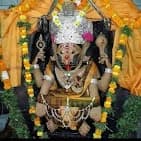

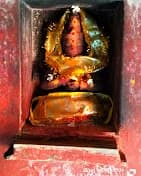
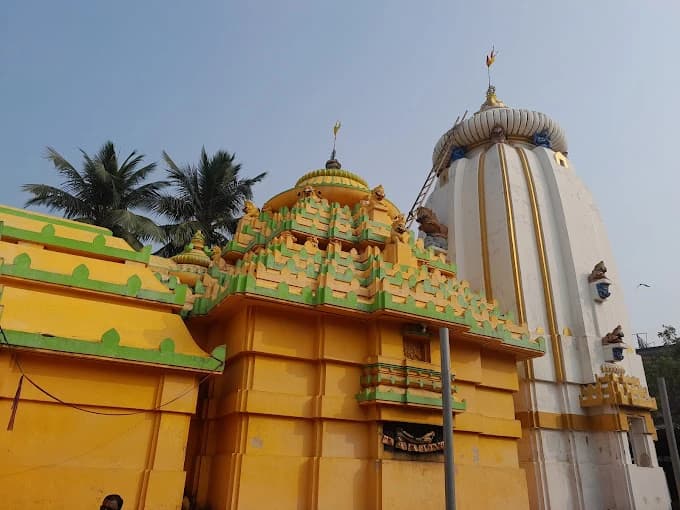

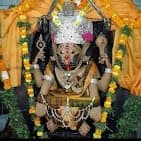

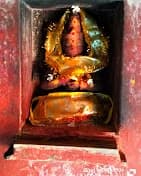
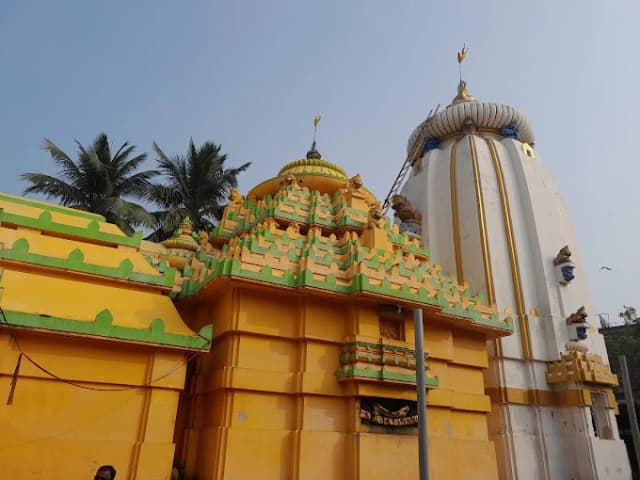
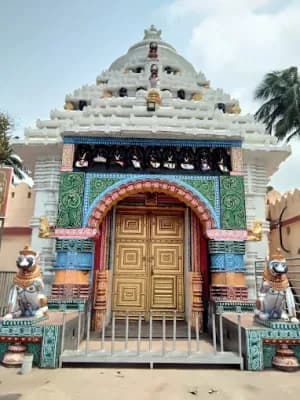
Narasimha Temple, located in the vibrant city of Puri, Odisha, is one of the most revered and important temples in India. It stands as a testament to the deep-rooted cultural and religious heritage of the region. This temple is dedicated to Lord Narasimha, an incarnation of Lord Vishnu, and holds great significance for devotees and tourists alike. The temple is known not only for its spiritual importance but also for its architectural beauty. It attracts a multitude of visitors from around the world, offering a peaceful retreat and a glimpse into the region’s rich history and culture.
The Narasimha Temple is an ancient structure, believed to be centuries old, and is situated in the town of Puri, which is well known for its religious landmarks. The temple is dedicated to Lord Narasimha, the half-man, half-lion form of Lord Vishnu, and is an important part of the spiritual landscape of Odisha. It is not only a place of worship but also a cultural hub for locals and visitors.
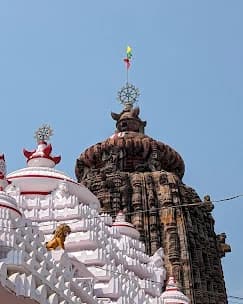
Visitors to the Narasimha Temple will find a serene atmosphere that is perfect for reflection and meditation. The temple is beautifully designed, with intricate carvings and sculptures that depict various scenes from Hindu mythology. Its structure and surroundings reflect the timeless artistry of ancient Indian architecture, making it a must-visit destination for architecture enthusiasts and spiritual seekers alike.
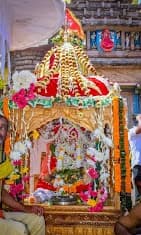
The culture surrounding the Narasimha Temple is deeply spiritual. The temple is visited by thousands of devotees every year, especially during important Hindu festivals. It is believed that Lord Narasimha is a protector who helps his devotees overcome challenges and difficulties in life. The temple rituals are an integral part of the daily life of Puri, and visitors can witness traditional ceremonies such as the offering of prayers, chanting of hymns, and other religious practices.
The temple is also a place where locals gather for festivals and cultural celebrations. These festivals provide an opportunity for visitors to experience the vibrant traditions of Odisha, including folk dances, music, and rituals that have been passed down for generations. The Narasimha Temple is not only a religious site but also a cultural landmark that showcases the art, culture, and heritage of Odisha.
The best time to visit the Narasimha Temple, Puri, is during the winter months, from October to March. During this period, the weather in Puri is pleasant and comfortable, making it an ideal time for sightseeing and exploring the temple. The temperatures are moderate, and the chances of rain are minimal, ensuring a smooth and enjoyable visit. This is also the time when major festivals are celebrated, adding to the vibrancy of the temple’s atmosphere.
If you are a nature lover, visiting during the monsoon season (June to September) can also be a unique experience. The lush green surroundings of the temple during this time create a peaceful and calming environment. However, it is important to keep in mind that heavy rains can sometimes cause disruption in travel plans.
When visiting Narasimha Temple, Puri, it is important to dress modestly, as it is a sacred site. Women should wear traditional Indian attire such as sarees or salwar kameez, while men can wear dhotis or simple clothing. Tight or revealing clothing should be avoided, as a sign of respect for the religious atmosphere of the temple. Footwear should be removed before entering the temple premises, as is customary in most Hindu temples.
Visitors to Narasimha Temple should carry a few essentials to ensure a comfortable visit. A water bottle is recommended to stay hydrated, especially if visiting during the warmer months. A hat or sunscreen can be helpful to protect yourself from the sun. It is also advisable to carry a small, light bag to store any personal items.
For those planning to participate in rituals, it’s best to carry small offerings like flowers, incense, or fruit. However, these are usually available for purchase near the temple entrance as well. It is important to note that electronic items such as cameras or mobile phones should be used with discretion, as some temples discourage their use inside the temple complex.
While visiting the Narasimha Temple, there are a few things that visitors should avoid carrying. Large bags, food items, or any kind of alcohol are generally not allowed inside the temple. It is also advisable to avoid carrying valuable items such as jewelry or expensive gadgets, as the temple can get crowded, and there is always a risk of loss or theft. Additionally, if you are visiting during a festival or special ceremony, it is a good idea to check with the temple authorities for any specific restrictions on items.
The daily rituals at Narasimha Temple include the offering of prayers, chanting of mantras, and the lighting of lamps. Devotees come to the temple early in the morning for the darshan (viewing) of the deity, and the temple usually opens at 6:00 AM. The atmosphere is calm and serene, with priests performing elaborate rituals that reflect the deep spiritual significance of the place.
One of the unique aspects of this temple is its association with Lord Narasimha’s protective qualities. Devotees often seek blessings for protection from harm, and the temple’s rituals are focused on invoking the deity’s strength and courage. Visitors can observe these rituals and even participate in some ceremonies, such as the offering of flowers or prayers.
Narasimha Temple is located in Puri, a coastal town in Odisha, which is well-connected to other parts of the state and country. The temple is approximately:
1 km from the Puri Railway Station.
5 km from the Puri Beach.
60 km from Bhubaneswar, the capital city of Odisha.
Puri is easily accessible by road, rail, and air, with the nearest airport being Biju Patnaik International Airport in Bhubaneswar. From there, visitors can take a taxi or bus to reach Puri.
While the Narasimha Temple itself does not offer food services, there are numerous eateries near the temple that cater to both vegetarians and non-vegetarians. Local food specialties like ‘dalma’ (a lentil and vegetable dish), ‘pakhala bhata’ (fermented rice), and ‘rasgulla’ (a famous sweet) are popular choices for visitors.
Several restaurants and food stalls near the temple offer delicious meals, ranging from traditional Odia cuisine to fast food. Visitors can enjoy a meal after their visit to the temple, relaxing and savoring the local flavors.
Puri is well-served by public transport, including buses, auto-rickshaws, and cycle-rickshaws. The Puri Railway Station is a major hub for trains coming from various parts of India, and visitors can easily find taxis or rickshaws to reach Narasimha Temple from there.
Nearby attractions in Puri include:
Puri Beach: Known for its golden sands and spiritual significance, Puri Beach is a great place to relax and unwind.
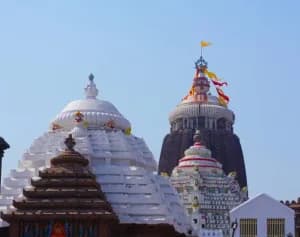
Jagannath Temple: Another major temple in Puri, dedicated to Lord Jagannath, it is a short distance from the Narasimha Temple.
Konark Sun Temple: Located about 35 km from Puri, the Sun Temple is a UNESCO World Heritage Site and an architectural marvel.
A visit to Narasimha Temple typically takes around 1 to 2 hours. The time depends on the number of visitors and the rituals being performed at the time. If you plan to participate in the rituals or take a guided tour, you may spend a bit more time exploring the temple complex.
The Narasimha Temple opens at 6:00 AM and closes at 9:00 PM. The temple remains open throughout the day, but there are specific hours for rituals and prayers. It is advisable to visit early in the morning or in the late evening to avoid crowds.