Guide
0.0(0)
Bhuntar Airport, Kullu Manali - KUU
Kullu
Not rated



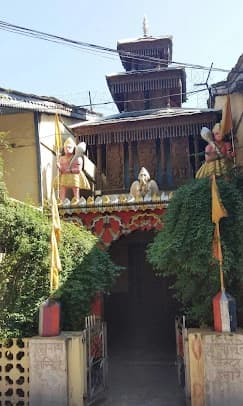
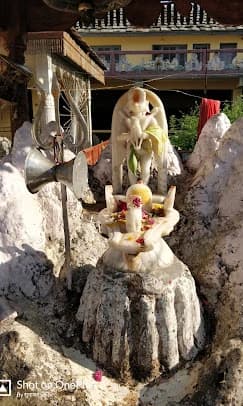
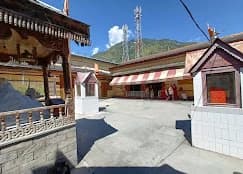
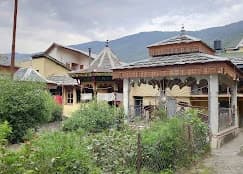
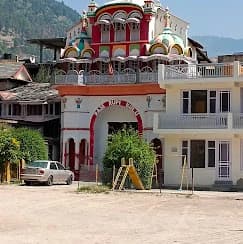
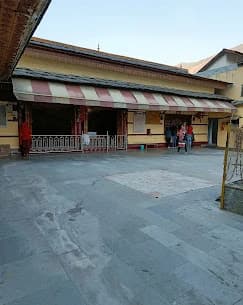
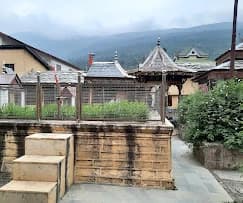
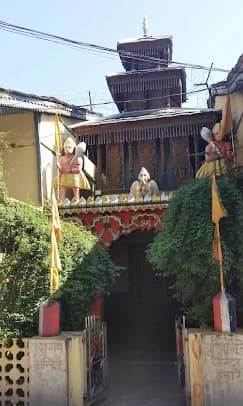
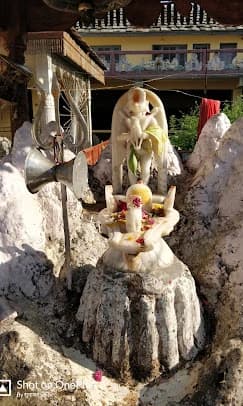
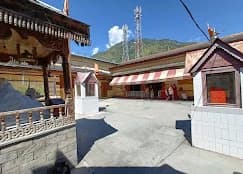
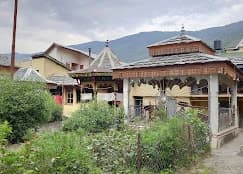
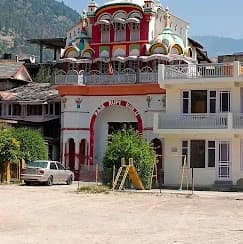
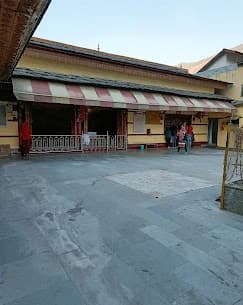
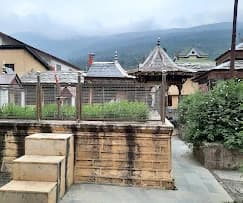
The Raghunath Temple is one of the most famous temples in Jammu, India. Located in the heart of Jammu city, this temple holds immense historical and cultural significance. Visitors come from across the world to experience its spiritual aura and architectural beauty. If you're planning to visit the Raghunath Temple, here's everything you need to know to make your trip enjoyable and comfortable.
The Raghunath Temple is dedicated to Lord Rama, an incarnation of Lord Vishnu. The temple complex consists of several shrines, each devoted to different deities, with the main shrine housing the idol of Lord Rama. The temple is famous for its stunning architecture and intricate carvings, showcasing a blend of North Indian and Mughal architectural styles. The temple is not just a place of worship but also an important part of Jammu’s cultural heritage.
The Raghunath Temple is located in the city center of Jammu. It is easily accessible from other parts of the city and is situated close to several tourist attractions. The Jammu Railway Station is approximately 2 kilometers away, and the Jammu Airport is about 8 kilometers from the temple. Other popular attractions like the Ranbireshwar Temple, Mubarak Mandi Palace, and Bahu Fort are also located within a few kilometers from Raghunath Temple.
The best time to visit the Raghunath Temple is during the cooler months, between October and March. During this time, the weather in Jammu is pleasant, making it ideal for sightseeing and temple visits. The temple can get crowded during festivals like Ram Navami and Dussehra, which are celebrated with great enthusiasm. If you prefer to avoid crowds, visiting during the off-peak months is a good idea.
When visiting Raghunath Temple, it’s important to dress modestly. Since it’s a place of worship, visitors should wear clothes that cover their shoulders and legs. Comfortable footwear is recommended as there may be a fair amount of walking involved. It is advisable to remove shoes before entering the temple complex as part of the temple’s ritual. Women can opt for salwar kameez or long skirts, and men can wear long pants or trousers. Avoid wearing short skirts or sleeveless tops.
The rituals at Raghunath Temple are deeply rooted in tradition and are followed with great reverence. Devotees visit the temple to seek blessings from Lord Rama and other deities housed in the temple. One of the common rituals is the offering of "prasad" (blessed food) and lighting oil lamps. Many visitors also participate in the "aarti" (ritual chanting) performed at various times throughout the day. Devotees are expected to bow down before the deity and offer their prayers with utmost sincerity. If you want to learn more about the temple's rituals, feel free to ask the temple priests for guidance.
When visiting the temple, it's a good idea to carry a few essential items:
Water Bottle: It can get quite warm in the summer, so carrying water is important.
Cash for Offerings: While there are no strict charges for entry, devotees often make offerings at the temple, so having some cash handy can be useful.
Identification: If you're traveling from outside the region, it’s a good idea to carry some form of identification, such as a passport or local ID.
Small Backpack: If you wish to carry a few personal items, a small backpack or purse would be appropriate.
There are a few items you should avoid bringing to the temple:
Large Bags: For security reasons, it’s best to avoid carrying large bags.
Electronics: While photography is allowed in some parts of the temple complex, avoid bringing expensive gadgets or other electronics.
Food Items: It’s not customary to bring food into the temple. However, you can enjoy the prasad provided by the temple.
Getting to Raghunath Temple is easy thanks to the availability of various public transport options. You can take a bus, a private taxi, or an auto-rickshaw to reach the temple. The Jammu Bus Stand is about 1 km from the temple, making it a convenient option for visitors traveling by bus. If you're traveling from outside Jammu, taxis and auto-rickshaws are available at the Jammu Railway Station and the Jammu Airport. For those who prefer private transport, car rentals are also available.
In addition to the Raghunath Temple, there are several other attractions nearby that you can visit to make the most of your trip. Some of these include:
Ranbireshwar Temple – Dedicated to Lord Shiva, this temple is only 2 km from Raghunath Temple and is famous for its collection of lingams (symbols of Shiva).
Mubarak Mandi Palace – A beautiful historic palace that blends Mughal and Rajasthani architecture, located about 3 km away.
Bahu Fort – A historical fort with beautiful gardens and views of the Tawi River, located about 5 km from the temple.
Raghunath Bazaar – A vibrant market area surrounding the temple, where visitors can shop for local handicrafts, jewelry, and religious items.
The average time needed to visit the Raghunath Temple is around 1 to 2 hours. This includes time for prayer, exploring the temple complex, and enjoying the surrounding area. If you plan to visit other nearby attractions, it would take more time depending on your interest and the distance between each site.
The temple is open daily from early morning until late evening. The general opening and closing timings are as follows:
Opening Time: 6:00 AM
Closing Time: 8:00 PM
However, the temple timings may vary on special occasions or during festivals. It’s a good idea to check the temple’s timings on the day of your visit, especially during peak seasons.
While there are no large restaurants or eateries inside the temple complex, you will find small food stalls offering simple vegetarian food and snacks. Devotees can enjoy prasad, which is often distributed during prayer sessions. For a wider variety of meals, you can head to nearby restaurants and food markets, particularly around the Raghunath Bazaar area. Local delicacies like Rajma, Puri, and Chole Bhature are quite popular in Jammu.